Monster Crown: Sin Eater Review — No Need to Atone
Release Date: April 30th, 2026
Developers: Studio Aurum
Platforms: PC (Reviewed), Nintendo Switch, Xbox Series X|S, PlayStation 5
Price: $24.99
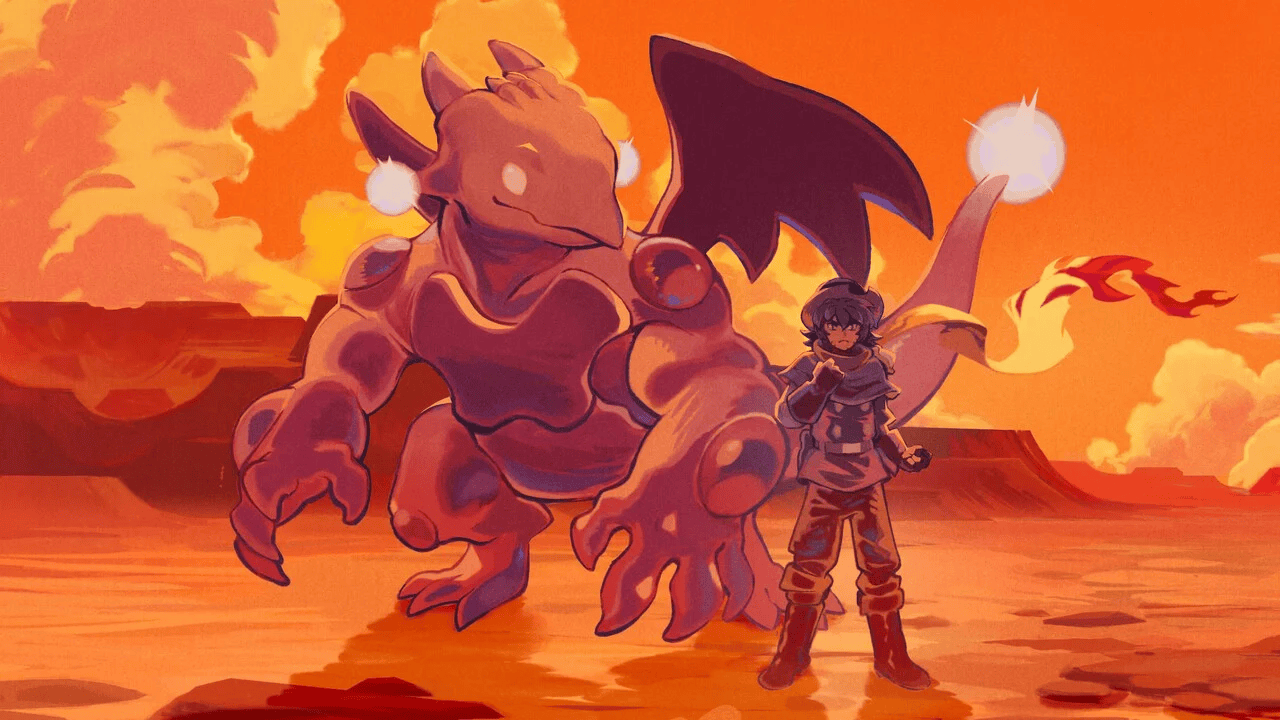
Monster Crown: Sin Eater on Nintendo Switch is, at its core, a game about lineage—mechanical lineage, narrative lineage, and the strange, sometimes unsettling legacy of the first Monster Crown. The original title carved out a niche as a darker, breeding‑focused alternative to classic monster‑taming RPGs, but Sin Eater feels like the moment that niche finally blossoms into something confident, cohesive, and emotionally resonant. It’s still admittedly scrappy, though proudly indie, but now far more deliberate in how it plays, how it looks, and how it wants you to feel.
Evolving like a good monster
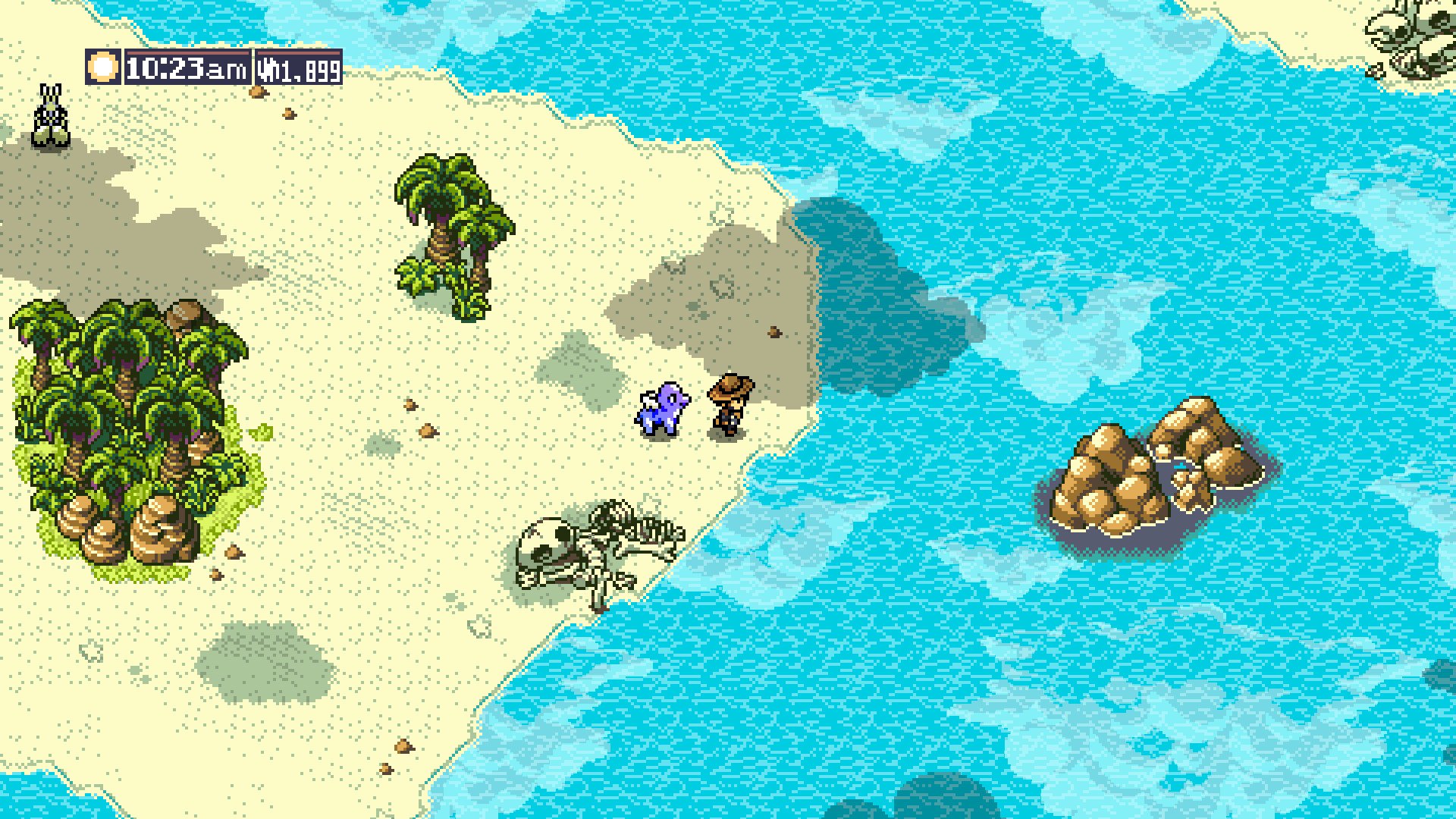
The biggest shift is clarity. The first Monster Crown had ambition but often felt like it was wrestling with its own systems—breeding depth overshadowing pacing, narrative beats buried under a bunch of mechanical nonsense and complexity, and a world that felt intriguing but unfortunately severely underdeveloped. Sin Eater, on the other hand, tightens nearly every bolt. The mechanics are more gracefully introduced this time around, and, despite its density, it still proudly feels old‑school, but it does so with respect for your time and attention. Thematically, Sin Eater leans harder into moral ambiguity and personal consequences, too. The first game, by comparison, would occasionally flirt with darkness, but Sin Eater absolutely commits this time around, with much sharper writing, higher emotional impact, and a world that has enough depth that its mythology feels much more confidently woven into the gameplay rather than sprinkled on for artificial guidance. It’s not grim for the sake of being grim—it’s thoughtful, reflective, and occasionally tender.
A deeper system growing alongside you
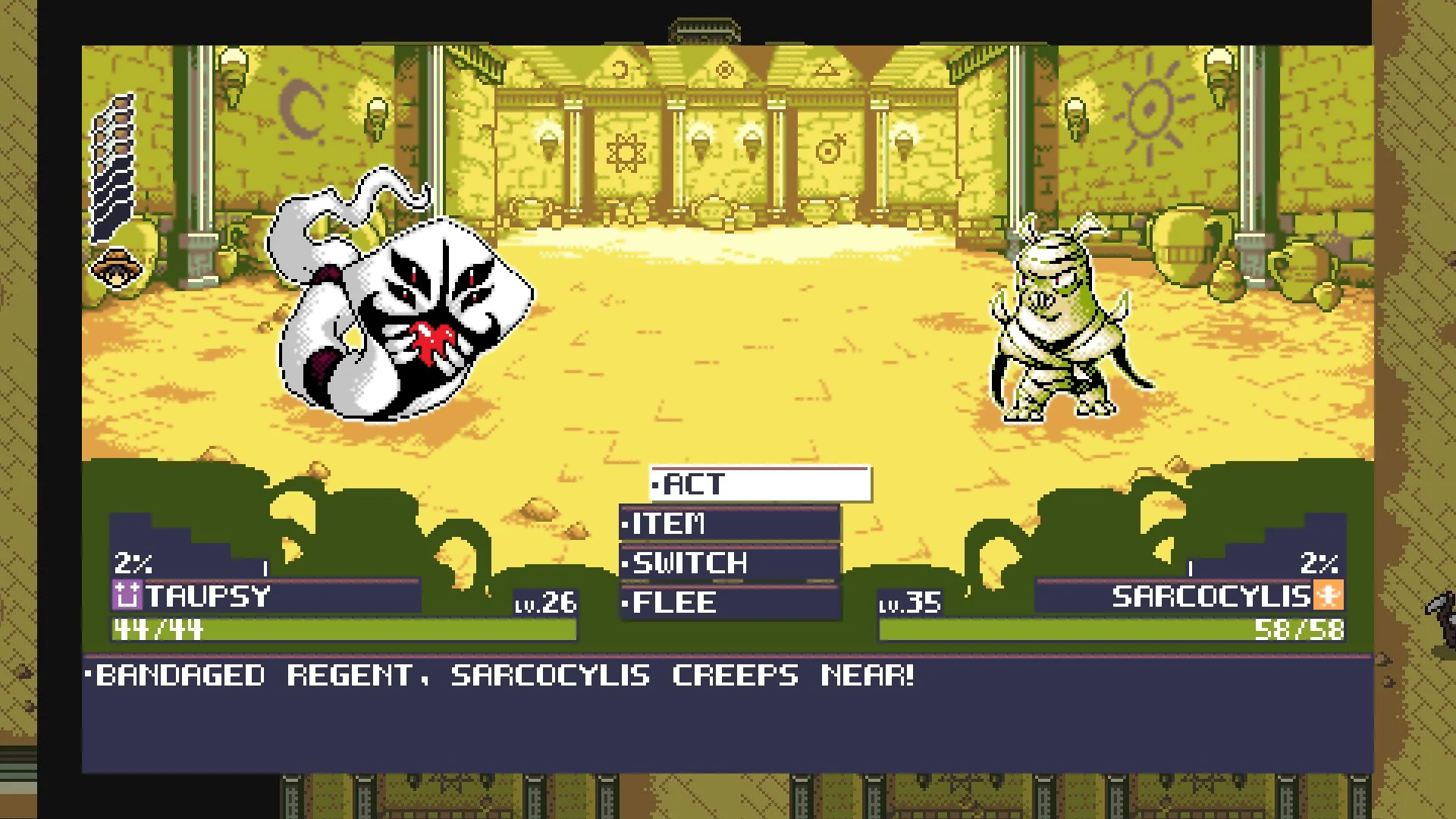
Breeding remains the heart of Monster Crown, but Sin Eater finally gives it the structure it always needed, which caused it to be somewhat of a detriment to its design in its predecessor: The inheritance system is clearer, fusion results are more predictable, and the UI is far more readable. You still get that intoxicating sense of experimentation—mixing traits, pushing bloodlines, discovering strange new forms—but now it feels like a system designed for players rather than one players must decipher.
Combat is also MUCH snappier this time around, with better feedback and more meaningful decision‑making throughout. The elemental interactions are easier to track, and the game does a better job of teaching you how to build a team that complements your playstyle rather than feeling like a sink-or-swim scenario. It’s still challenging, still occasionally punishing, but now the difficulty feels intentional rather than uneven and sporadic. If anything doesn’t fully land, it’s that some late‑game encounters can feel a bit grind‑heavy. The game’s pacing is vastly improved, but certain stretches still ask for more repetition than necessary. It’s not a deal‑breaker—just a reminder that Monster Crown remains proudly retro in its design philosophy for better or for worse.
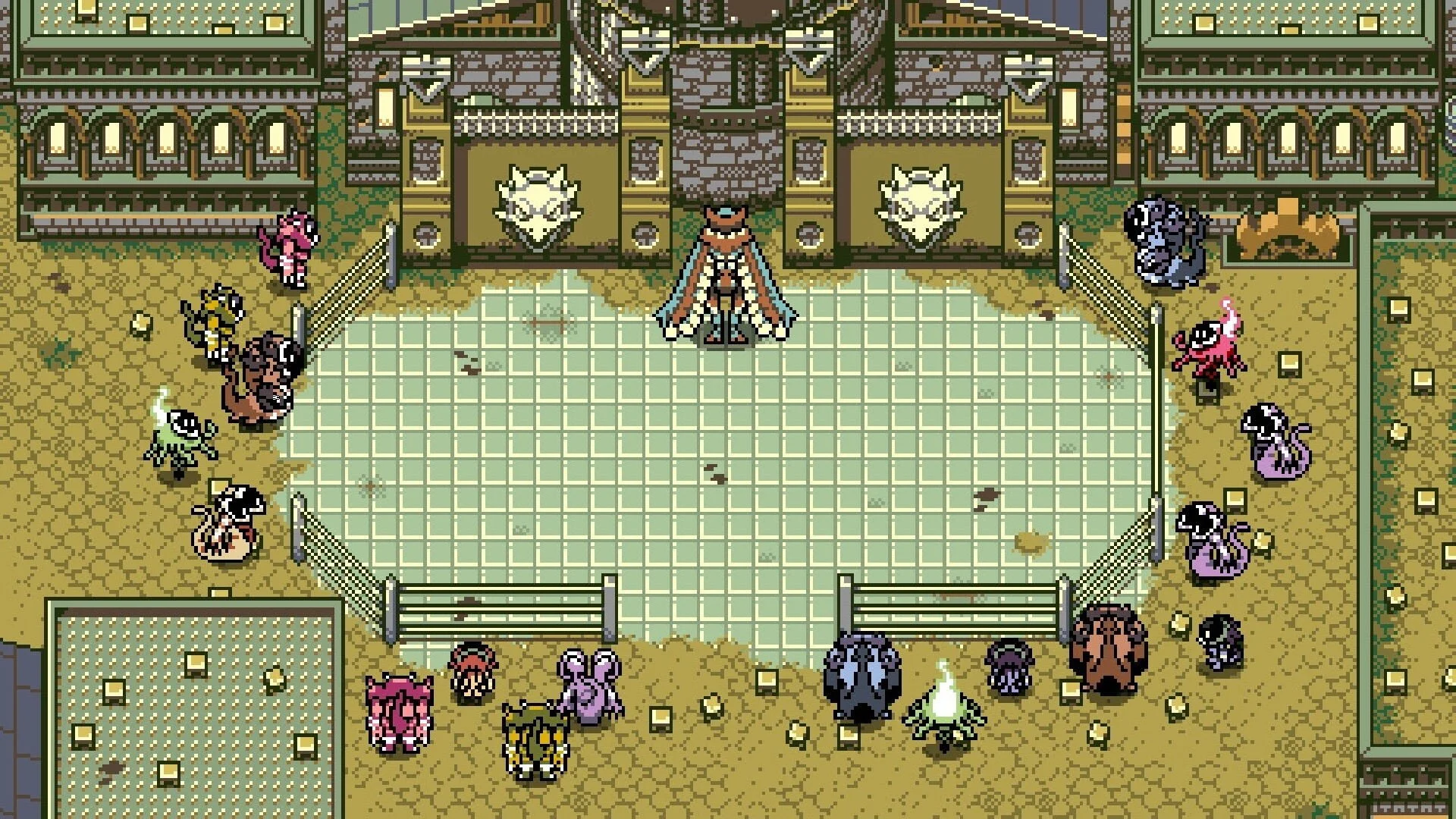
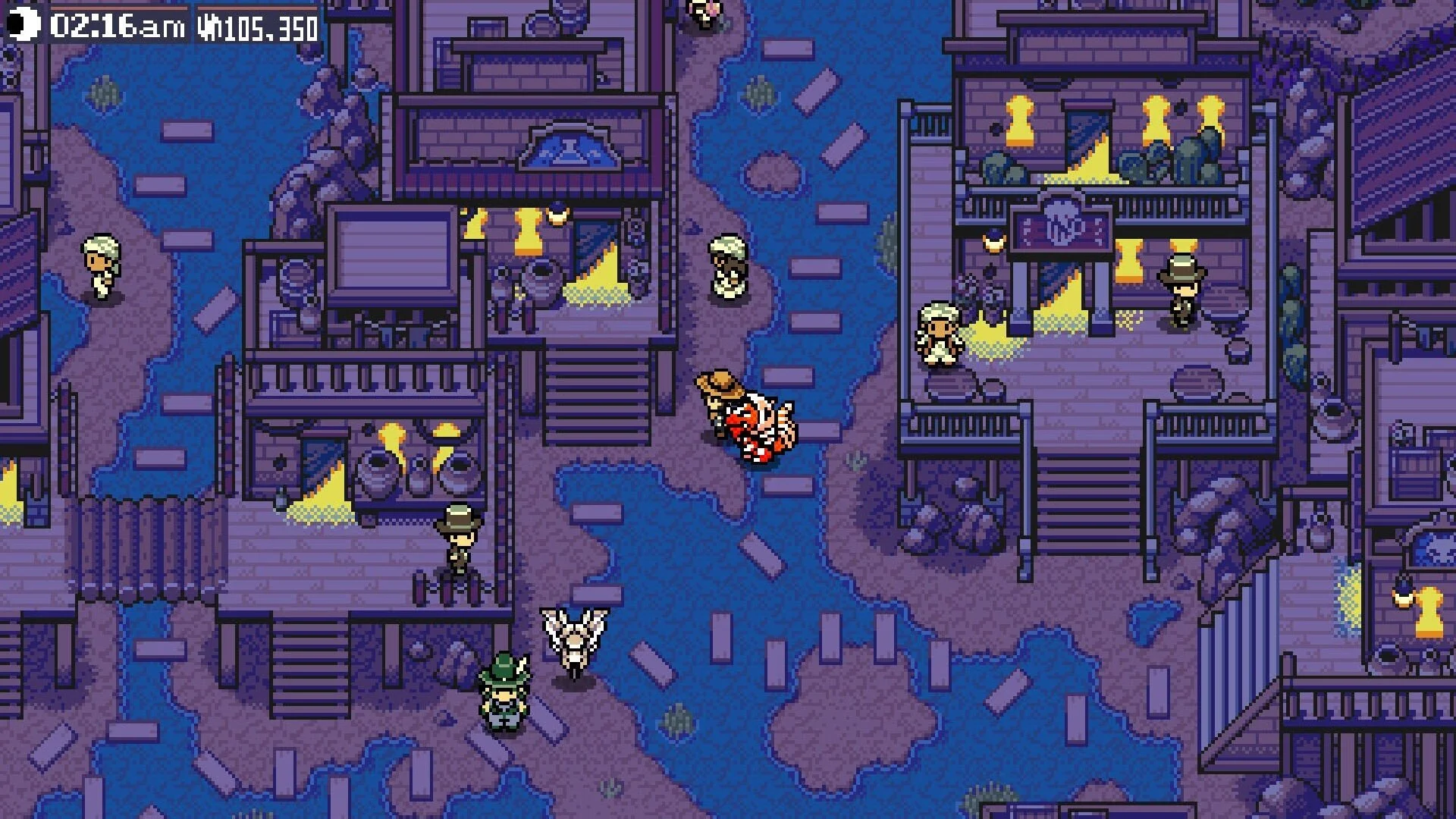
Sin Eater’s pixel art is a noticeable step up from the first game. The sprites are more expressive, the environments richer, and the animations smoother. There’s a newfound confidence in the visual direction—still nostalgic, still gritty, but now more cohesive and polished. The monster designs remain wonderfully weird, but it’s one of my favorite aspects of it, just like its predecessor. Some monsters are unsettling, some are adorable, while others are outright bizarre, but all of them feel like they belong to the same strange biome. It certainly helps that the improved shading and color work give the world a more grounded, moody tone that fits the narrative’s darker themes, too.
A story that, despite its sins, doesn’t need to atone
Sin Eater’s narrative is where the game truly distinguishes itself, however. It’s not just darker but more introspective this time around, with its writing exploring themes of corruption, legacy, and the weight of choices, but never in a way that feels overwrought. It uses its monster‑taming framework to explore how power shapes people, how the bonds change us, and how the world responds to the monsters we create. The pacing is far, far stronger, with fewer abrupt tonal shifts and more meaningful character moments, feeling overall a lot more immersive since the first one didn’t click in the same way due to its overreliance on being nostalgic for games of yesteryear to carry its weight. The side characters thankfully this time also feel more alive, the world’s history is much more tangible, and the overarching plot is more cohesive, so you ultimately don’t feel like you’re running around in circles compared to its predecessor. Make no mistake, however: It’s still an indie narrative—compact, occasionally rough around the edges—but it’s delivered with sincerity and surprising emotional depth that makes Sin Eater a standout sequel, and one that fixes most of its previous faults.
This story couldn’t be told in the same fashion, though, if it wasn’t for the soundtrack on top of it that helps lean it into atmospheric tension, using moody melodies and sparse instrumentation to reinforce the game’s tone. Music was such an inherent part of older titles that I, unfortunately, feel like it has become somewhat of an afterthought in favor of overly stimulating design, and Sin Eater does a great job of putting a lot of emphasis on it to make it feel part of its core DNA. It’s not bombastic or flashy by any means, but instead, it’s intimate, eerie, and quietly memorable, so the occasional track will end up stuck in your head. The battle themes have more punch, the overworld tracks more texture, and the emotional beats more musical weight. It’s all woven in so meticulously that overall Sin Eater feels like the version of Monster Crown the developers always wanted to make. It’s still niche, though, and proudly unconventional, but now polished enough to stand confidently among modern indie RPGs.


PROS:
Breeding, combat, and progression are clearer, deeper, and more rewarding, with a more focused and emotionally resonant story with meaningful themes.
Sharper sprites, richer environments, and more cohesive visual direction.
A more streamlined experience compared to the first game, which suffered from huge pacing issues and arbitrary difficulty spikes.
CONS:
Some late‑game stretches still require repetitive battles that will eat away time.
Certain old‑school design choices may feel rigid to players that aren’t accustomed to older gameboy-esque titles.
While the game is improved overall, the UI and overall presentation still have moments of clutter or unclear feedback.
A huge thank you to Studio Aurum and Red Art Games for providing us a copy of Monster Crown: Sin Eater for the purposes of this review!