

Stygian: Reign of the Old Ones Review
The experience of playing Stygian: Reign of the Old Ones is frustrating in the best way, just like any exploration of a Lovecraftian world should be. The turn-based RPG from Cultic Games is set the fallen city of Arkham and is heavily inspired by H.P. Lovecraft’s short stories about fish people and tentacled atrocities.

Release Date: September 26 2019
Platform: PC/Mac
Developer: Cultic Games
Price: $29.99
The experience of playing Stygian: Reign of the Old Ones is frustrating in the best way, just like any exploration of a Lovecraftian world should be. The turn-based RPG from Cultic Games is set the fallen city of Arkham and is heavily inspired by H.P. Lovecraft’s short stories about fish people and tentacled atrocities.

Stygian’s main character journeys through Arkham which has somehow been pulled to an alternate realm of reality, searching desperately for a way out of this literal hellhole. As you play you will encounter several unsavoury characters who will offer to help you on your quest, either through sharing your goals or through being offered an ongoing supply of cigarettes (the currency of the world). Wandering though the dark setting, it almost feels as if you have become a character in the original stories.
One of the things I enjoyed the most while exploring Arkham was the amount of interaction I was forced to have with both the city and its residents. Frequently in Stygian it wasn’t clear where to find my next clue so my character was forced to ask around, with the interactions varying wildly based on the choices made I had made in character creation. Despite the city’s somewhat claustrophobic size, I still felt lost while trying to work out what my next step should be, with my journal only offering vague clues. As someone very familiar with Lovecraft’s work, I felt that invoked the confusion and dread so often felt by his main characters in a very effective way.

Unfortunately, some of the other ways that Stygian invokes that confusion are slightly more problematic and frustrating. At the time of writing this review, Stygian still suffers from quite a few bugs, including a combat glitch with brings the game to a grinding halt. While the developers have announced they are working on a patch to fix these bugs, right now they seem to be exceptionally common in both my and other player’s experiences.
Another problematic element of the game is just how closely it sticks to H.P. Lovecraft’s original short stories. As Lovecraft was writing in the early 19th century, his stories feature many out-dated points of view, which most modern adaptations have chosen to not include. On the other hand, Stygian features quite a few problematic ideas about race from Lovecraft’s work, seemingly without any reason. The game’s dialogue also quite frequently assumes that the player character is male, despite offering a choice of genders during character creation. Whether these things were included by accident or design, both these elements made me feel quite alienated from a game I would have otherwise enjoyed.

But when these problematic elements weren’t at the forefront, it was hard for me not to enjoy playing Stygian. The world of Arkham is realised through some unique 2D art and despite not having voice acting, it contains some of the best sound design I’ve encountered in recent years. I found the heavy footfalls, smooth jazz and unearthly noises all combined to create the soundscape of a city that was both unsettling and familiar.
Overall, I found Stygian: Reign of the Old Ones had the potential to be a pretty great experience for someone who, like myself, enjoys the world that H.P. Lovecraft created. Unfortunately, at the time of publishing this article, that experience is severely marred by bugs and some rather problematic writing choices. I would also suspect that those unfamiliar with Cthulhu and his tentacled brethren would have a hard time becoming as invested in the game as I was. In the end, this game has potential for those who love Lovecraft’s work but not really anyone else.

Pros
Interesting story world filled with chaos and confusion
Excellent sound design
A story that feels like it could have actually been written by H.P. Lovecraft
Cons
Still contains quite a few glitches at the time of writing this review
Contains content players may find offensive
Not a good starting point for those unfamiliar with the Cthulhu mythos
Assault Spy Review
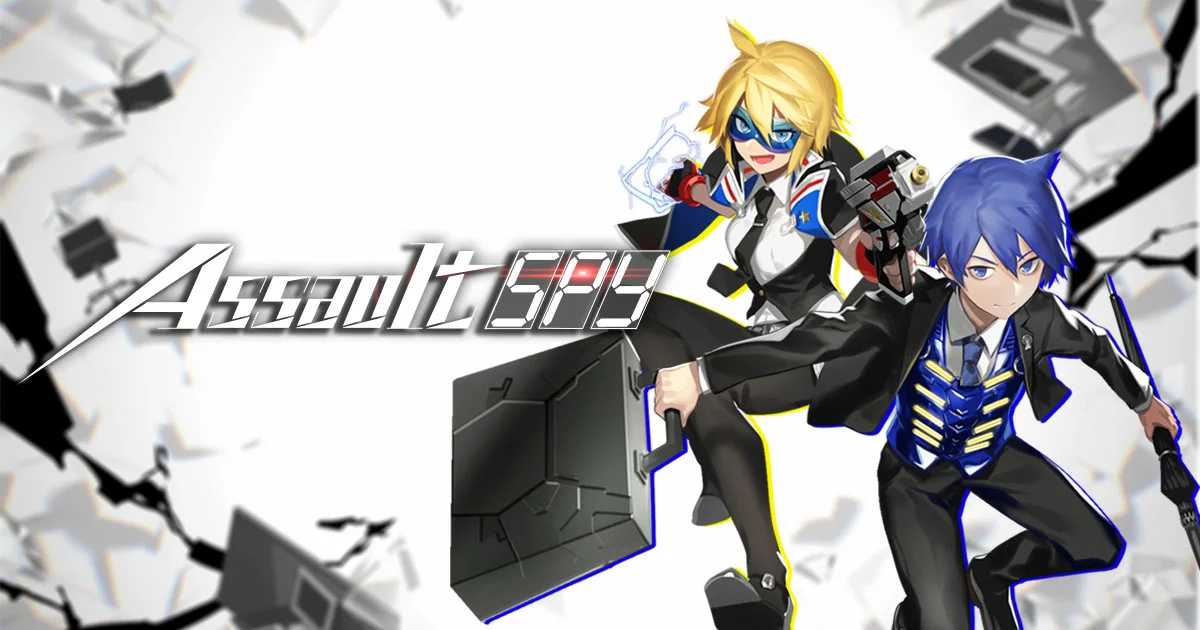
Wazen’s Assault Spy is a game where the player controls a man with a briefcase who is tormented by his junior co-worker, and spends his time being rated on a A to D system for his work. On paper it sounds like the monotonous every day of a office workers life, with a side helping of high school. In reality, it’s anything but.
Release Date: May 8, 2018 (Early Access)
Platform: PC
Developer: Wazen
Price: $24.99
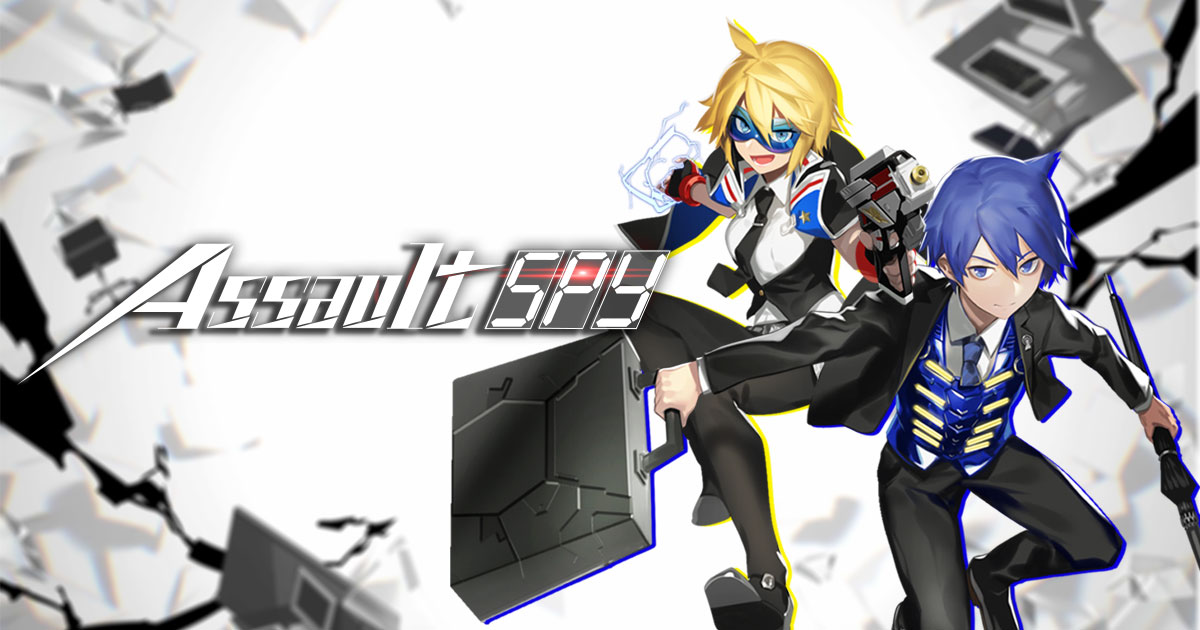
Wazen’s Assault Spy is a game where the player controls a man with a briefcase who is tormented by his junior co-worker, and spends his time being rated on an A to D system for his work. On paper it sounds like the monotonous every day of a office workers life, with a side helping of high school. In reality, it’s anything but.

Assault Spy is actually a fast-paced beat ‘em up where you play as Asaru, a corporate spy who spends his time fighting robots with a metallic briefcase and shuriken-style business cards (secondary protagonist, Amelia is yet to be added in story mode at the time of writing). Early in the game Asaru and his sugar-pop, childlike partner, Kanoko, are sent to investigate a robotics company and the craziness only ramps up from there. One of my favourite fights in the game involves fighting rhumbas wielding chainsaws.
Although the story is fun, the strongest part of Assault Spy is definitely its combat, which was somewhat surprising for me as when it first arrived in early access the combat felt glitchy and unresponsive. Not anymore. The combat is now some of the finest I’ve had the chance to play this year. It feels great to zip around the battlefield and use various combos to smash robots in different ways. It’s forgiving of button-mashing, but also offers a level of difficulty to master with different grades and experience points awarded for the player’s finesse in fights.

Unfortunately, there are still some problems with Assault Spy, one of which made it very difficult to continue through the story missions. The graphics run much better than when the game was initially released, but the style of them is still quite odd and not particularly visually appealing. I wouldn’t really recommend this game for those wanting to beat their way through beautiful landscapes. There are also a few new glitches in the game, which have appeared since the games release into early access, the worst of which is an occasional inability to interact with objects, which can be very frustrating as they are often needed to further the story. In my experience, this will often go away after a few minutes but it has occasionally needed me to reload the level which is quite annoying.

Despite these annoyances, Assault Spy has been continuing to improve at such a pace that it’s unlikely any glitches will stay in the game for too long, with the team at Wazen still frequently updating it. Overall, it’s a game with so much potential that it is well worth a buy in its current state, and will likely become a must-buy for fans of indie beat ‘em ups upon its full release. Like Asaru’s hyper sidekick, Assault Spy is simply having too much fun to be ignored.

Pros
Fun, responsive and fast combat
Whimsical and silly story
Cons
Still contains a couple of quite bad glitches (at the time of writing)
Not very visually appealing

Cultist Simulator Review
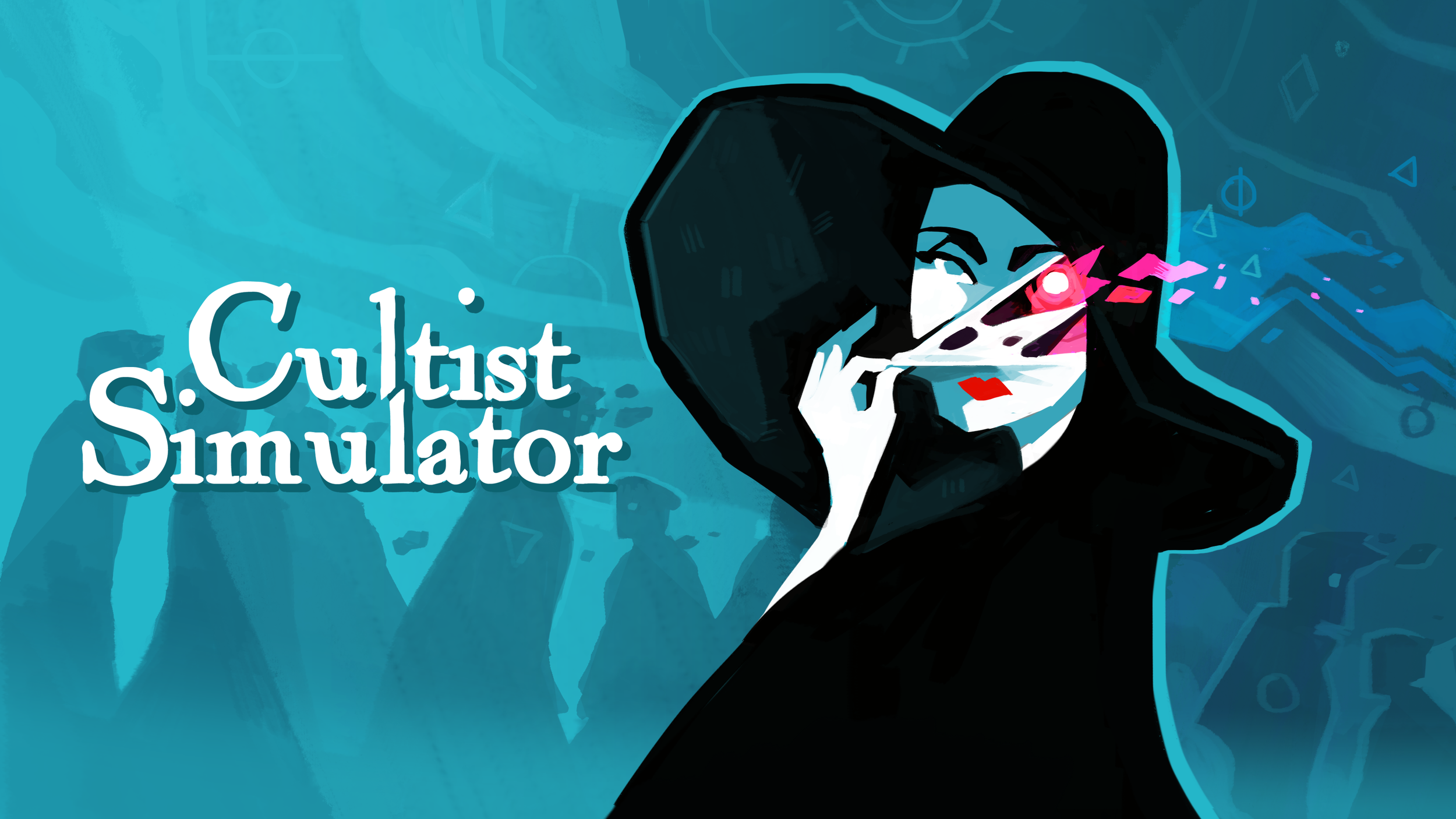
Cultist Simulator has its main character creating a cult in the 1920s by placing cards in action spaces, often on some sort of timer. Players must negotiate the limited options given by these cards while deciding what to base their cult around, who to recruit and what rituals to perform. Not only that, the main character is constantly trying to fend off madness, starvation and the Ministry of Suppression. Running a cult definitely isn’t as easy as it seems.
Release Date: May 31 2018
Platform: PC/Mac
Developer: Weather Factory
Price: $19.99
There are few game writers whose work I enjoy as much as Alexis Kennedy’s. I’ve been playing his games since I discovered the text-based browser RPG Fallen London just after high school. It isn’t surprising then that I was incredibly excited to review his latest game, Cultist Simulator. The prospect of exploring an original world of his outside the Fallen London universe where his previous work was set was particularly thrilling. But did Cultist Simulator live up to my incredibly high expectations?
The answer is more complex than I’d like it to be.

Cultist Simulator has its main character creating a cult in the 1920s by placing cards in action spaces, often on some sort of timer. Players must negotiate the limited options given by these cards while deciding what to base their cult around, who to recruit and what rituals to perform. Not only that, the main character is constantly trying to fend off madness, starvation and the Ministry of Suppression. Running a cult definitely isn’t as easy as it seems.
Making matters more difficult is the game’s lack of any form of tutorial. While this does add an interesting puzzle aspect to Cultist Simulator, I mostly found it annoying. In fact, as I struggled to work out how not to die in the first couple of hours of the game, I felt more like I was doing a timed sudoku than playing a video game. The next few hours were spent trying different ways to gather the resources to advance the story, made all the more difficult by the fact that often it isn’t immediately obvious which action led to the positive or negative effects I got. For those first hours, I was so busy trying to work out how to actually play Cultist Simulator that I barely had time to engage with the story at all.
After about five hours of gameplay, and a much-needed break from sheer frustration, I did start to get the hang of the game. There were still quite a few puzzles to solve, but I finally had enough mental space to be able to start reading the story accompanying the cards. It was everything I had hoped it would be. As in his previous efforts, Kennedy’s writing continues to be highly thematic and evocative. His audience can’t help feeling the rush of adrenaline as one of their cultist’s brings down a hunter or a prickle of fear as their opium-based dreams become nightmares. Each location explored has its own distinct feeling from the proper-but-stuffy auction house to the surreal yet enticing Ecdysis Club to the moonlit streets of the city. It’s somewhat unfortunate that all of this amazing writing very much takes a backseat to the puzzle of how to play.

In fact, the puzzle at the core of Cultist Simulator seems to push every other aspect of the game aside, which is a real shame as so much of it is brilliant. The art is beautiful and filled with symbolism, but I didn’t get the chance to fully appreciate it as my brain struggled to unlock the next bit of the game. The score was interesting, but I only really listened to it while the game paused. I spent so much time trying to actually play the game that I barely got the chance to enjoy it.
The joy of Cultist Simulator seems to be forging your own path forward entirely yourself and I do have to admit I did feel a huge sense of satisfaction every time I managed to work out a new mechanic. But the focus being so heavily on this meant that it was extremely difficult to appreciate any other part of the game. I often found myself distracted from the story and world by having to concentrate so hard on the puzzle. As a result, I would recommend Cultist Simulator for fans of puzzles or Alexis Kennedy’s other work, but it’s definitely not for those who, like me, play games to relax. It’s a shame because I would really like to see my cult develop, but for the moment, it’s just too much work.

Pros
- Fascinating story with thematic writing
- Symbolic and interesting art style
Cons:
- Often highly confusing due to lack of tutorial

Past Cure Review
Past Cure’s story revolves around Ian, a former secret agent who was kidnapped by an unknown organisation for three years. Not only does he have no memory of this time, but he now suffers from both PTSD and painful psychic abilities. His brother has helped him get back on his feet as much as possible, and now with his help, Ian is going after the only link to his missing time, a mysterious drug ring. On paper it sounds like the plot of one of the most interesting games this year, so where did Past Cure go so far wrong?

Release Date: Feb 23 2018
Platform: PC
Developer: Phantom 8 Studio
Price: $29.99
There are many problems that I can put up with for games that have an interesting story, bad graphics and minor technical glitches included. Sometimes though there’s just too much wrong with a game to make it feel worth finding out what’s around the next corner. Unfortunately, that’s definitely the case with recent release, Past Cure.
Past Cure’s story revolves around Ian, a former secret agent who was kidnapped by an unknown organisation for three years. Not only does he have no memory of this time, but he now suffers from both PTSD and painful psychic abilities. His brother has helped him get back on his feet as much as possible, and now with his help, Ian is going after the only link to his missing time, a mysterious drug ring. On paper it sounds like the plot of one of the most interesting games this year, so where did Past Cure go so far wrong?

I suspect a big part of it was overreaching what was possible for such a small indie developer. Past Cure combines a lot of different mechanical ideas; there’s stealth sections, there’s shooting sections, there’s puzzles that need to be solved with your psychic abilities and there’s areas that combine all three. As a result of this lack of focus, individual areas either feel monotonous or have glitches that make them incredibly difficult to play. The game has also tried to look relatively photo-realistic and ended up looking like a game made five years ago, both in terms of graphics and design.
One of the stranger issues I had with Past Cure was constantly getting lost as many of the areas I was in felt like they were a copy of one room recreated over and over again with minimal changes to create a larger environment. In most of the areas I explored, it all felt so similar that as soon as Ian died and respawned I would have almost no idea where I was until an enemy appeared to give me an idea of which section I was replaying. It’s particularly disappointing as the other two areas, particularly the beach house where Ian lives, are quite beautiful and very interesting to look around. The sound mix is pretty bad as well. The music is often so loud that it was impossible to hear any of the dialogue and some of the dialogue from the side characters is weirdly stilted as if their performance was cobbled together from different takes. However, I could easily overlook both of these issues while chasing such an interesting plot, but I couldn’t ignore some of the big problems with gameplay.

There are many issues with Past Cure’s gameplay, it often feels tedious and convoluted, but the problems I encountered with the stealth mechanic were the worst. I would be sneaking through the parking garage level, only to be spotted when standing directly behind the only enemy with no idea why they could see me. There is no indication at all of when the enemies can see you, until they start running towards you or open fire. Not only that, using the astral body mechanic you can see enemies’ cones of sight, but frequently they wouldn’t be pointing in the same direction as the character model’s eyes, often coming out of the side or back of their head after the character moved. This made the stealth only section literally impossible to get through for me, and after many attempts, trying to push through it for the story no longer felt worth it.
The sad part of it all is maybe with a lot more time, or with a lot more focus, Past Cure could have been a really good game. It definitely has a story I would have liked to see more of, but with so much wrong with the look, sound and gameplay, I found myself constantly pulled out of the game’s world. In the end, no matter how good the story, other elements of the game have to be there to back it up, and without them, Past Cure just isn’t worth playing.

Pros
Interesting story
Cons
Almost unplayable stealth mechanic
Repetitive, copy-and-paste environments
Bad sound quality and mix
Thank you to Phantom 8 Studio for providing us with a review copy of Past Cure. The screenshots in this review have been provided for the reviewer and as such are not necessarily representative of her experience with this game.

Moonlighter Review
Created by Spanish indie developers, Digital Sun, Moonlighter is a roguelite with one very important twist: your character is a shopkeeper, not a hero. Will’s goal might be to adventure through the final, mysterious dungeon near the village, but in the meantime he has to keep his family’s shop open. Potions, swords and armour cost money after all! That’s about all the story Moonlighter has but that’s really all it needs. The game is part roguelite dungeon crawl and part shop management simulator, and strangely enough those the combination of the two genres creates a near-perfect balance.

Release Date: May 29, 2018
Platform(s): PC (reviewed), PS4 (reviewed), Xbox One
Developer: Digital Sun
Price: $19.99
Morgan (reviewing on PC):
I don’t know what it is about pixel art games that makes them so addictive to me, but new release Moonlighter is certainly no exception. In fact, Moonlighter might be one of the most addictive games I’ve played in a very long time. As soon as I had I left one of the dungeons I wanted to sell my loot in my shop, as soon as I sold my loot I wanted to go back into the dungeons to find more expensive loot to sell. It was a never-ending cycle of fun!
Created by Spanish indie developers, Digital Sun, Moonlighter is a roguelite with one very important twist: your character is a shopkeeper, not a hero. Will’s goal might be to adventure through the final, mysterious dungeon near the village, but in the meantime he has to keep his family’s shop open. Potions, swords and armour cost money after all! That’s about all the story Moonlighter has but that’s really all it needs. The game is part roguelite dungeon crawl and part shop management simulator, and strangely enough those the combination of the two genres creates a near-perfect balance.

A main part of the game is exploring the local dungeons, hoping monsters drop loot that will give you a good price. This area is where the majority of the combat is, and for me at least, where the majority of the challenge of the game was as well. The combat itself was a lot of fun, and despite being pretty simple, changed a lot based on the weapons used. I found that different weapons were more suited to different fights though, which adds an extra layer of challenge as I tried to decide which weapons to bring on each raid. I also found the dungeons more frustrating than shopkeeping, particularly as some restrictions on fast travel meant that I was often repeating the first level of the dungeon far more than I felt necessary. It’s a very small nitpick, but it lead me to feel frustrated with some of the dungeon segments as the game went on, despite still mostly enjoying them.
The other half of the game is the shopkeeping which mostly revolves around pricing items with no idea of their true value, as well as defending your store from thieves. I absolutely loved this part of the game as it showcased some really clever bits of design. I loved the idea of the sales notebook in particular which gives you hints to each item’s true value by recording customers’ reactions to its price. There’s also a great bit of visual design in the thieves as each one enters your store wearing a scarf over his face, which gives you a hint to keep an eye on that customer. The shop, and the town in general are a triumph of visual design.

Without a doubt, Moonlighter is one of the most visually beautiful pixel art games in a very long time. The artists at Digital Sun have included much more detail than I would usually expect in similar looking games of the current generation, especially in the town. The soundtrack is great as well. The shop music especially is incredibly catchy, and has become a favourite to hum around my house in the last few days. For me at least, there’s very little to criticise.
Moonlighter is one of the most fun games I’ve played in a while. It doesn’t have the most fascinating story, but with such fun game mechanics, such pretty visuals and such a great idea, it doesn’t need to. It’s a game I can see myself going back to again and again over the years. In fact, I can’t wait for my next sale/adventure.

Ryan (reviewing on PS4):
The developers were kind enough to drop two copies of Moonlighter to The Gamers Lounge, specifically asking for us to take a look at both (Morgan's being PC, whilst mine was PS4). The game is releasing on all systems, but the Switch version is coming at a later date. While I thoroughly enjoyed my time with Moonlighter, I'd have loved to had the Switch edition, as it really fits the theme and feel of the game: exploring in the wild and returning home. The short-burst gameplay would work well in the portable scene. In discussion, we haven't seen a lot different in play styles. The controller setup is logical and intuitive.
Overall, I agree with Morgan's feelings on core gameplay. The dungeons (at least) start out a bit daunting, while the shop is a whole new mechanic. I've had a few times where I wish my hand was held more in both areas, like the sword enemy in the dungeon who hits you immediately after you hit him, unless you use the shield, or how you literally have no idea of how much an item is worth until you sell a few, haggling back and forth like the Price is Right. In both instances, it's perfectly feasable to drop you in like that, but I wish the sales notebook had a bit of information already in it, given this shop has been handed down for generations.

Speaking of, I do agree I haven't seen a depth of story, which saddened me after seeing the cinematic trailer that advertised the game. It's more of a set-up to the game than a depiction of what happens during. The story also mentions a myriad of adventurers who come through the town, and you see them in your shop, but I wish they had a bit of a tale to tell themselves. The Monkey Island/Zelda motif is really beautiful. Throughout the game, as well as the trailer I watched, it's a joy to see such well-crafted pixel art. I will add a disclaimer that I have not gotten to the end of the game, so I'm hoping as time goes on that trailer gets played out in flashbacks, or we see the growth of the hero on his journey to open the Fifth Gate.
My section shows a lot of criticism simply because Morgan took care of the synopsis and lauded it plenty. I agree with her views, and feel that Moonlighter is a fun game worth a purchase, especially at its budget $19.99 price. With a progressive roguelite mixed into a business management game, Moonlighter helps us see another side of the traditional RPG tale, and what it takes to be one of the random citizens of a town your average adventurer may barrel through, only caring if he can stock up on potions. Moonlighter helps you see what it takes to stock the shelves.

Pros-
- Very, very pretty game
- Fun combat
- Interesting shopkeeping mechanic
Cons
- No real story
- Explanations of both shop and combat mechanics can be confusing and/or not detailed enough to be helpful

Omensight Review
Omensight is a game that has the player talking to animals, offering amber to the Tree of Life and meditating. It would be pretty chill, except for the giant serpent slithering forth from the Void trying to end the world. In reality, Omensight’s world is filled to the brim with betrayal and political intrigue where your character, the Harbinger, fights her way through active battlefields and prison riots alike. Basically, it’s a game that contains pretty much everything I love about the medium.

Release Date: May 15, 2018
Platform: PC
Developer: Spearhead Games
Price: $19.99
Omensight is a game that has the player talking to animals, offering amber to the Tree of Life and meditating. It would be pretty chill, except for the giant serpent slithering forth from the Void trying to end the world. In reality, Omensight’s world is filled to the brim with betrayal and political intrigue where your character, the Harbinger, fights her way through active battlefields and prison riots alike. Basically, it’s a game that contains pretty much everything I love about the medium.

As someone who delights in games that tell fantastical stories, I found Omensight an absolute joy to play. At the beginning of the game, your character is plucked from the jaws of the apocalypse at the last second and given a day to save the world. This day can be spent with different characters on both sides of the final battle for the world of Uralia. When the end inevitably comes at midnight, your character is once again saved and given the same day to live over again, this time with knowledge of the previous day’s exploits. The pattern then repeats itself again and again. It’s a concept that has been seen before, but Groundhog Day has never been this dark or complex.
Omensight was developed in a mere eighteen months by indie developers Spearhead Games, a truly incredible achievement given its depth. The story is not only brilliant but contains branching choices; it is always your choice who you spend the day with and how you react to the characters you encounter. Each character is also fully voiced, and has their own backstory to be uncovered along the way as you discover memories by exploring off the beaten track. The graphics are beautiful too. An original and stunning world has been created in Uralia, even if it sometimes it feels like it would be nice to see more of it.

While Omensight is a brilliant game, it isn’t without its flaws. About halfway through the game, I began to find myself slightly frustrated by the repetition of the scenery. Even though the Harbinger’s companion will change depending on the choices made that day, too often I ended up running through the same bits of dungeon again and again to get new information, particularly towards the endgame. Although they were always framed by different stories, eventually running through similar bits of levels and fighting similar battles, even if it was against different enemies, began to feel a bit stale.
Despite that, for the most part, the gameplay is one of my favourite parts about the game, which makes its repetitive nature much easier to swallow. I love combat that is easy to learn but hard to master, and Omensight has it in spades. It introduces compulsory skills slowly at a basic level, with the chance to improve them based on player choice. This means I could always upgrade what I was using, but was able to change up my combat if I got bored. Different abilities (including the abilities of your companions) can always be combined in a variety of ways, so I was constantly learning new ways to improve my fighting style throughout the game. The platforming is heaps of fun as well, and if you don’t like jumping across broken bridges, particular companions will give you a way out.

Omensight is one of those few games that I’d recommend for most people as there’s not much it gets wrong. It’s heaps of fun to play, beautiful to look at and has a wonderfully dark and interesting story. I would only avoid it if you have a tendency to get bored playing through similar levels, and even then, the mastering the combat and uncovering more of the story might be enough to get you through what would otherwise seem tedious. Ultimately Omensight, despite being quite a sinister game at times, has a lot of heart and I came to really care about my companions and I defy anyone who plays the game to not end up feeling the same about at least one of them.

Pros
Fun, easy-to-learn-but-hard-to-master combat
Intriguing story with interesting characters and likable companions
Beautiful design and graphics
Cons
Levels can feel repetitive
A huge thank-you to Spearhead Games for providing us with a review copy
Assault Spy Goes Into Early Access
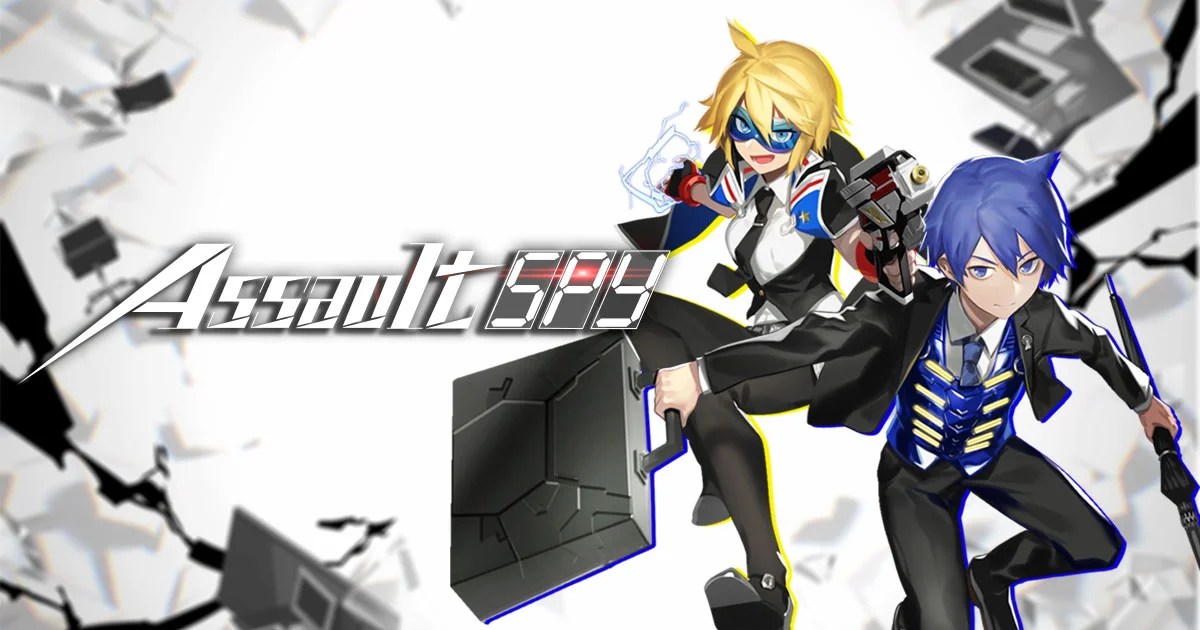
Indie studio Wazen’s Assault Spy was released into early access on Steam earlier in May, and it’s already showing the signs of being a pretty good beat em up. In the currently available story, you play as corporate spy Asaru, who fights with a briefcase and is constantly hindered by his semi-useless partner, Kanoko. You spend much of your time in the game dodging the laser sights of robots, dashing through semi-destroyed offices and punching your enemies in the face. It’s a lot of silly fun.
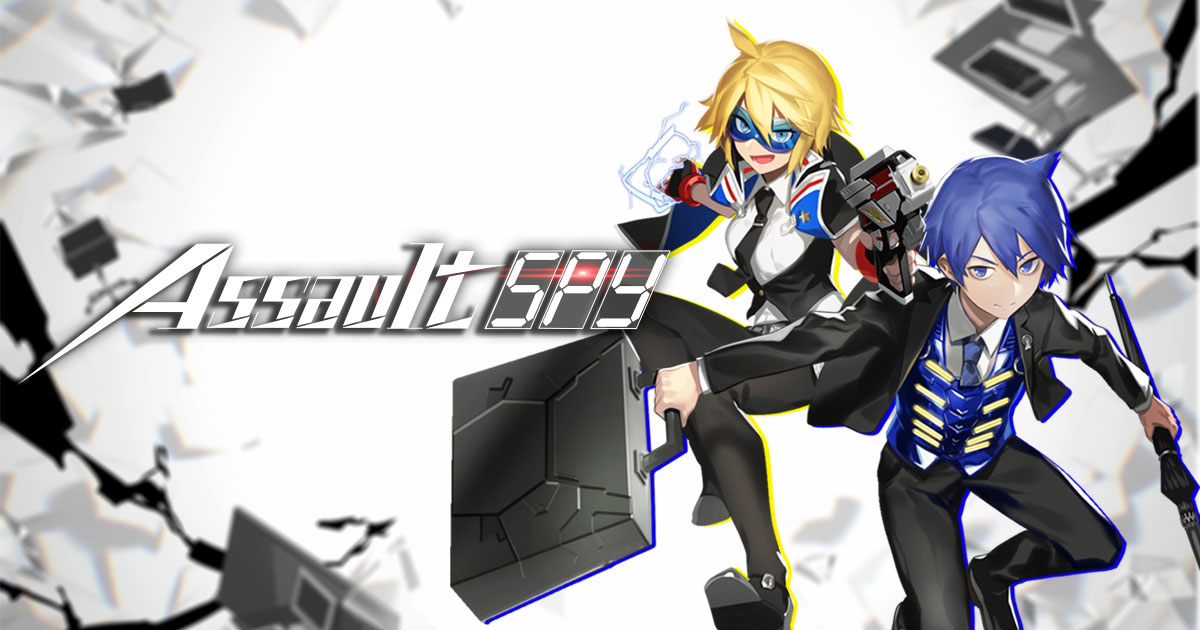
Indie studio Wazen’s Assault Spy was released into early access on Steam earlier in May, and it’s already showing the signs of being a pretty good beat 'em up. In the currently available story, you play as corporate spy Asaru, who fights with a briefcase and is constantly hindered by his semi-useless partner, Kanoko. You spend much of your time in the game dodging the laser sights of robots, dashing through semi-destroyed offices and punching your enemies in the face. It’s a lot of silly fun.
Assault Spy does still contain quite a few issues though, but the developers should be ironing out these as early access continues. In the next few months, I would expect to see a couple of the major glitches in the combat disappear and dodging to become smoother, as well as an added tutorial and upgraded cutscene graphics. I also look forward to seeing more features in the game completed, including playing as Amelia, a CIA agent, through the story missions.
There’s certainly a lot of fun to be had with the early access of Assault Spy, and I suspect it will shape up to be a really great game. It’s definitely something I’d recommend checking out in the next few months for beat em up fans. Be sure to stay tuned for a complete review of Assault Spy on The Gamers Lounge in the upcoming weeks as the developers add more to the game.


Light Fall Review
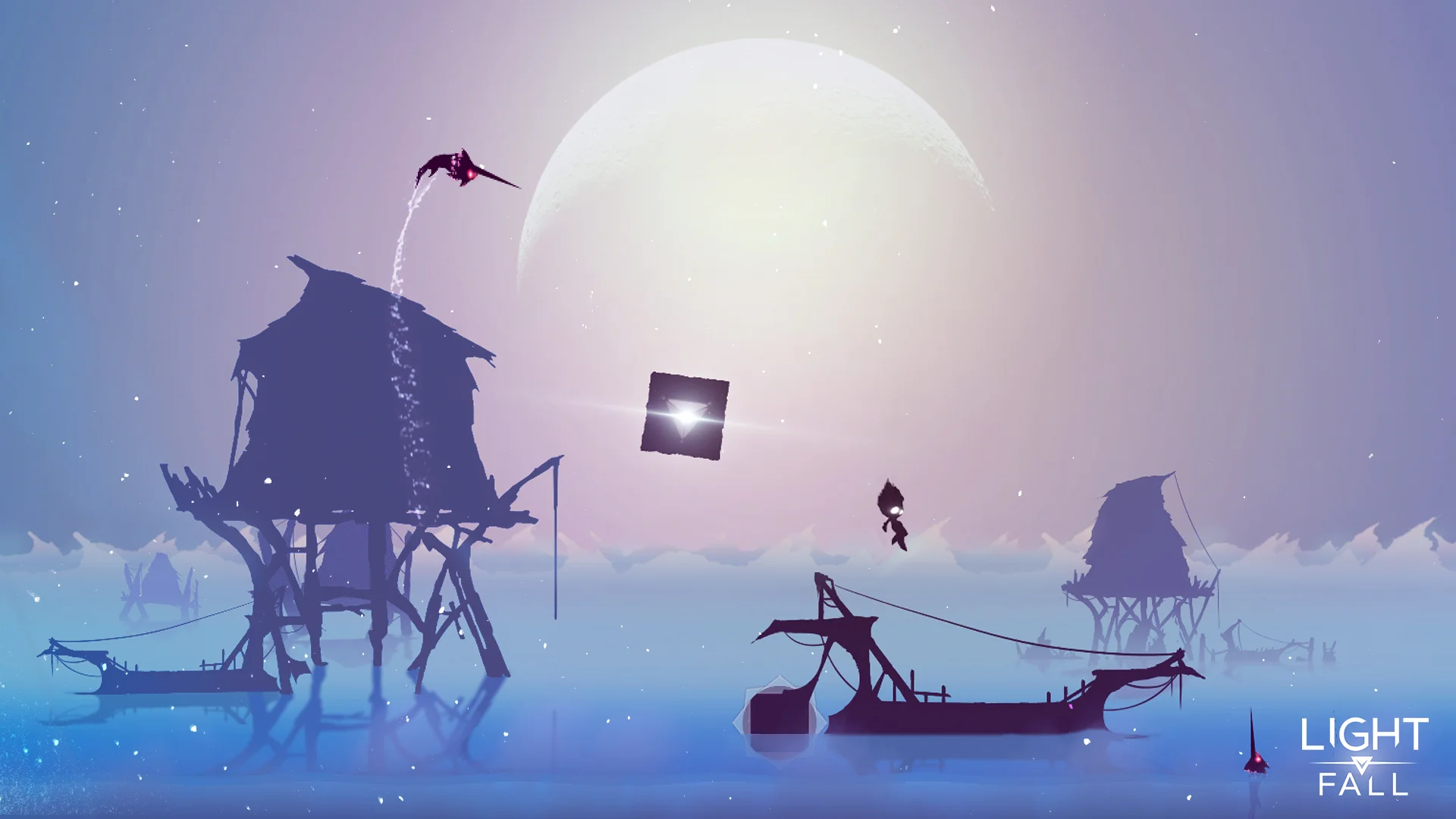
Light Fall certainly has a lot going for it. It features quite beautiful graphics as its fantastical setting of Numbra is realised in black and blue silhouettes. The orchestral score by French Canadian composer Jean-Philippe Tessier is absolutely exquisite, definitely one of the best game soundtracks I’ve heard this year. The gameplay is fun too. One of the best parts is mucking around with the main character’s ability to summon a cube of darkness which can be used in a variety of different helpful ways. All these things add up to a good game, but not the great platformer I’d been hoping for.

Release Date: April 26 2018
Platform(s): PC (reviewed), Switch
Developer: Bishop Games
Price: $14.99
I have to admit, I’m not very good at platformers, but when the planets align and the stars are right, I do enjoy playing them. A couple have even found their way on to my list of favourite games. I particularly love ones that tell a story; platformers that have breathtaking graphics, heartbreaking music and fascinating characters. These games transport the player through challenges that, while tough, are worth pushing through to see what’s on the other side. I was hoping to find another of these games in Bishop Games’ Light Fall, and with a pun for a name and an engaging trailer, it was off to a good start.

Light Fall certainly has a lot going for it. It features quite beautiful graphics as its fantastical setting of Numbra is realised in black and blue silhouettes. The orchestral score by French Canadian composer Jean-Philippe Tessier is absolutely exquisite, definitely one of the best game soundtracks I’ve heard this year. The gameplay is fun too. One of the best parts is mucking around with the main character’s ability to summon a cube of darkness which can be used in a variety of different helpful ways. All these things add up to a good game, but not the great platformer I’d been hoping for.
There have been many great platformers released over the last ten years, and Light Fall definitely takes quite a bit of inspiration from them. But in taking so much inspiration from these games, Light Fall loses much of its own unique identity. It does certainly feature some fantastic original ideas, many of them feel overshadowed by design and visual references to other games. This was particularly disappointing, as without these references the emphasis on unique ideas such as the shadow core cube would have made for a much better game.
Another major problem in Light Fall was the level design, which I found to be very uneven, both in terms of standard and difficulty. The first few levels have an excellent balance between easy and challenging puzzles and feature a variety of ways to explore your way through them. However, at the end of the third level, the player is faced with a boss battle, which only has one incredibly specific and difficult way through it. I spent longer on this section of the game that I did on the previous three levels combined. This change in style is so dramatic that it felt like I was playing a different game. Perhaps this section and the others like it will give platforming veterans an enjoyable challenge, but I found the sudden and extreme difficulty spike very frustrating.
Ultimately, there are many things to like about Light Fall, but nothing that really seems to stand out and make it special. It does have a beautiful world, a fantastic soundtrack and mostly fun gameplay, but they aren’t enough to make me want to keep coming back to the world of Numbra. I would recommend this game to anyone who really loves platformers as it’s definitely a decent addition to the genre, but I don’t think it’s an engaging enough game to be enjoyed by a casual platformer-aficionado like me.

Pros
Excellent orchestral soundtrack
Interesting and fun gameplay mechanic
Beautiful graphics
Cons
Immersion in the game is often broken by continuous visual references to other platformers
Sudden and extreme difficulty spikes

Cyberdemension Neptunia: Four Goddesses Online Review
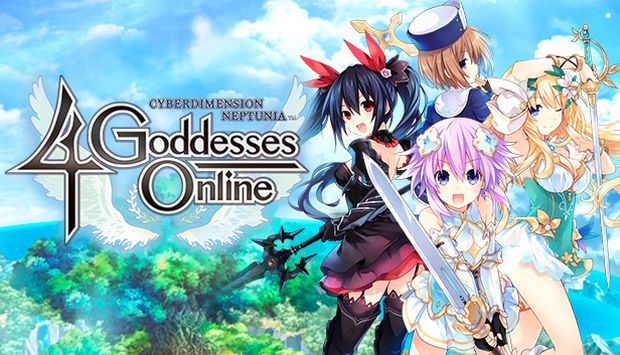
Cyberdimension Neptunia: Four Goddesses Online is a spin-off of the Cyberdimension Neptunia series which focuses on the four main goddesses (or CPUs) of the world of Gaminindustri playing the beta of a new MMO. If you haven’t met these characters before, never fear, throughout the game main character Neptune will fourth wall break to introduce you to each character. In addition to Neptune, there’s Vert, the competitive MMO player, Blanc, the caring-but-occasionally-angry healer and Noire, the slightly insecure cosplayer. Neptune also introduces the players to the supporting cast, but unfortunately, a large portion of what she tells you is often about the character's looks, not particularly helpful, given the player can already see them.
Release Date: February 27 2018
Platform(s): PC, Playstation 4
Developer(s): Idea Factory, Tamsoft
Price: $39.99
Before this review begins in earnest, I have a bit of a confession: I have never properly played an MMO. The closest I’ve got was playing half of the tutorial of Star Trek Online before it permanently crashed on my underpowered student laptop. Not only that, I’ve never played a Cyberdimension Neptunia game before, so I walked into this brand new gaming world knowing virtually nothing about the characters, the setting, or even the genre it was basing itself around. This is most definitely one of those reviews where I didn’t know a whole lot about the game going in.
Cyberdimension Neptunia: Four Goddesses Online is a spin-off of the Cyberdimension Neptunia series which focuses on the four main goddesses (or CPUs) of the world of Gaminindustri playing the beta of a new MMO. If you haven’t met these characters before, never fear, throughout the game main character Neptune will fourth wall break to introduce you to each character. In addition to Neptune, there’s Vert, the competitive MMO player, Blanc, the caring-but-occasionally-angry healer and Noire, the slightly insecure cosplayer. Neptune also introduces the players to the supporting cast, but unfortunately, a large portion of what she tells you is often about the character's looks, not particularly helpful, given the player can already see them. It’s nice that the game attempts this introduction for newcomers to the series, but it’s very clumsily done. It ends up still feeling like you are missing a lot of information, and more importantly, reasons to care about the main characters if you haven’t played previous games in the series.

That lack of effective communication with the player continues to be a problem further into the game. The whole first third of the story is based on characters obsessions and actions from previous games, making it very hard to follow. It wasn’t until my fifth hour into Four Goddesses Online that it started to introduce a story that felt original to this game itself. This storyline about cheating and hacking MMOs is quite interesting and tells new players far more about the goddesses and their younger sisters (who are also playing beta) than Neptune’s earlier introductions do. It would have been great to see this story started earlier to make the game more accessible for those playing the series for the first time. Luckily the gameplay is enough fun to keep the player pushing through the opening until the main story begins.
Four Goddesses Online’s gameplay is definitely one of my favourite things about it. It’s pretty simple for the most part, but there are a wide variety of different characters to master in different settings and different roles. I enjoyed playing the DPS characters the most as beating monsters around the level feels hugely satisfying, especially in boss fights. I loved the special abilities of the characters too, which the player can customise based on level and the type of role you’re playing in the fight. It’s also heaps of fun customising your character’s look and weapons before she goes into battle. I have to admit, I particularly love playing with Neptune’s giant popsicle sword and Vert’s ice-cream cone rapier. The visuals are also a large part of what makes the game so entertaining.
A lot of the Cyberdimension Neptunia fans seem to love the visuals of the series the most, and it’s easy to see why. The anime style of the game and fun character designs make the world of Four Goddesses Online incredibly charming. It’s beautiful to play through the different areas, and see the different anime art styles interact. However, quite a few people (including myself) didn’t get to experience the visuals in their full glory, due to a series of glitches.

My copy of Four Goddesses online had a recurring problem that, about twenty-five percent of the time, textures wouldn’t properly load into the game. It’s pretty disappointing for a game that is so much about its visuals. It also took about two hours of work to get game graphics to play in high definition after downloading it. This seems to be because the game consistently recognised the wrong settings on both of the computers in our house, and would update to them regardless of the game being on manual settings or not. Almost every time I booted up the game I would have some version of this issue. There have also been quite a few reports of the game crashing after being played for a couple of hours, although I didn’t experience that myself. It’s pretty unfortunate that the game still has these issues after launch, and hopefully, some of these issues will be fixed in a patch soon.
Four Goddesses Online is a fun game, but it did take me quite a few hours to start enjoying myself. I’m not sure it’s worth pushing through the glitches and in-jokes of the first few hours to get to that point as a newcomer to the series though. In the end, while I did end up enjoying later parts game, I can only really recommend it to big fans of anime games, or fans of the Cyberdimension Neptunia series.

Pros
Fun gameplay
Great anime-style visuals
Cons
Not good for newcomers to the series, as story relies heavily on prior knowledge of the series
PC port has quite a few bugs
Thanks to Idea Factory and Tamsoft for providing us with a review copy.

Where The Water Tastes Like Wine Review
There’s something a little bit magical about Where The Water Tastes Like Wine, and I’m not entirely sure what it is. The game focuses on developing stories based on the main character’s experiences as they drift across a fantastical version of America. Throughout the game your character encounters a range of different people from different places. This gives the game an almost unmatched depth. There are very few times I’ve fallen in love with the world of a game quite so much, it felt almost painful to leave behind such a fascinating place when the game ended.

Release Date: February 28 2018
Platform(s): PC/Mac
Developer(s): Good Shepherd Entertainment, Dim Bulb Games and Serenity Forge
Price: $19.99
There’s something a little bit magical about Where The Water Tastes Like Wine, and I’m not entirely sure what it is. The game focuses on developing stories based on the main character’s experiences as they drift across a fantastical version of America. Throughout the game, your character encounters a range of different people from different places. This gives the game an almost unmatched depth. There are very few times I’ve fallen in love with the world of a game quite so much, it felt almost painful to leave behind such a fascinating place when the game ended.
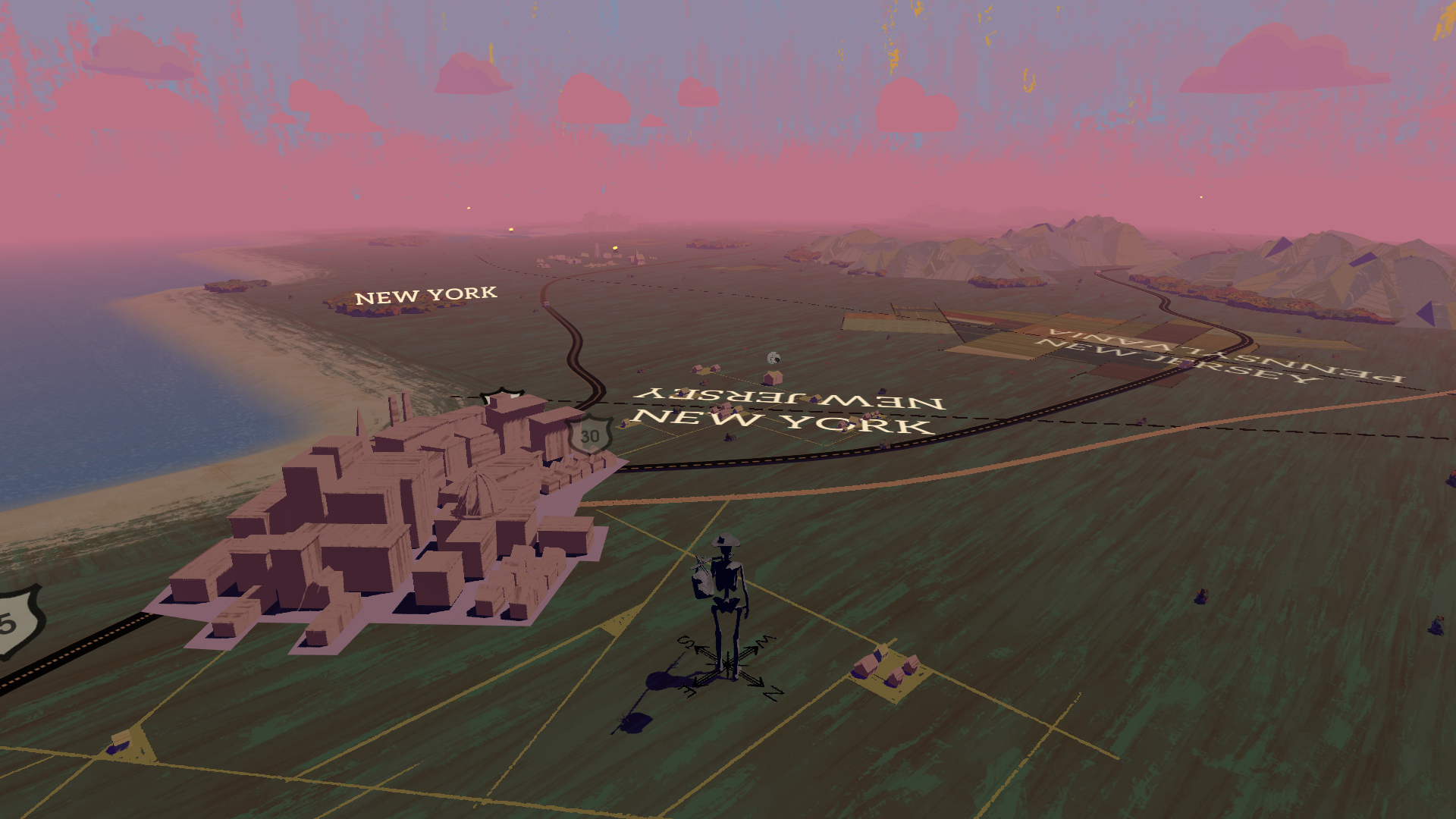
Where The Water Tastes Like Wine is a combined effort from Good Shepherd Entertainment, Dim Bulb Games and Serenity Forge. Each developer contributes their own elements which together create an original and cohesive world. The first thing you notice opening the game is Serenity Forge’s incredible visuals. I couldn’t help but be drawn in the distinctive style of artist Kellan Jett’s illustrations combined with the 3D rendered map which the player journeys across. These visuals are combined with a stunning soundtrack by composer Ryan Ike, which constantly changes to match each regions’ culture and history. One of my favourite parts of the game was travelling across the country and hearing the different version of the main theme play. These elements combined make the simply realised world of Where The Water Tastes Like Wine one of the most immersive in recent memory.
However, the true strength of a game about stories is always going to be the stories it tells. In Where Water Tastes Like Wine, your character is settling a debt by travelling across America to collect different stories, with the most important being the real stories of the people you encounter. From a disillusioned and disowned veteran, to a union miner running from his former employer, to a flirtatious card shark, every character you share your campfire with is absolutely fascinating. Running into a character you’ve previously met and being able to reveal more of their story feels like meeting an old friend after a long time apart. It’s also genuinely satisfying to know that by sharing the stories you’ve experienced you can give them a break from their problems, or enable to see them in a different light.
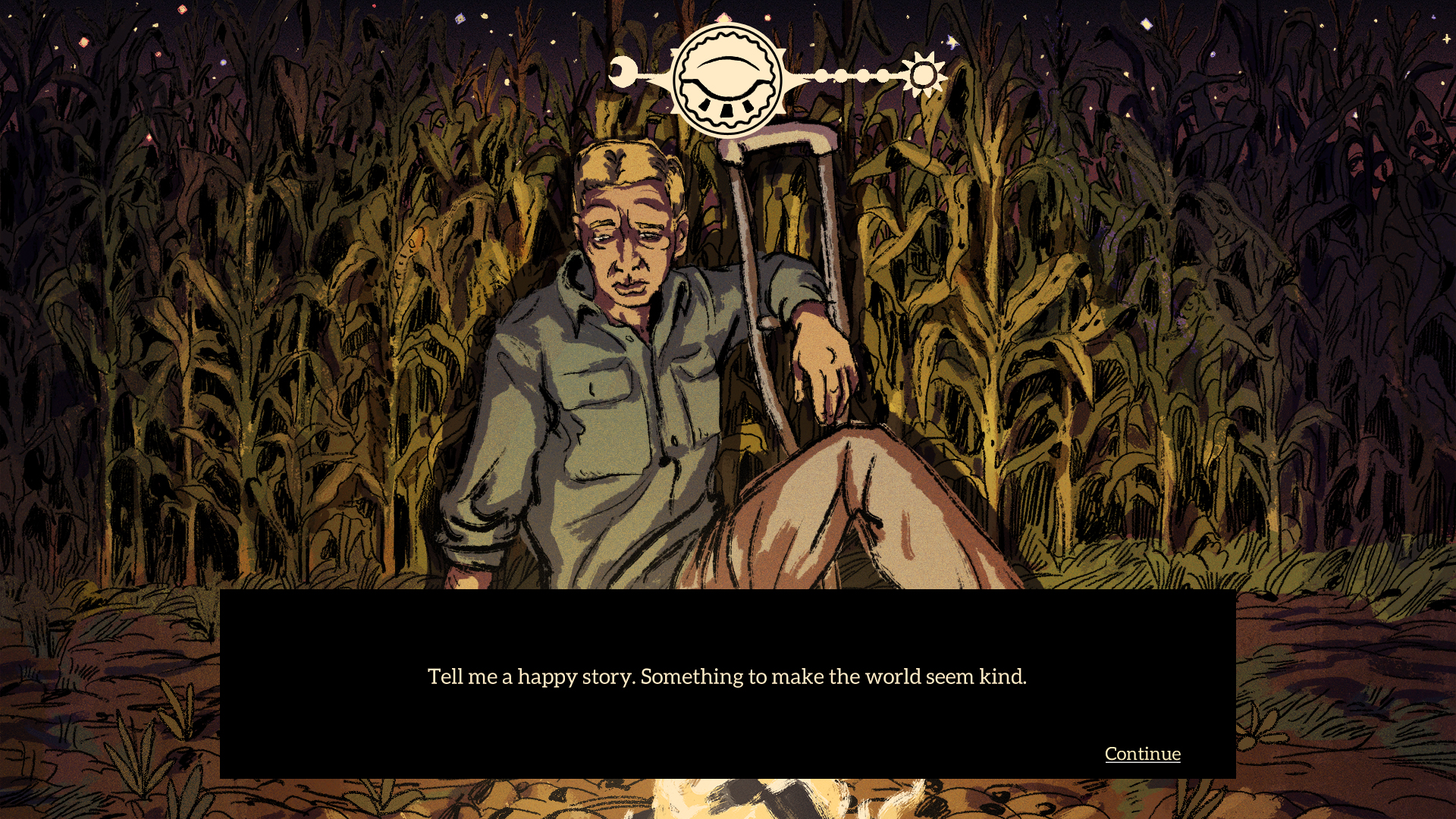
But Where Water Tastes Like Wine is not without its issues. It doesn’t ever fully explain how to actually play it. While I love the game so much I’ve played it three times already, I’m pretty sure I still haven’t figured out how everything works. The game does make some attempt to explain it to you, but in trying to keep with the poetic tone, the instructions come across as incredibly vague. One of the worst offenders is the whistle mechanic, which has you try to whistle along to the song playing in order to walk faster. Unfortunately it never actually explains how to change the notes, or even how to know what your character is going to whistle next. This is a problem that continues across the rest of the game, with many elements of gameplay having to be worked out by trial and error. I often found myself needing to restart the game because of this. It was confusing and somewhat annoying, but wasn’t enough to break the immersion of the game.
Ultimately Where Water Tastes Like Wine is a brilliantly immersive experience, despite a couple of flaws. I’d highly recommend it for fans of magical realism, urban fantasy or just anyone who loves telling and listening to stories. It’s something I can see myself going back to again and again. In fact, I’m going to head back to another campfire to meet another drifter with another story right now.

Pros:
Beautiful, original visuals
Fascinating, immersive world
Great writing and characters
Fantastic and interesting soundtrack (quite possibly my favourite ever)
Cons:
Controls aren’t explained
Can be slightly confusing
Thank you to Good Shepherd Entertainment, Dim Bulb Games and Serenity Forge for providing us with a review copy.

A Case of Distrust Review
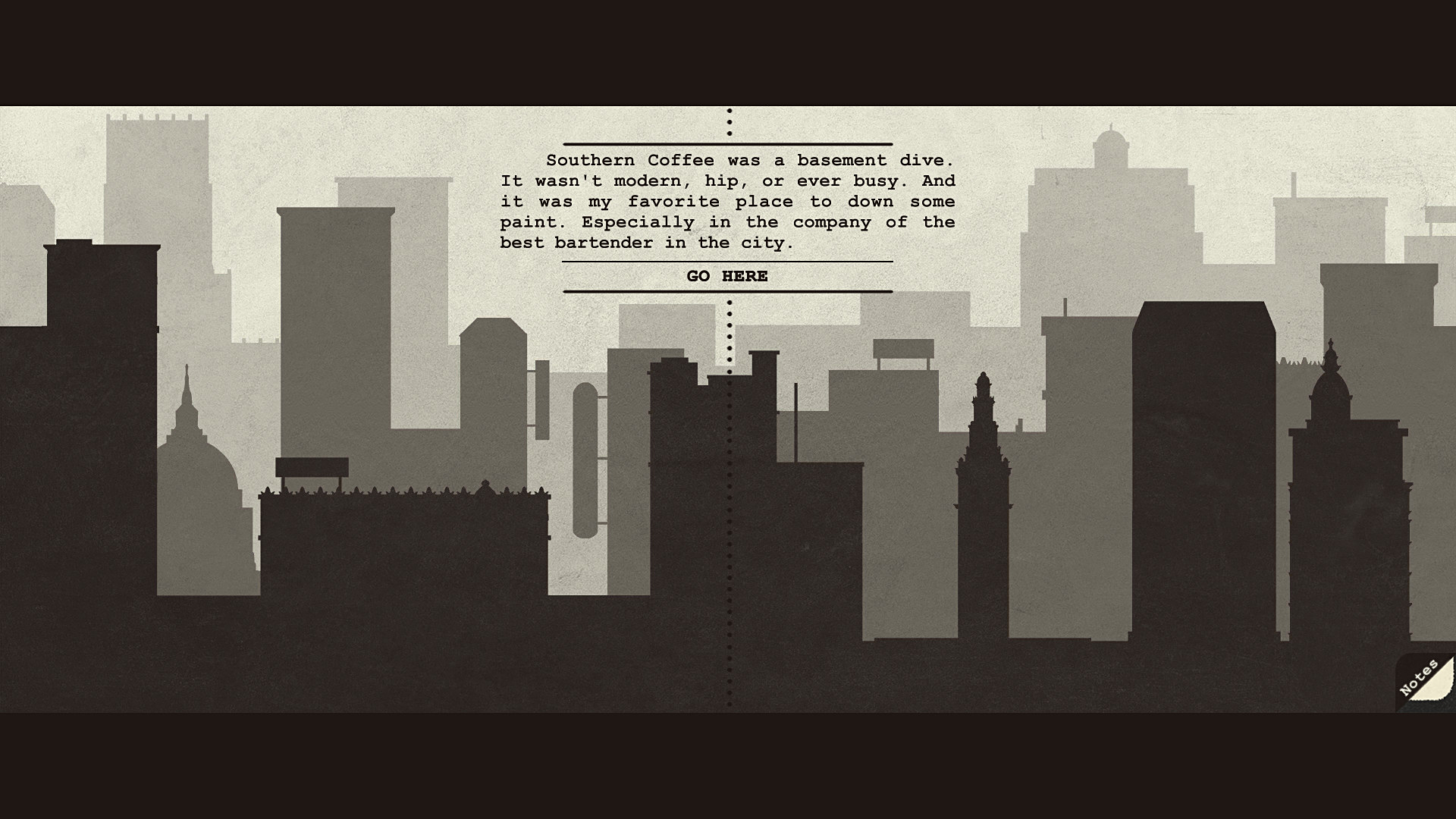
A Case of Distrust is an atmospheric game set in the world of 1920’s San Francisco where you play as a disillusioned private investigator. So far, so much like every film noir movie or game you’ve ever heard of, but there’s one exception. Your character is female. A former policewoman turned PI after the apparent suicide of her uncle, Phyllis Cadence Mallone is one of the more interesting detectives of her genre. The game follows her as she attempts to solve a case brought to her by a former informant of her uncle while navigating the shady world of gangsters and prohibition.

Release Date: February 8th, 2018
Platform(s): PC/Mac
Developer: Wandering Ben/Serenity Forge
Price: Unknown
I would walk through fire to play a good story based game so when I was offered the opportunity to review the new text-based adventure from former Bioware employee Ben Wander, I leapt at the chance. A Case of Distrust is an atmospheric game set in the world of 1920’s San Francisco where you play as a disillusioned private investigator. So far, so much like every film noir movie or game you’ve ever heard of, but there’s one exception. Your character is female. A former policewoman turned PI after the apparent suicide of her uncle, Phyllis Cadence Mallone is one of the more interesting detectives of her genre. The game follows her as she attempts to solve a case brought to her by a former informant of her uncle while navigating the shady world of gangsters and prohibition.

One of the best parts of the game is the setting, which is predominantly shown through the description of the buildings the story takes place in and discussions Mallone has with taxi drivers as she makes her way around the city. These conversations make the game incredibly rich, referring to various events from the time and filling in the background of a world filled prejudice and rebellion. The more I talked to the taxi drivers, the more I realised just how difficult it was to be different in Mallone’s world. It’s something that is referred to again and again throughout the game, and which becomes one of the main themes of the story.
The story itself is incredibly well written and it kept me on the edge of my seat almost the entire way through the game. There are quite a few twists and turns and you’re always kept second guessing your progress in the case. The basic mechanic is digging up facts though clues or statements which contradict the statements of others and then using those contradictions to force each witness to give you the truth of their role in the case. While many games with similar mechanics tend to have a lot of bizarre logic and rely on random events to push the case forward, in A Case of Distrust each clue seems to always logically lead to the next. Even though some are harder to find, there’s always something in each scene to point you towards the truth of each witness’ experience. Finding these breaks in your case is a challenge, but an enjoyable one. Unfortunately, the game lets go of this concept in the latter half of the final act, and that’s when things begin to fall apart.

Towards the end of the game, the control is taken away from the player and the final solution is simply handed to them, rather than being built up from the collection of clues Mallone has gathered over the course of the case. It was disappointing to have not actually found any evidence to do with the resolution of the case, and ultimately it ended up feeling like my actions were totally superfluous to the story. In fact, the solution of the case feels contrary to all of the evidence you have gathered and relies totally on a single witness statement that you are never given the opportunity to contradict. It’s very disappointing that a game which so successfully simulated the experience of being a detective up until this point ends this way.
The final scene of A Case of Distrust hints at a future game, and despite the disappointing final act of this game, I would love to be able to return to P. C. Mallone’s world in the near future. I hope that there is a more satisfying end to her next case though as both the detective and those playing her are more than capable of finding out whodunnit by themselves. As far as this game goes, I would recommend it for anyone who loves atmospheric story based games or enjoys playing as a capable female heroine. It may not be a perfect game, but it’s a pretty fun trip to the world of speakeasies, femme fatales and cynical detectives all the same.

Pros:
Intriguing, original story
Atmospheric setting
Logical and engaging investigation
Cons:
Weak, unsatisfying ending
Not enough interaction with the story in the final act
Thank you to Ben Wander and Serenity Forge for providing us with a review copy

The Late Gamer: Undertale
I'm not the type of gamer who plays new release games, I'm not even the type of gamer who waits for the end of the year sales to pick the best releases at half price. I'm the type of gamer who realizes they haven't played that one game they meant to three years later and then decides to catch up. I'm like that for a number of reasons, I refuse to play games in story-based series without having played the ones leading up to it, and I spend quite a few of my gaming hours trying to finish the ridiculously long RPGs I often play. It all means that I end up playing games years after everyone else has after the hype has significantly died down. This series aims to compare my playing experience to the hype around each game at the height of its popularity and see whether it still holds up.
I'm not the type of gamer who plays new release games, I'm not even the type of gamer who waits for the end of the year sales to pick the best releases at half price. I'm the type of gamer who realizes they haven't played that one game they meant to three years later and then decides to catch up. I'm like that for a number of reasons, I refuse to play games in story-based series without having played the ones leading up to it, and I spend quite a few of my gaming hours trying to finish the ridiculously long RPGs I often play. It all means that I end up playing games years after everyone else has after the hype has significantly died down. This series aims to compare my playing experience to the hype around each game at the height of its popularity and see whether it still holds up.
I've known I wanted to play Undertale once it started featuring on the gaming sites I frequent in the lead up to its release, but it's been a low priority for me. There were just so many other things I wanted to play that it kind of slipped out of my mind. It wasn't until I was compiling a list of things to buy and play through for my blog that I remembered that I still hadn't got around to it, but once I remembered it became a high priority.

Undertale tells the story of a child who falls beneath the earth's surface into the world of monsters. Before they can attempt to find their way back to the surface they are met by a kindly monster, Toriel. Toriel tells the child that there are two ways to go about approaching the monsters they encounter; fighting them or talking to them and resolving their problems. The idea of having a choice of whether to react to monsters violently or compassionately was considered revolutionary by both gamers and games media alike and the game went on to be widely critically acclaimed, including winning several Game of the Year Awards.
The acclaim definitely feels well deserved, having a game that subverts such a huge part of gaming was certainly a big part of what fascinated me about Undertale. Even quite a few years later, no other game seems to have provided the commentary on the medium it has. From using experience points as something exclusively gained through violence to having characters comment on the likelihood of player to quit or take an easier path when the game feels too difficult, Undertale definitely feels like a game with a moral purpose. It draws attention to the inherently violent undertones of many games, particularly those set in similarly fantastical universes. Toby Fox, the game's creator, said in an interview with the Escapist, “If you think about it basically all monsters in RPGs like Final Fantasy are the same, save for the graphics. They attack you, you heal, you attack them, they die. There’s no meaning to that.” In Undertale, if a player chooses to take the life of a particular monster it is most definitely their choice to do so, rather than simply being a mechanic of the game, and in doing this the audience is asked a really interesting question.

The question for me comes back to the idea of taking the easy route in games. I often find it very difficult to be anything other than good in games that give me choice, although I do occasionally take a more morally ambiguous or renegade option. I don't like causing pain to others, so I often choose the stereotypical saviour role, even when arguably more interesting decisions are available. One of the reasons I love games that don't make those options so clear, like The Witcher series or Life is Strange, is I feel I am able to play as a more rounded character, a character who stumbles through life trying to do the right thing but not necessarily succeeding. But Undertale’s commentary on good and evil is of a different kind altogether. It makes being a pacifist difficult, far more difficult than being violent. If you choose to be a pacifist and try and help the monsters you come across, most of them will still attack you and take chunks of your health (unless you are way better at playing the fighting minigame than I am). Many of the boss fights have found me backtracking to spend all my money on health potions for that one fight in order to not hurt a monster who is kicking the stuffing out of me. It's incredibly frustrating but it does make an interesting point: doing the right thing is rarely easy.
It's certainly an interesting idea to make the player struggle to stay on a pacifist route; it's a great commentary on a medium that has become inherently violent in many ways, but I'm not sure it works for me. One of the things I appreciate the most about RPGs is the ability to become the character, to be completely absorbed in what I'm playing but I found it almost impossible to be absorbed into the world of Undertale. It felt like every time I wanted to make a particular decision I was given a choice to either push through a difficult encounter that would be the right thing to do or to take the easy and violent path. Initially, I was so interested in what the game was doing with subverting tropes that I didn't mind the slog to reveal more of it, but as I continued playing I grew tired of a choice that didn't feel like a choice.
In the end, not being able to play how I wanted to, and constantly being reminded that doing what's right is more difficult and takes more patience ended up ruining my enjoyment of the game. I think a lot of my problem was because I predominantly play games as a form of escapism. What I want most out of them is to enjoy my experience. While I do enjoy games that make me question moral decisions, I'd prefer that not to be the main component of the game. For me at least, Undertale felt like most of the game was about this message, and everything else was secondary to that. I can definitely understand other people enjoying that type of thing, and why it was (and continues to be) a revolutionary approach to gaming, but ultimately not for me. Having said that, the fact that it isn't certainly made me think about what that means about me, so maybe Undertale has achieved its goal after all.