Release Date: August 25, 2026 (Early Access)
Developer: Panache Digital Games
Platforms: PC
Price: $29.99
Few video games carry a development legacy as dramatic as 1666: Amsterdam. Conceived over a decade ago, with the project surviving studio bankruptcies, a grueling legal battle with Ubisoft, and years of limbo before finally resurfacing under Panache Digital Games, and now that the game has finally clawed its way onto PC via Early Access at the time of this review, the burning question isn't just whether it survived the ordeal; it's whether a concept conceived in the early 2010s can hold its own in today's gaming landscape, given how much the technology and economy have advanced (or regressed, depending on how you look at it). The answer to this - much like the game's current state - is complicated, but there's no denying that these ambitions meet a rough reality.
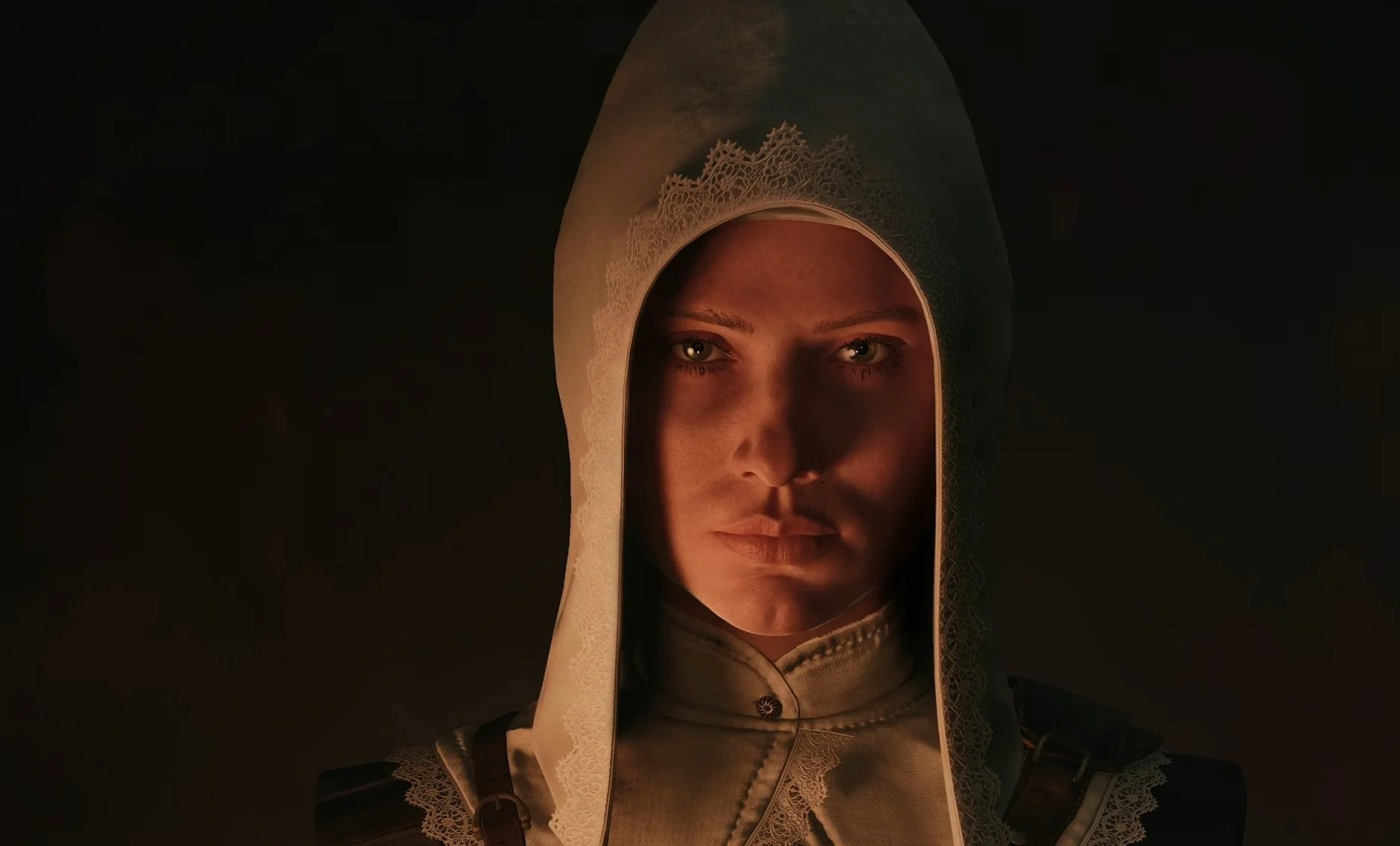
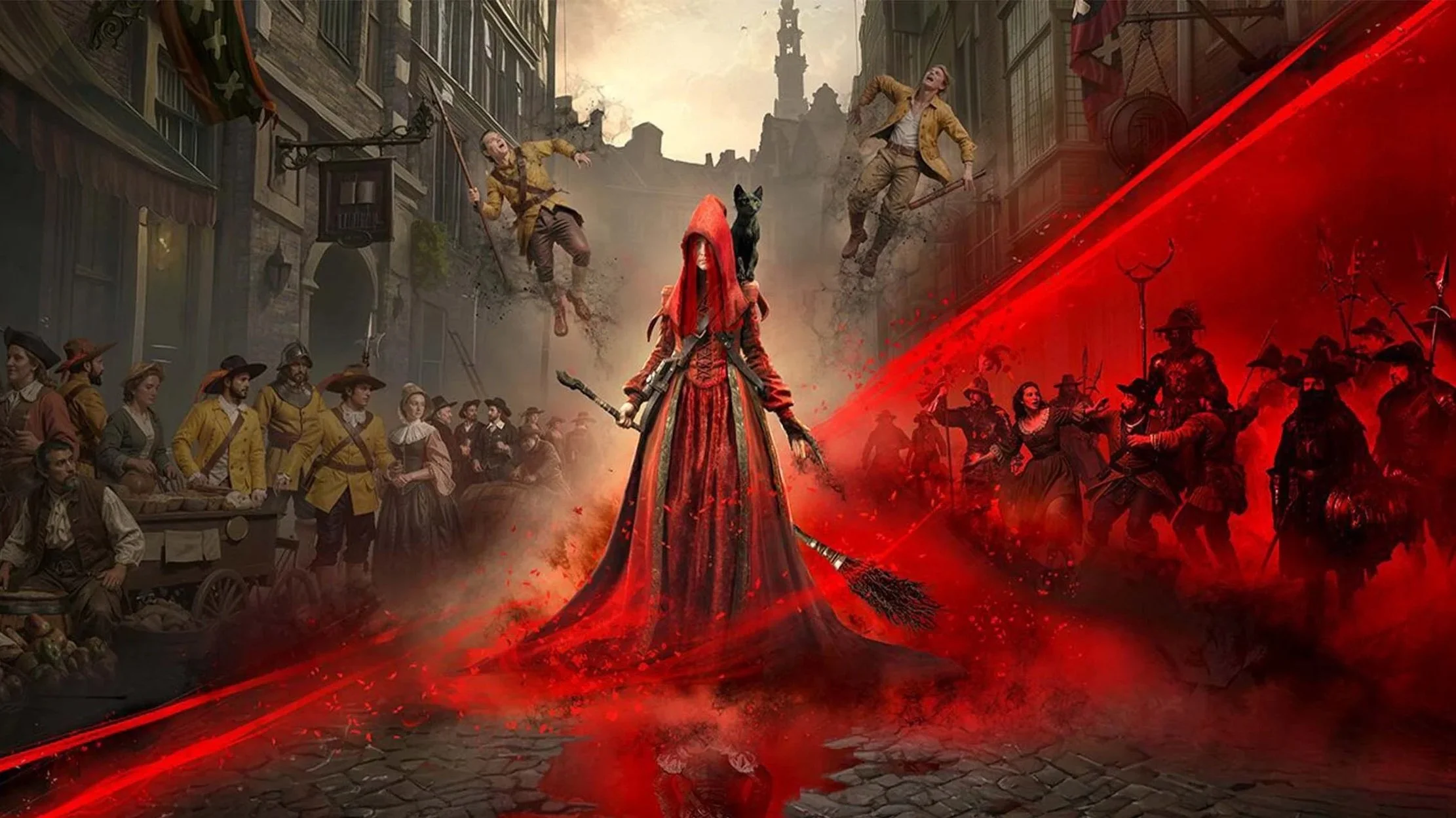
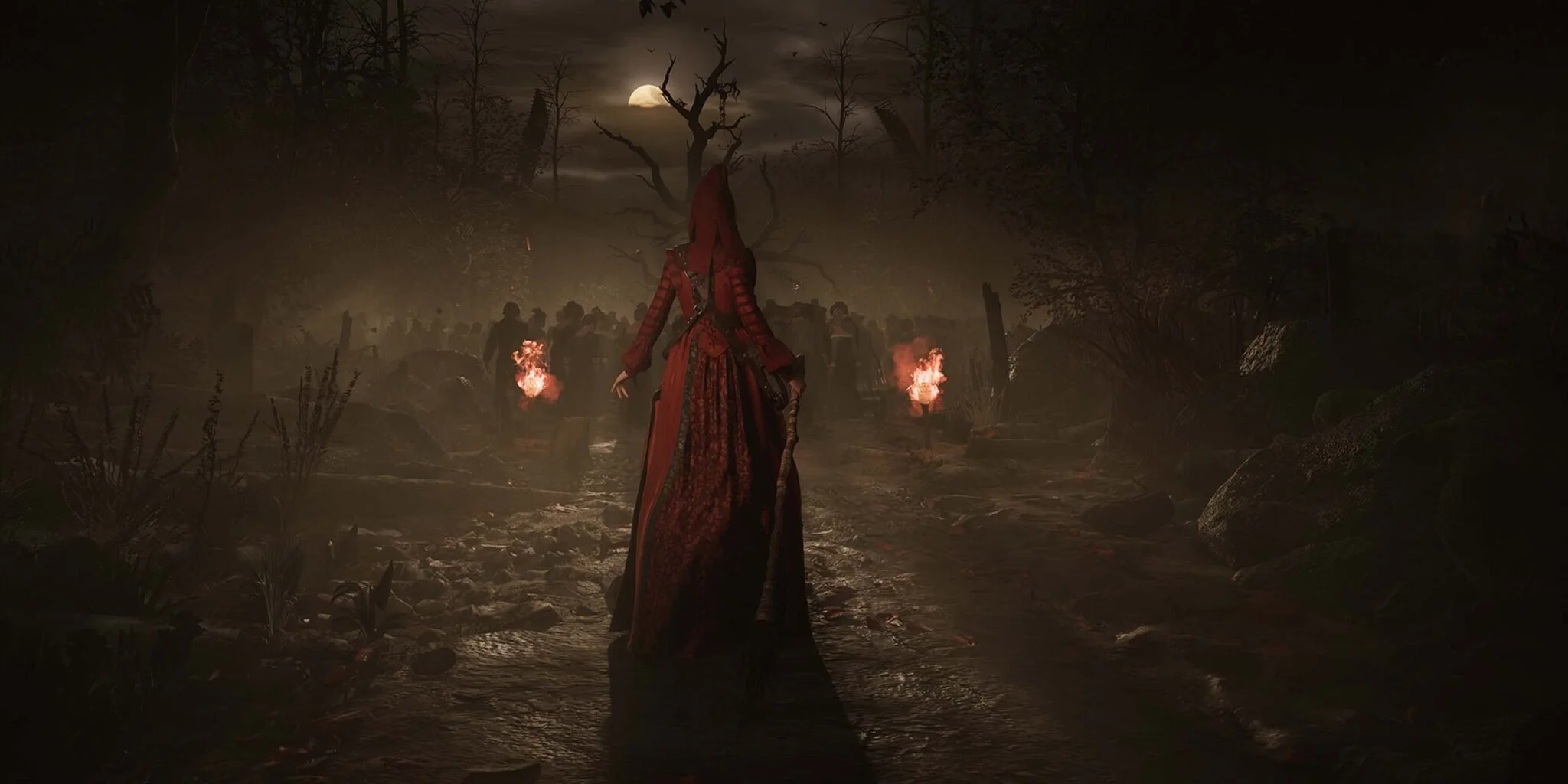
In The Witching Hour during the Dutch Golden Age, set in 1666 amidst the height of the Dutch Golden Age, you are Noa Brooklyn, known as "The Collector," and tasked with tracking down demonic entities known as The Originals who hide behind human faces. Spanning multiple eras—including a bizarre narrative thread tethered to 1999—the game’s premise is dripping with dark, mystical ambition that delights fans of occult fantasy and witchy lore.
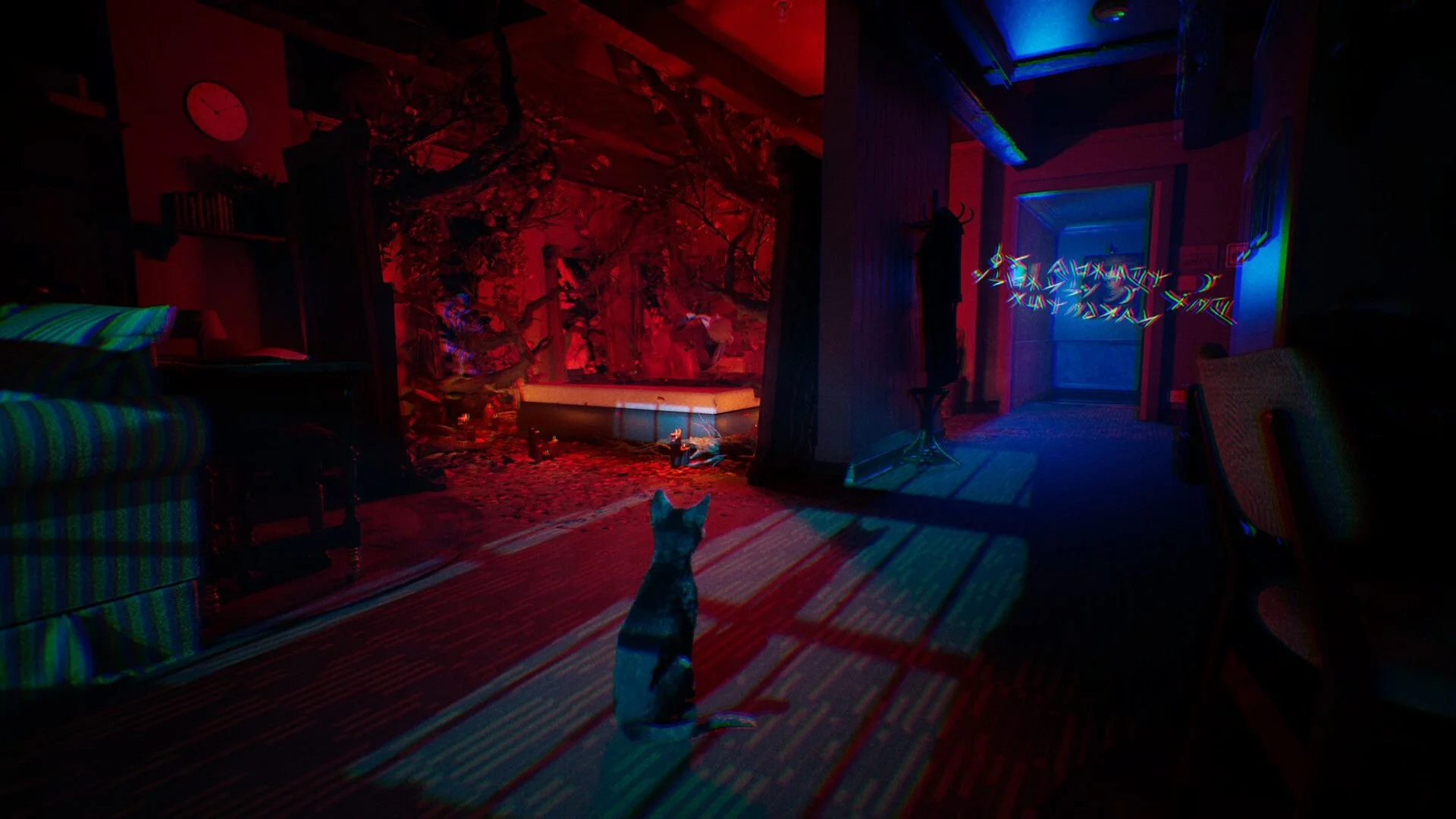
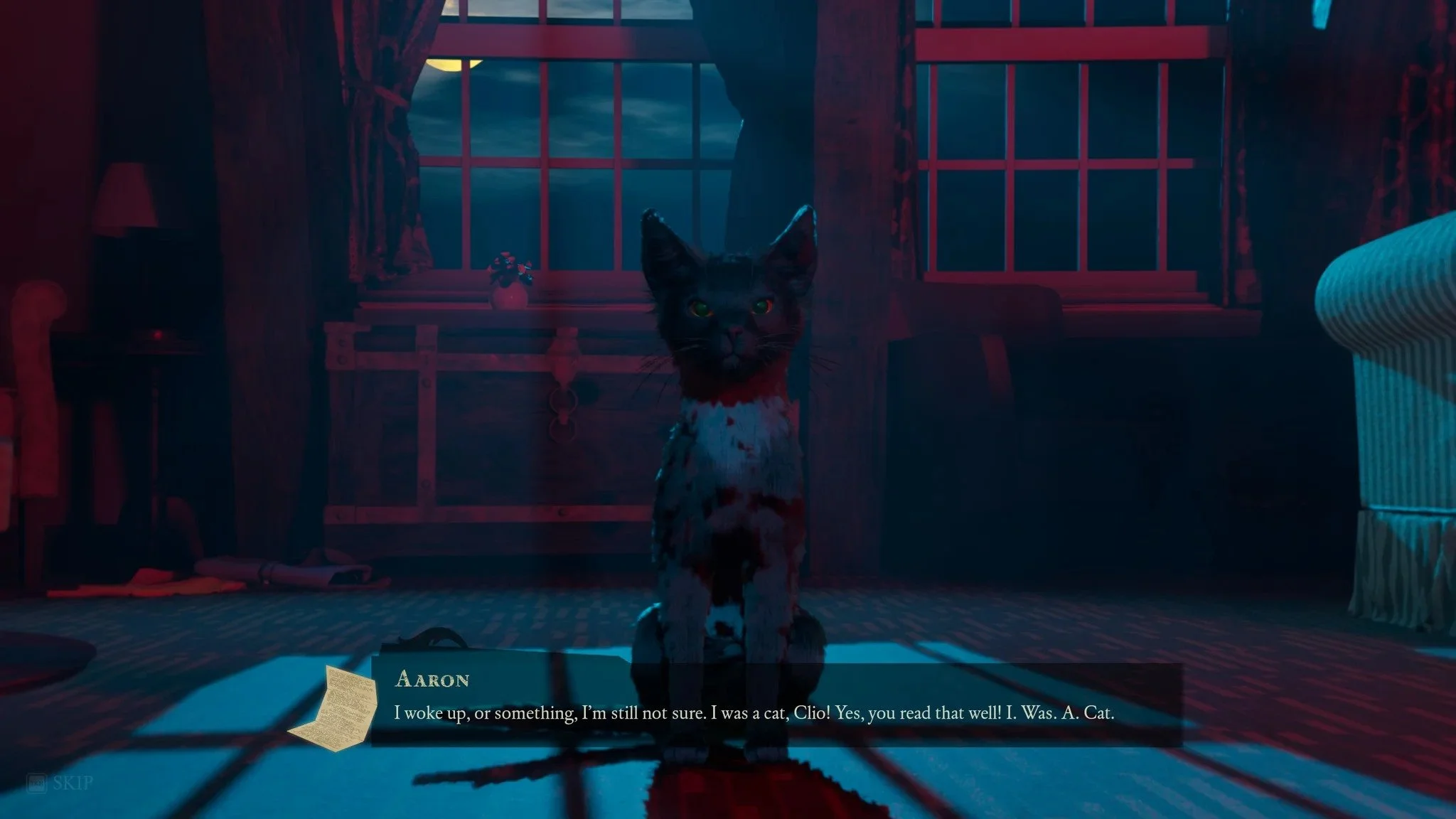
One of the game's most unique hooks, however, is its dual-protagonist mechanic. Noa commands generational witchcraft and investigation skills by day, but she is joined by Aaron—a modern man summoned from 1999 who happens to experience the world through the eyes of a cat. Shifting between Noa’s supernatural stakeouts and Aaron’s feline stealth sequences injects genuine creativity into the pacing, allowing you to infiltrate tight crevices, scale gablestones, and view the meticulously handcrafted city from a completely different angle. Going back and forth, interestingly, reminded me of games like Contrast, Banishers: Ghost of New Eden, and similar concepts where two very distinct characters that are typically the antithesis of what the other represents come together to complement not only each other but the gameplay for the player to experiment with; games and mechanics where utilization between the two is key to unlocking and exploring the true depth of the world players find themselves in.
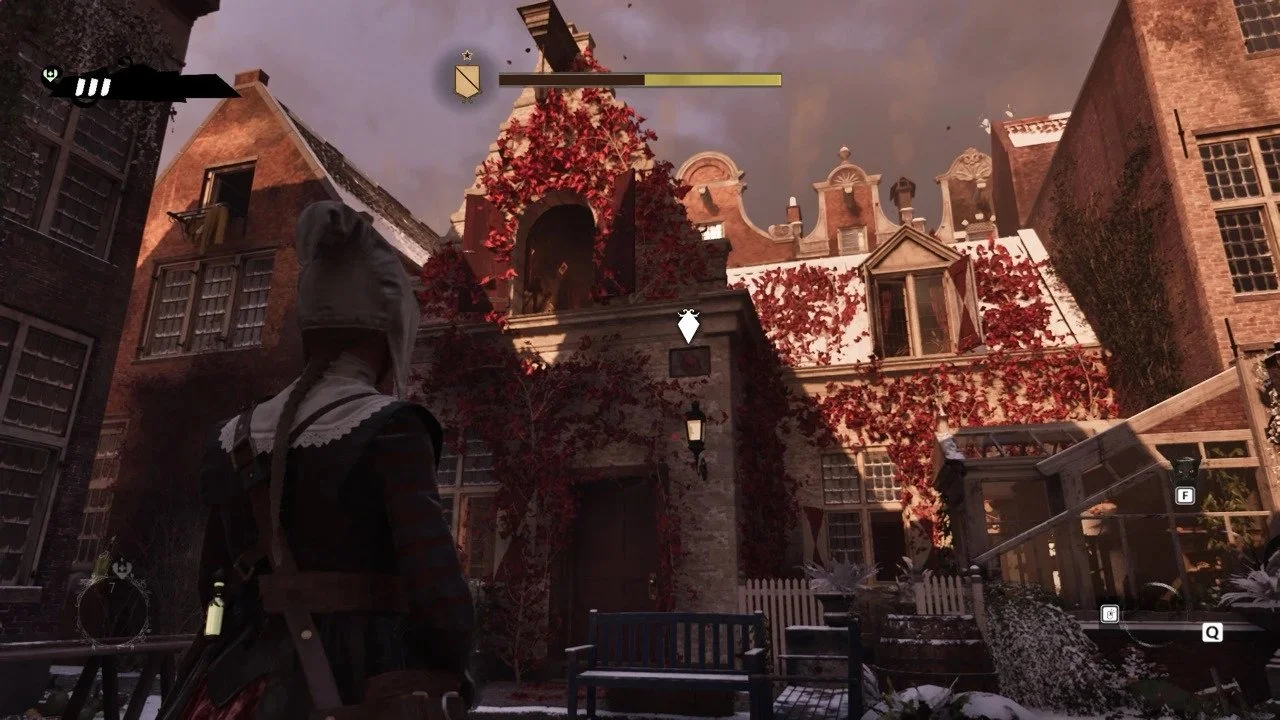
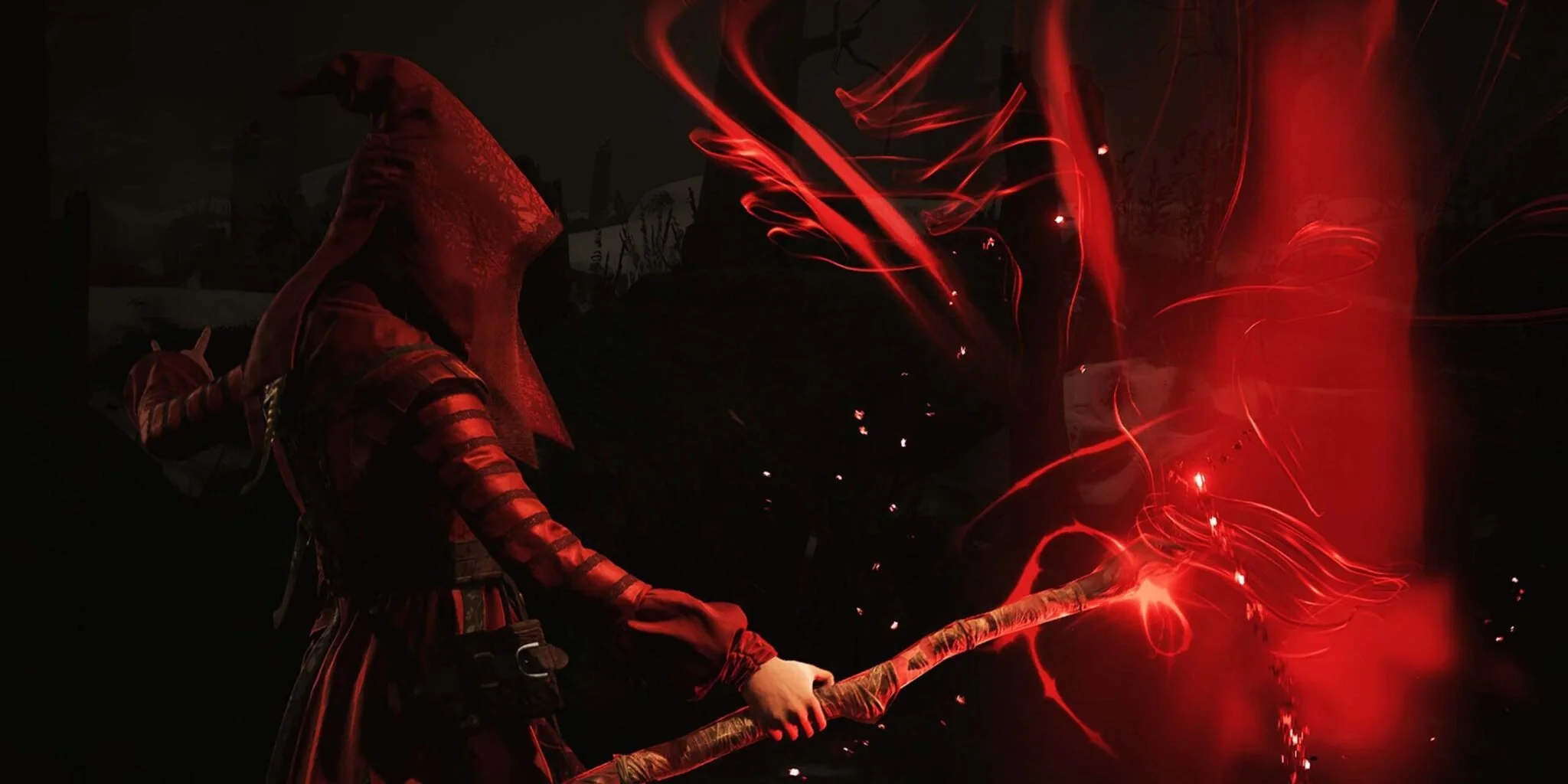
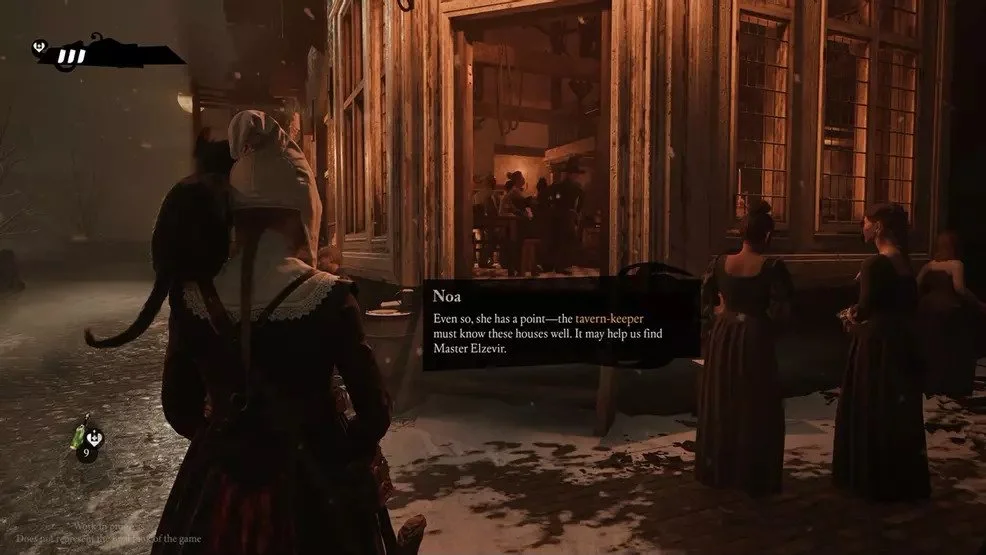
Beneath the surface, 1666’s gameplay revolves around a strict division between daytime investigation and nighttime reckoning. By day, Noa explores the streets to gather clues, manage a rising suspicion meter that can draw the wrath of local witch hunters, and uncover hidden coven coffers that grant choices between new witchcraft spells. When night falls and the Esbat begins, the game pivots into a roguelite-tinged action loop, and this here is where the true heart of 1666: Amsterdam's gameplay loop lies. An Esbat is the nocturnal full-moon ritual that transforms daytime detective work into a tense, roguelite-tinged boss hunt (in traditional witchcraft lore, an Esbat is a ritual gathering or sacred meeting held during a full moon. In 1666: Amsterdam, this concept has been transformed into the central high-stakes climax of the gameplay loop). After spending the day investigating suspects and managing your suspicion meter, nightfall forces a showdown. To unmask 'The Originals,' Noa must cast true-name Nominem spells while Aaron pounces in cat form to rip away their human disguises. This leads into a high-stakes reckoning where death strips away all ability buffs and coven coffer spoils gathered during that run, while survival lets you permanently claim their dark power back at your safehouse. It’s an inventive, high-risk cycle that gives meaning to your daytime legwork, even if stiff spellcasting controls can make failing a run feel unnecessarily punitive
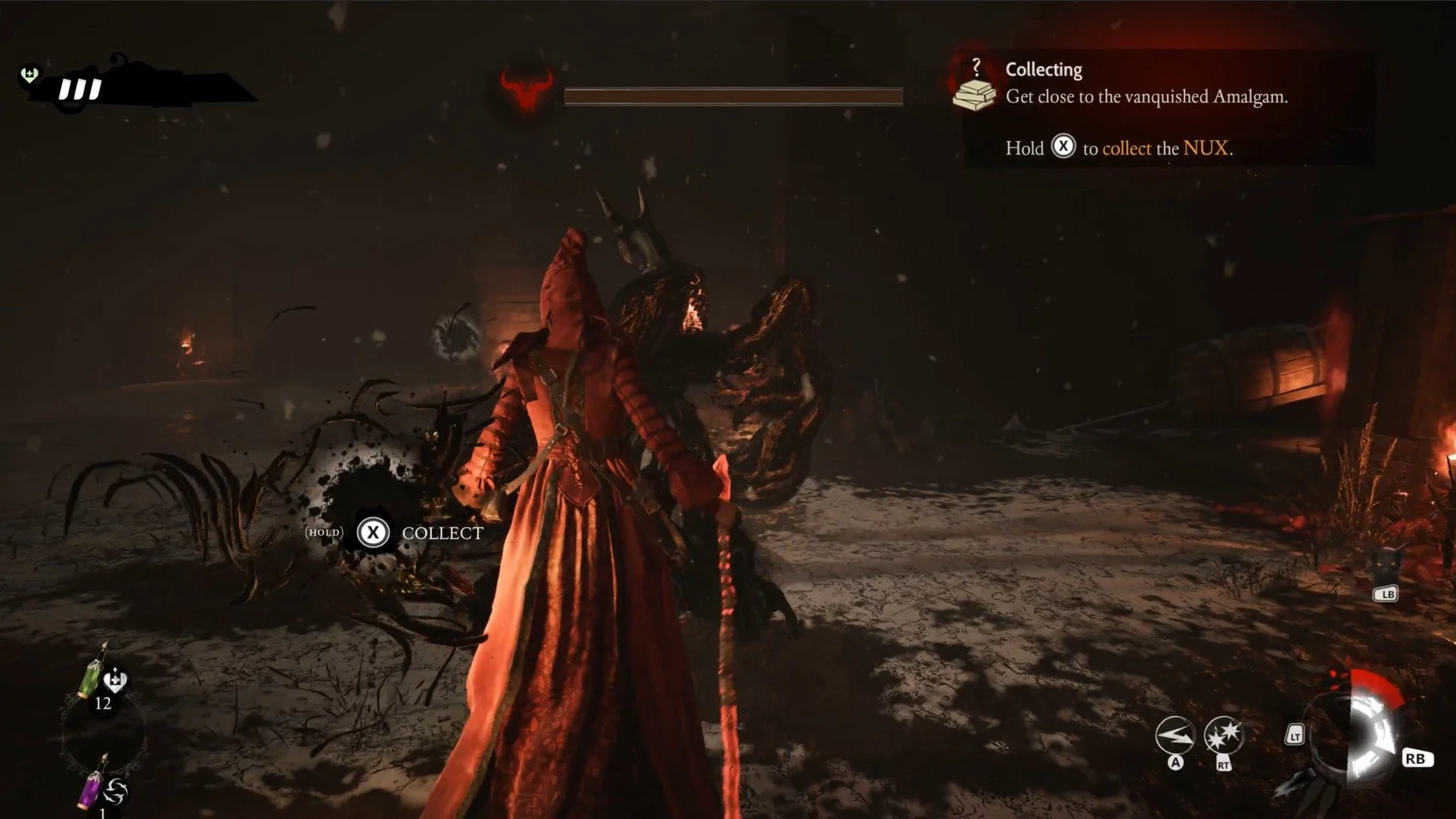
Noa’s magic relies on two distinct essences—Lux for environmental manipulation and the rarer Nux for offensive combat like levitation and petrification—while Aaron acts as a crucial tactical conduit who can convert between the two and restore Nux through quick-time events while sneaking into restricted areas. However, this progression system carries high stakes: failing during an Esbat forces a night reset and strips away any abilities unlocked from that run's coffers, while survival lets you permanently keep your spoils and refine potions back at your safehouse. It’s an intriguing blend of tactical stealth, spell management, and high-risk encounters clearly taking elements from the ever-popular roguelite genre, though the stiff melee combat and finicky camera angles often undercut the satisfaction of a well-executed plan.
It's not exactly news that despite the compelling nature of dark fantasy and supernatural mysteries, media tends to be all over the place in terms of quality when it comes to the subject - particularly books, where most tend to feel like fanfiction. We've seen everything from atmospheric triumphs like A Plague Tale and Dishonored to more uneven occult action titles like Witchfire, and 1666 falls into a uniquely awkward middle ground, setting it in this odd grey area where its faults are not only within the game itself but in the making of it. The title faced intense public controversy earlier in development when players discovered generative AI assets in the game's playable prologue and marketing materials. While creator Patrice Désilets and Panache Digital Games later apologized, claiming the tech was restricted to early conception and pre-production before being completely scrubbed for this Early Access build, the ordeal left a lingering stain on a project that already faced an uphill battle. It creates an awkward tension where the game's flaws aren't just technical hiccups, but traces of a conflicted production history.
When 1666: Amsterdam hits its stride, though, you can feel the distinct spark of old-school creative pedigree at play. For example, investigating citizens, marking suspects, and preparing for the nocturnal reckoning known as the Esbat offer an enticing gameplay loop. Unfortunately, getting to those moments often means wrestling with the game's rough technical and mechanical edges that are at the mercy of most Early Access titles and come with the territory, asking for player patience as the polish is a slow-going process that unfortunately needs to be sacrificed to play the game at its earliest possible playable state. There are myriad moments where it is made abundantly clear that movement, the third-person combat, and camera angles frequently feel incredibly dated, lacking the fluid responsiveness expected from modern action-adventure titles, and while the atmospheric lighting and historical recreation show promise due to the veteran backgrounds involved, character models can look remarkably stiff, with wooden dialogue delivery and occasional NPC animation glitches that pull you straight out of the immersion if you were to find yourself enjoying it enough to do so. Tack that on top of frequent frame-rate drops and prominent bugs at a regular occurrence (this is both surprising and unsurprising given its EA state; however, they can be so egregiously frequent that it can become borderline offensive), the choice to launch into Early Access has a bit more merit, even if it's to its detriment.
Despite all of this, I do believe 1666: Amsterdam has its heart in the right place, even if the excessive use of AI - which has mostly, if not entirely, been stripped out at the time of this review - is upsetting. I do believe that the use of AI can have some good involved, but what is most disappointing about projects that utilize it, including 1666, is that they are typically used as a replacement rather than a tool to help enhance or be an extra set of eyes to catch something someone may not have. Every piece of art and media should still be inherently human-made and supervised, because that is where the soul comes from, and even with AI helping visions come to life at speeds we used to be able to only dream of, the lack of heart involved is palpable in every single title that abuses it without fail.
AI aside, 1666: Amsterdam is admittedly a fascinating amalgamation of ideas—a passionate, fiercely original dark fantasy weighed down by technical growing pains and mechanics that feel like a time capsule from a decade ago. It is undeniably rough around the edges, and those who are heavily interested but are reluctant to pull the trigger would be wise to wait for a few major updates before diving in. However, for those intrigued by Désilets’ distinct creative vision or fans rooting for a developer who fought thirteen years to tell this story, there is a beating heart beneath the chaos. It needs heavy refinement, but the ingredients for something special are undeniably there. I only wish this could have marinated more and launched as a feature-complete release rather than going the Early Access route, because the uncertainty around 1666: Amsterdam will only grow, and it will hit harder, even with the promise of something special on the horizon.


PROS:
A wildly ambitious, atmospheric historical mystery held back by technical turbulence and stiff mechanics
Dual protagonist mechanics make gameplay feel mostly fresh and distinct, allowing for much more flexibility and freedom of exploration
Unique dual-resource magic system (Lux/Nux) where Aaron directly aids Noa's combat efficiency.
CONS:
The unfortunate use of excessive AI shows promise that was ultimately diminished in favor of machine efficiency, losing soul in the process of a promising world.
Punishing death penalties during Esbat nights can feel frustratingly harsh given the clunky combat controls, and unresponsive camera angles with stiff spellcasting drag down what should otherwise be fluid supernatural action.
It will likely be in early access for a while, and I worry about the game's longevity and health if it takes too long to finish and there's little financial support from less-than-favorable sales because of its AI taboo.
A huge thank you to Panache Digital Games for providing us with a copy of 1666: Amsterdam for the purposes of this review!