Lumentale: Memories of Trey Review — Worthy of Remembering

Release Date: May 26th, 2026
Developers: Beehive Studios
Platform: PC, Xbox Series X|S (Release TBA), Nintendo Switch (Reviewed), PlayStation 5 (Release TBA)
Price: $24.99
Lumentale: Memories of Trey is one of those games that comes out of nowhere and sneaks up on you. This isn’t because it’s loud or flashy or trying to reinvent the wheel or anything, but because it’s quietly confident in what it wants to be while delivering a unique enough experience that, despite its inspirations, has a lot more to say and do. Truthfully, this is what struck me first about it, too - it’s a game that knows its own center, proudly wearing its forefathers on its sleeve, and knows the kind of story it wants to tell to the players it’s speaking to, which will more than likely be the monster-collecting fanatics like myself.
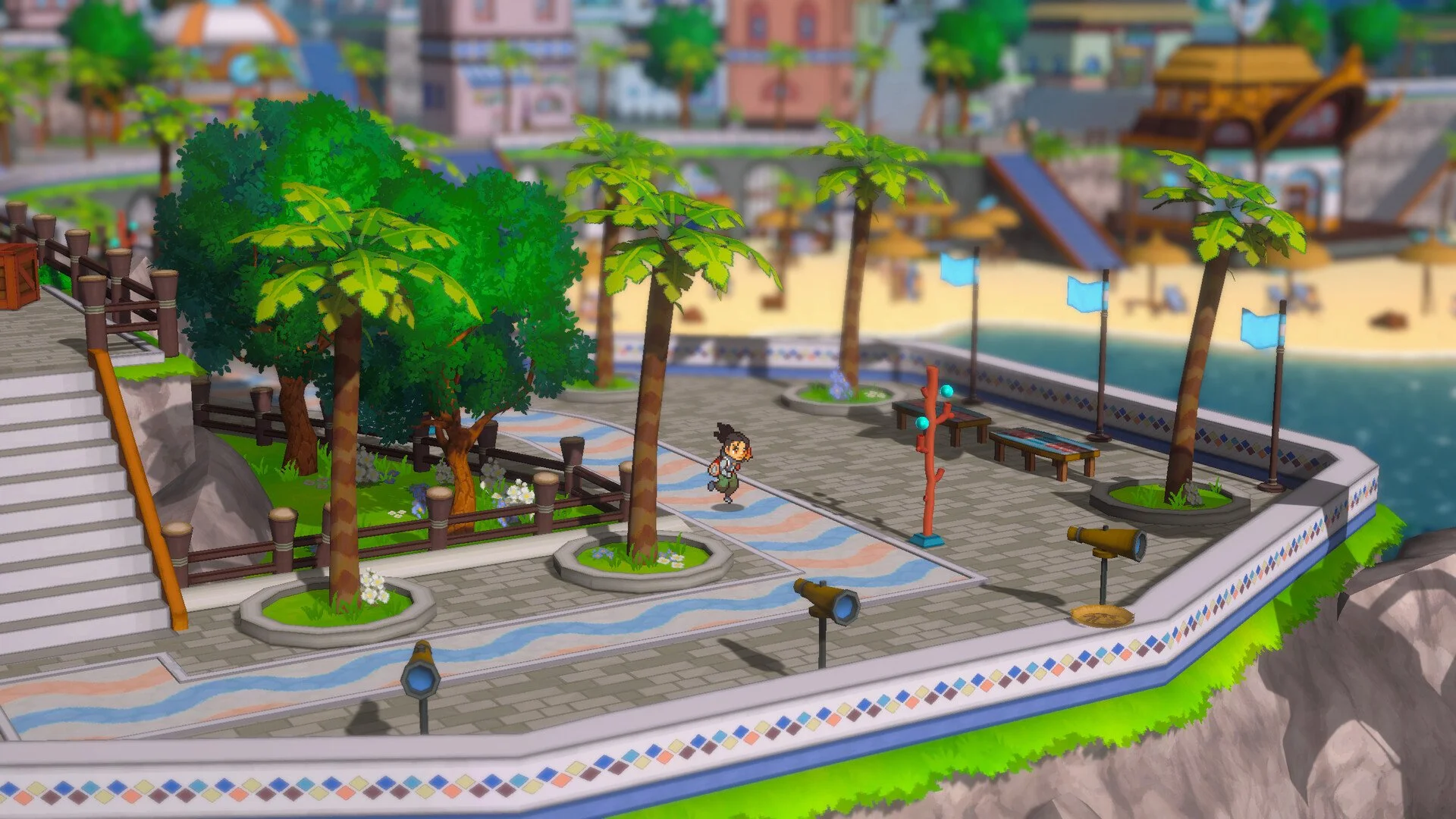
A journey that feels as inviting as it is alive
Memories of Trey feels like the developers exhaled and said, “Okay, let’s do this right.”, because while there have been countless monster-collecting games and clones in the past and will continue to be, Lumentale: Memories of Trey is much more polished and feels much more ambitious than your typical outing, especially since it’s more emotionally grounded and deliberate in how it unfolds. The narrative doesn’t rush, but it also doesn’t go into unnecessary territory for the sake of taking arbitrary left turns to “keep things fresh.”; instead, it lingers in that sweet spot where you feel like you’re in an extremely cohesive journey or fairy tale that’s as magical as you’re willing to make it.
What I find particularly interesting about the fairytale feeling and aspect, however, is that since this game is about memory, it does actually feel like a recollection of sorts. Something akin to, say, LIVE A LIVE or other classics like Journey, narratively and atmospherically speaking. These aren’t just in-game memories we’re talking about either, but yours as a player—your memory of the first time you played a game like this (especially if you’re a 90s kid), your memory of how these worlds felt, your memory of how these characters moved through their struggles and everything in between. It’s nostalgic without being stuck on the usual tropes of such, and it’s forward‑moving without losing the heart of what can make these types of games so special when it all connects.
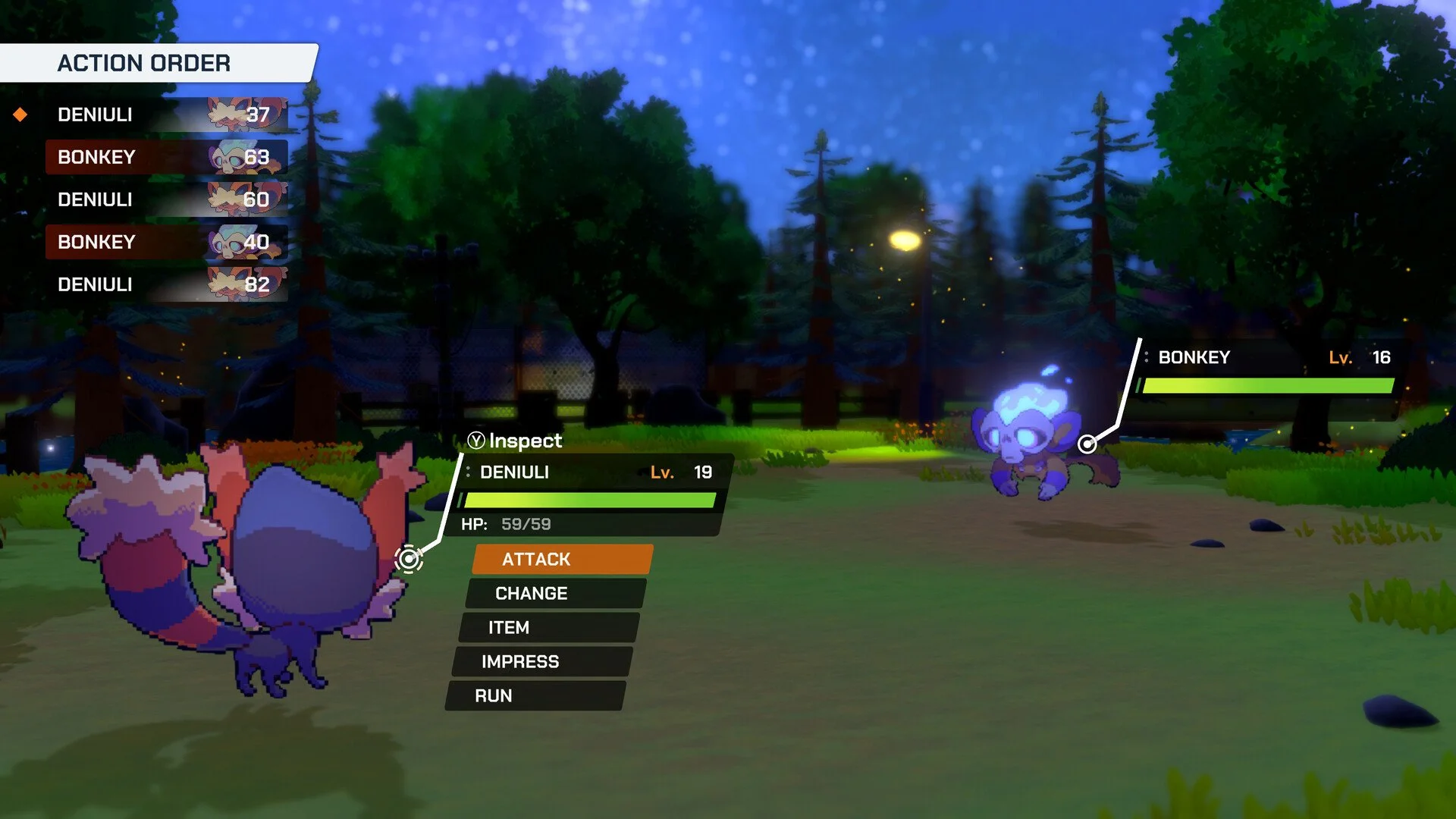
Exuding style in an endearing world
I’ve long maintained that the HD-2D art style that Square Enix invented almost a decade ago with Octopath Traveler is the best thing to happen to video games in a long time, and while Lumentale: Memories of Trey doesn’t go completely in the same direction, the influence is palpable enough that its striking design helps catapult it to one of the most visually pleasing games this year - and thankfully the gameplay keeps up, too.
Mechanically, Memories of Trey will feel familiar and then some—you’ve got exploration, puzzle‑leaning interactions, light combat, and narrative‑driven progression, but it all feels smooth. The controls are tight, interfaces are clean, and the Switch version in particular benefits from better optimization than I think most would realize. The puzzles feel intuitive, never going over the top or feeling like you have to find a guide, and the game does a better job of teaching you how it wants to be played while still giving that freedom to the player so it doesn’t feel too handhold-y. It’s simple yet provides intricate layers of depth for those that prefer it, is cozy in the sense that it respects if you want to switch to a more casual approach or game session, and leans more on atmosphere than tension. Even moments that can feel a little repetitive still feel intentional, like they’re reinforcing rhythm and routine rather than padding runtime.
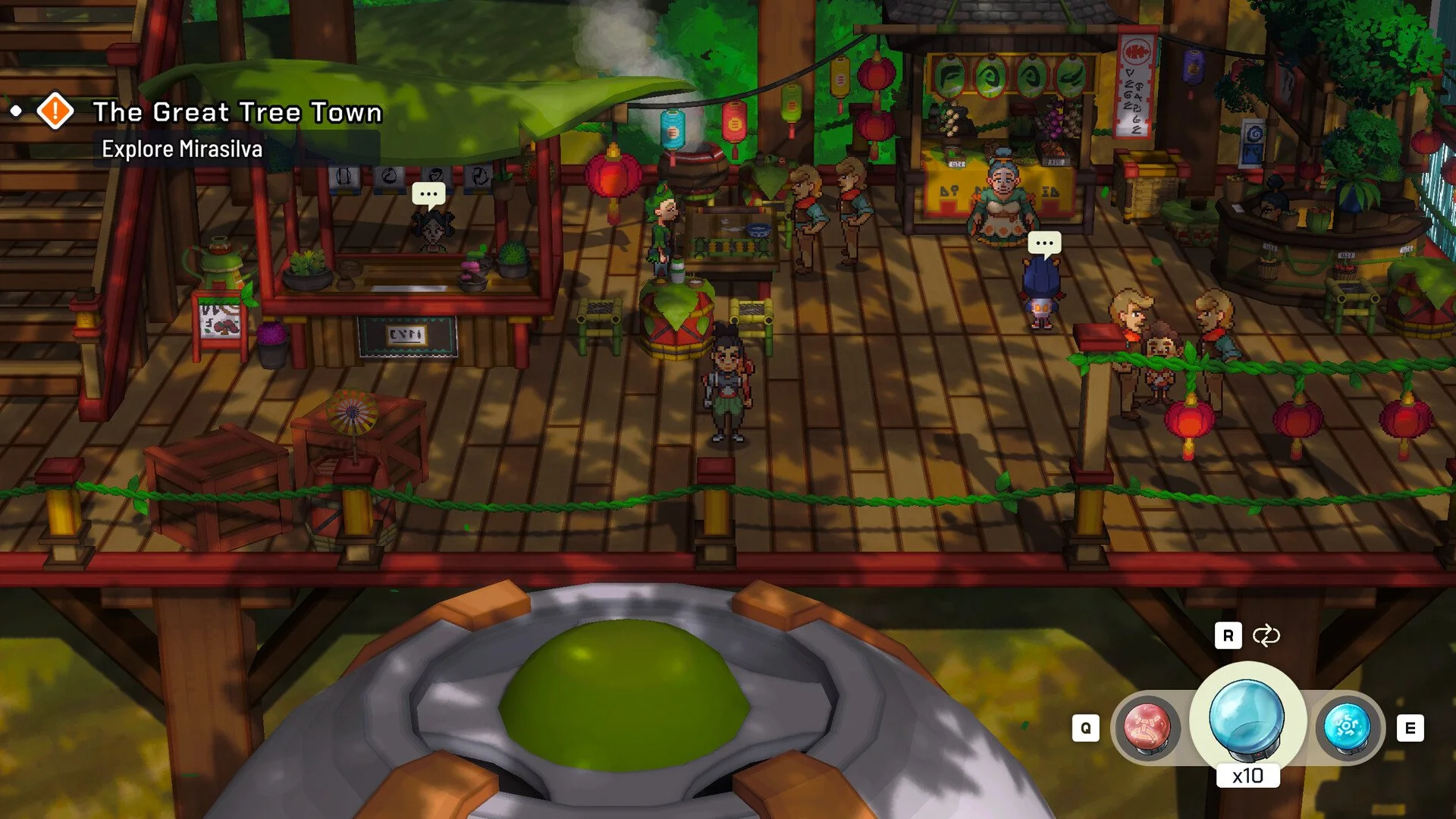
Pretty pixel palace
Though it’s been touched upon, I cannot stress enough that the pixel art in Memories of Trey is gorgeous in that understated way where you don’t realize how good it is until you stop and look - to smell the roses, if you will. The sprites have immense personality, the lighting is rich, and the environments feel properly layered. It’s still retro where it counts, still soft around the edges to feel approachable, and all does so in a world that breathes. There’s a warmth to the visuals that matches the tone of the story, and even the darker areas feel textured rather than flat. Character animations—as small as they are—carry weight and enough finesse to animate even the dullest of shapes. It’s the kind of pixel art that doesn’t necessarily scream for attention but earns it anyway.
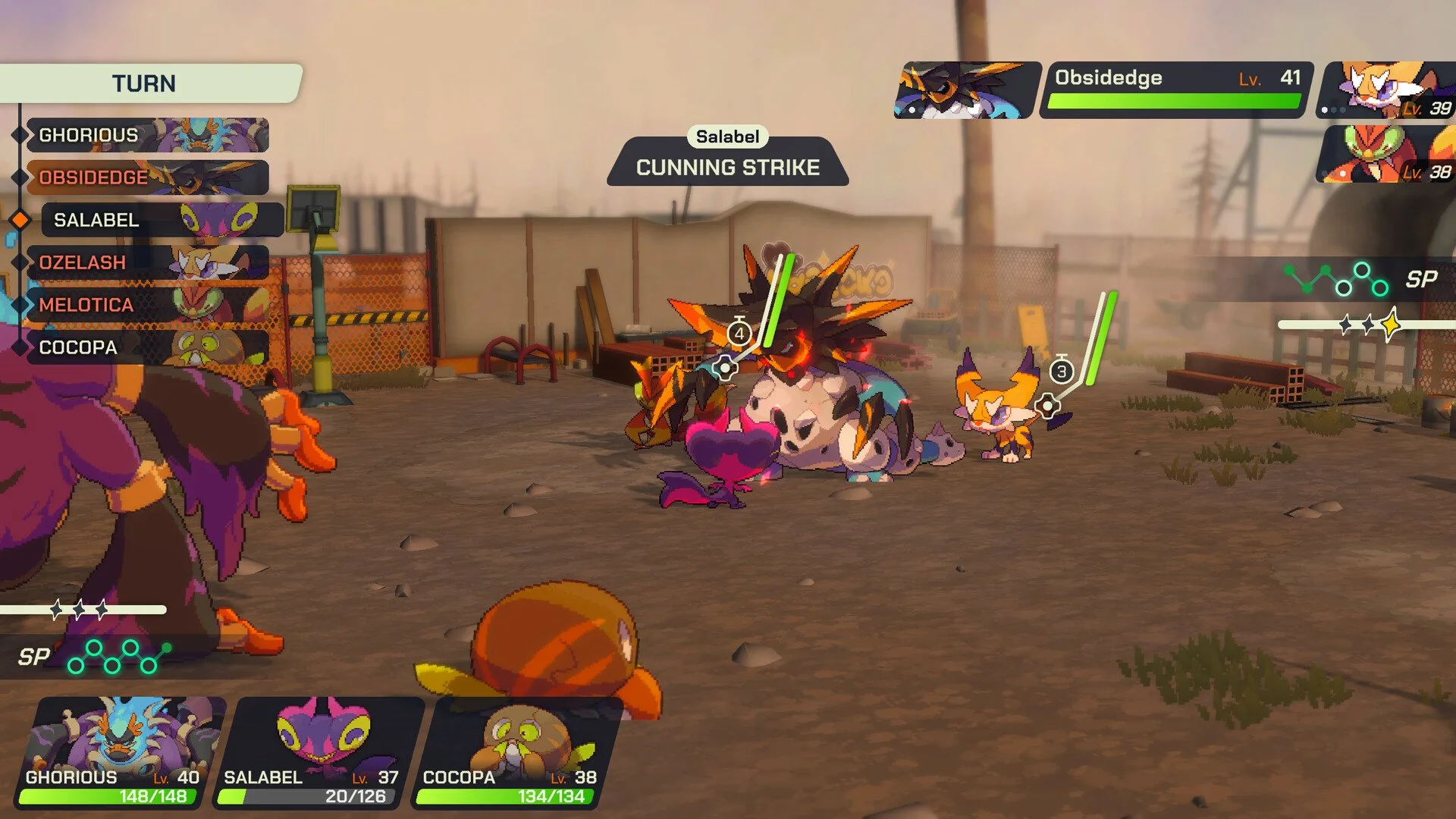
Overall, Lumentale: Memories of Trey is a great game that modernizes a formula that some companies have gotten all too complacent with, all while making it feel like a memory—familiar, warm, a little sad, a little hopeful, and ultimately better in almost every way, really taking on the phrase “what’s old is new again” and creating something truly enjoyable for those that grew up with these types of games and those looking to get into it. It’s a title that doesn’t try to overly reinvent the formula by any means, but instead polishes it up and presents it in a format and world you can’t help but feel enamored by.


PROS:
More grounded, reflective, and cohesive, offering a story and world that feels as nostalgic as it is refreshing.
Warm, rich, and expressive visuals that feel both contemporary and retro.
Gentle, memorable tracks that elevate emotional beats.
CONS:
A few sections linger longer than needed.
Players wanting deeper systems may find it too light despite its flexibility.
A few areas and story beats can feel underexplored or rushed.
A huge thank you to Beehive Studios and Team17 for providing us a copy of Lumentale: Memories of Trey for the purposes of this review!