Release Date: Sept 29, 2026
Developers: ION LANDS
Platforms: PC
Price: $24.99
“What if cyberpunk was cozy?” is a question no one has ever asked themselves, but a select few at ION LANDS challenged the notion and somehow made a viable product that works and taps into something truly unique, because this is one of those games that, when all the genres align and click with you, becomes incredibly addicting but in a controlled environment. What I mean by that is, Nivalis Nights does a tremendous job keeping things engaging and giving that feeling of "one more day" as you are spontaneously given a ramen restaurant to look after, but it's best enjoyed by focused one-shots rather than hanging in the chaos that you'll inevitably find yourself in.
There is some context worth touching up on beforehand because the gap and difference in style may surprise some: ION LANDS first brought players into their rain-slicked, neon-drenched world with Cloudpunk, and it was clear the studio had an undeniable knack for voxel-art world-building. Cloudpunk was well received and if you're someone like me who revels in any and all things cyberpunk and sci-fi, Cloudpunk did a fantastic job at using the setting in a different light, making it still stick out years later. With Nivalis Nights, ION LANDS attempts something far more ambitious than it's predecessor: blending life-simulation, business management, light dating sim, and narrative RPG mechanics into a cyberpunk metropolis that very much feels lived in, and the result is a sprawling, atmospheric experience that occasionally stumbles under the weight of its own scope, but ultimately offers an immersive slice of sci-fi life.
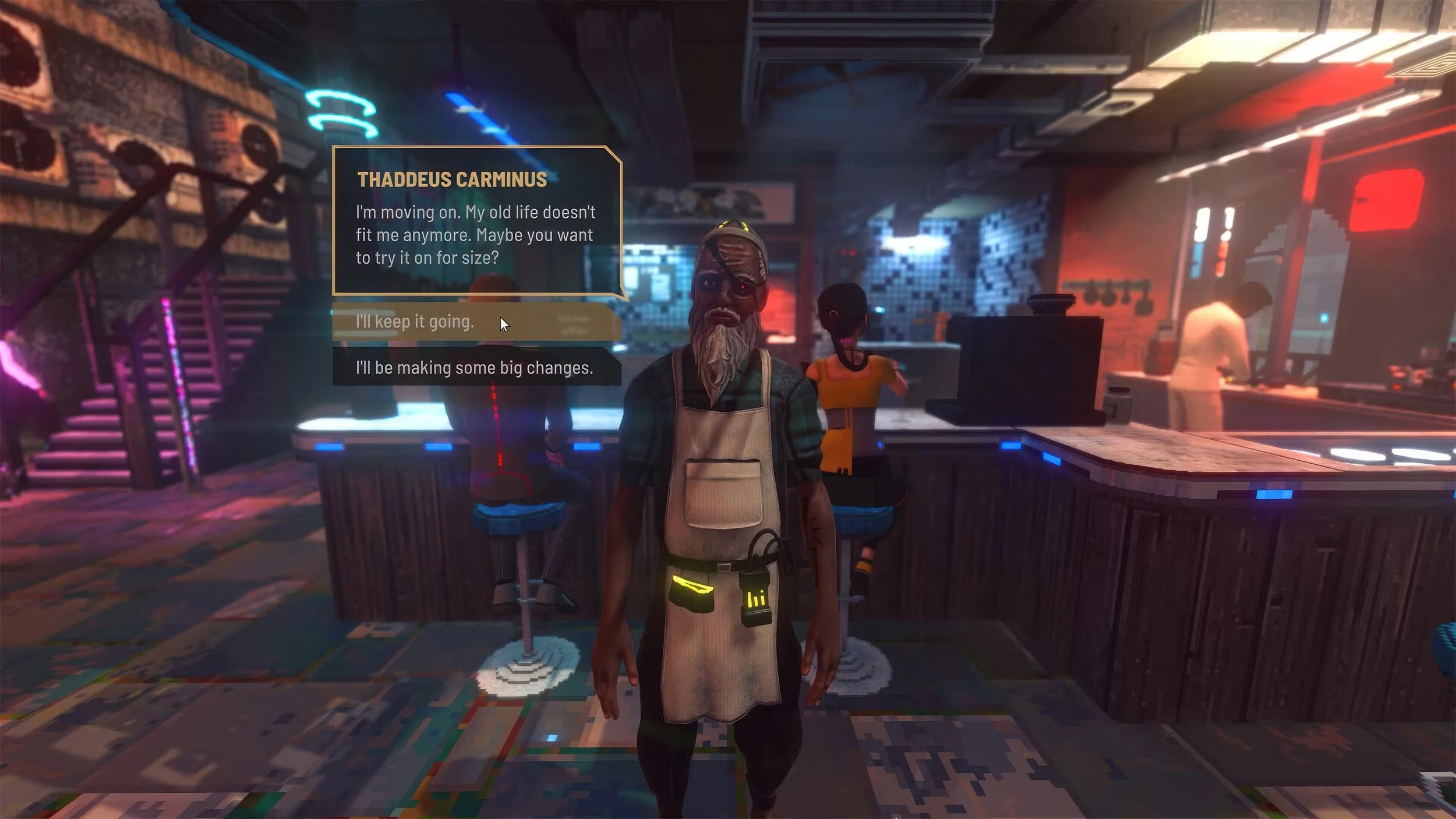
In Nivalis Nights, contrary to the popular tropes, you aren't a cybernetically enhanced mercenary out to save the world. Instead, you're an everyday business owner trying to carve out a life under the suffocating thumb of CorpSec—the mega-corporation controlling the city’s commerce and infrastructure. Sound something like 1984 or Equilibrium? The similarities here are incredibly strong.
Starting out with a modest noodle shop called Ramen Noir, your goal is simple on paper: manage your shop, turn a profit, buy upgrading equipment, expand into new venues, and work your way up the financial ladder. However, Nivalis Nights quickly proves it isn't just a cozy life sim; it feels more like a narrative RPG that happens to be wearing a shopkeeper's apron, and beneath the shimmering neon advertisements lies a darker thread involving debt collectors, shady underbelly deals, and a serial killer targeting heavily indebted citizens. The stakes feel high from the get go, and it keeps things feeling dynamic throughout your playthrough as you feel like you should be actively looking over your shoulder while doing something as innocuous as buying eggs for your shop.
But a massive sci-fi city wouldn't be much to talk about without its inhabitants, and where the game shines a good portion of the time is its cast of eccentric characters that come in all shapes and sizes. From a sentient vacuum cleaner seeking asylum from a former owner's widow to morally gray CorpSec agents, the city is overflowing with side quests and sharp, humorous writing. These people will just casually pass you by and can be seen with a chat bubble above their head, though not all will grant a quest for you to do - but most will, and it can become incredibly overwhelming when all you wanted to do was talk to passerby.
With all the quests infused, The core gameplay loop splits your time between daytime operations and nighttime exploration. During the day, you handle inventory management, decorate your properties, craft menus, hire kitchen staff, and do your best to keep customer ratings high. At night, the game invites you to step out onto the rain-soaked streets to go fishing, take part in local mini-games, build relationships, or engage in illicit corporate sabotage against rival venues. When the management systems work, they are admittedly extremely addictive, keeping every action and day just as engaging as the last. Everything can be expanded upon as well, with each new shop you obtain having the chance to reach luxury status depending on your investment. Sourcing cheaper ingredients, upgrading appliances, and decorating your venue to lure in high-paying patrons also delivers a satisfying sense of progression.
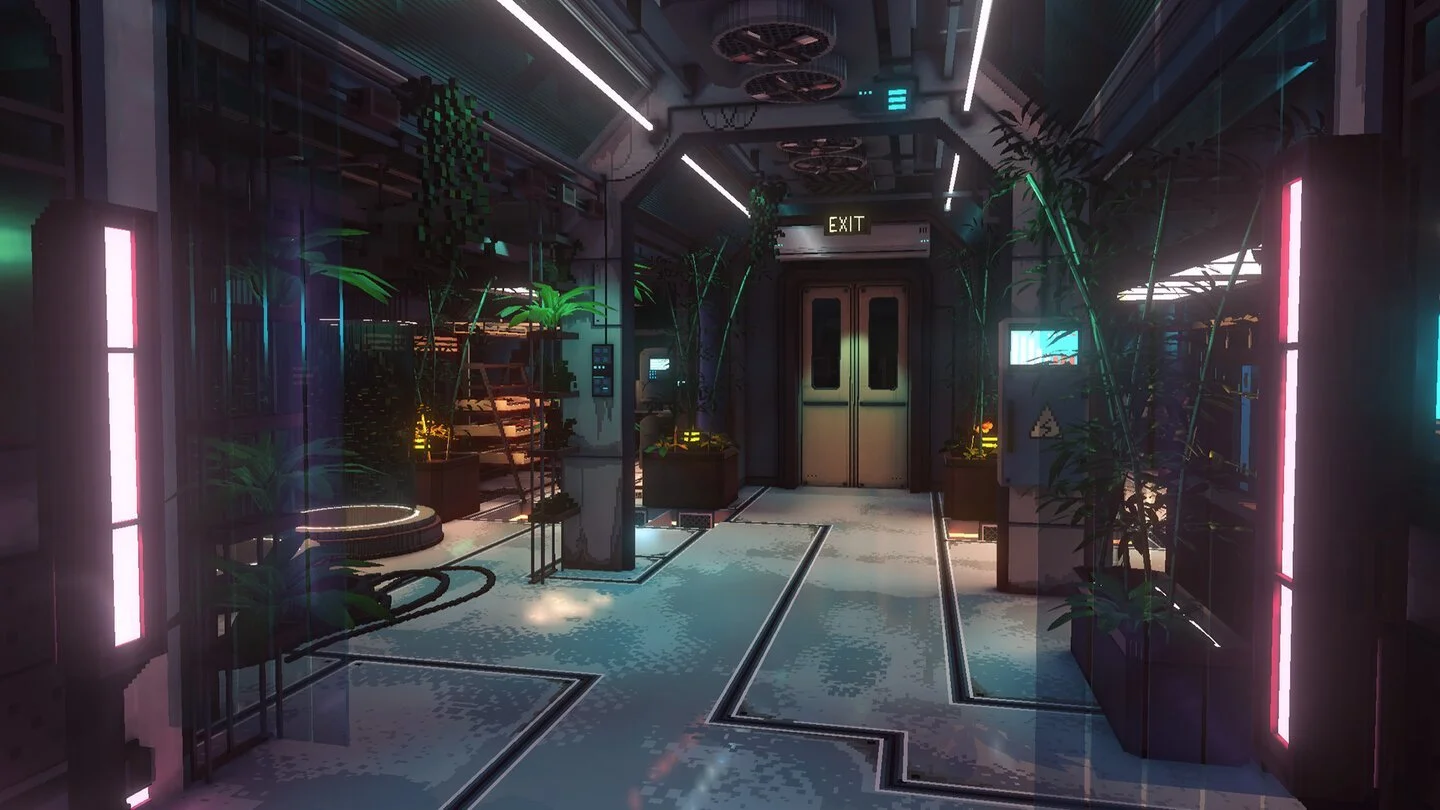
However, Nivalis Nights occasionally trips over its own excitement with so much to do despite a somewhat flexible day-to-day time system. For starters, the game bombards you with dozens of those aforementioned side quests that build up rapidly in your journal. Thankfully, these don’t have strict time limits, and you are free to complete them at your own pace, but keeping track of 40+ active questlines can feel overwhelming as you watch your UI and markers grow and grow to the point things look messy—the Ubisoft effect. At any given point during a day, while I would set clear goals for myself, it became apparent that quest juggling was just something you had to do, and as someone who doesn't like long lists of things piling up, what is meant to be a vibe in a chill cyberpunk area with a humble ramen shop to start (despite a looming serial killer) turns into a seemingly never-ending frustration that incites panic and worry.
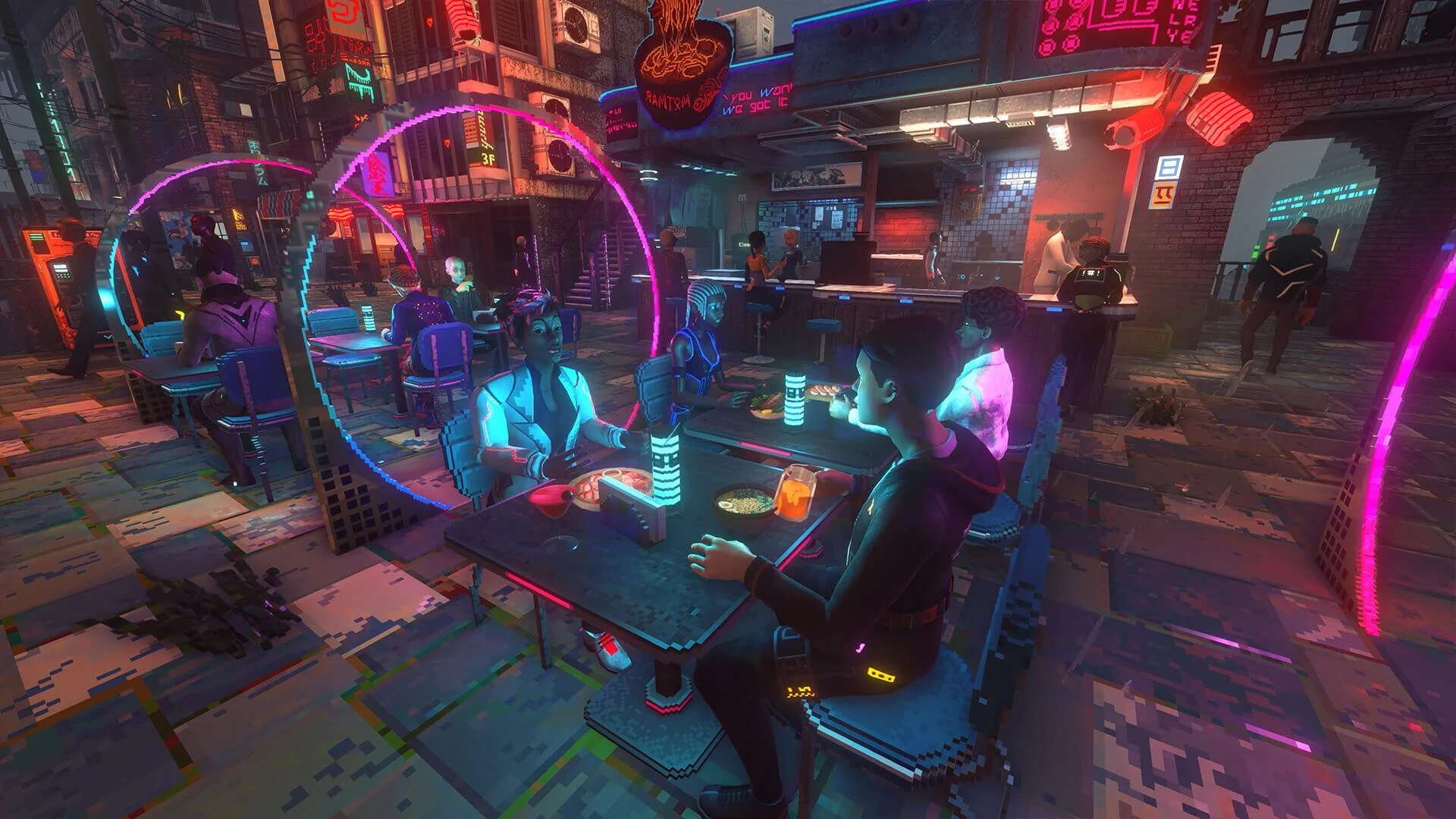
Secondly, while the visual presentation of managing a restaurant is lovely, interaction depth with the customers themselves can feel lacking. Appliance animations are typically static, and NPC behavior—such as duplicate character models frequenting your establishment—can temporarily break the illusion of that breathing, lived-in world.
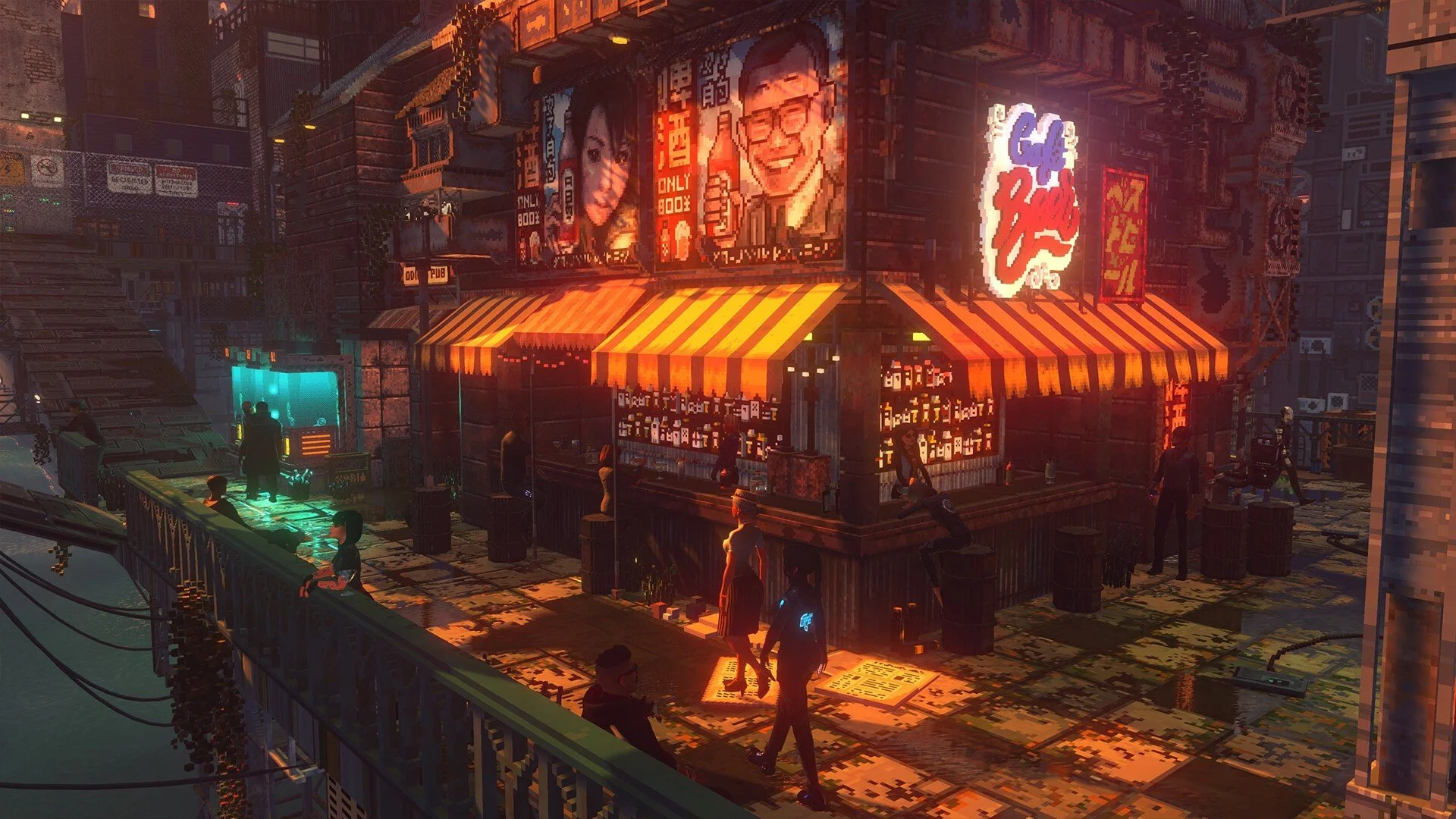
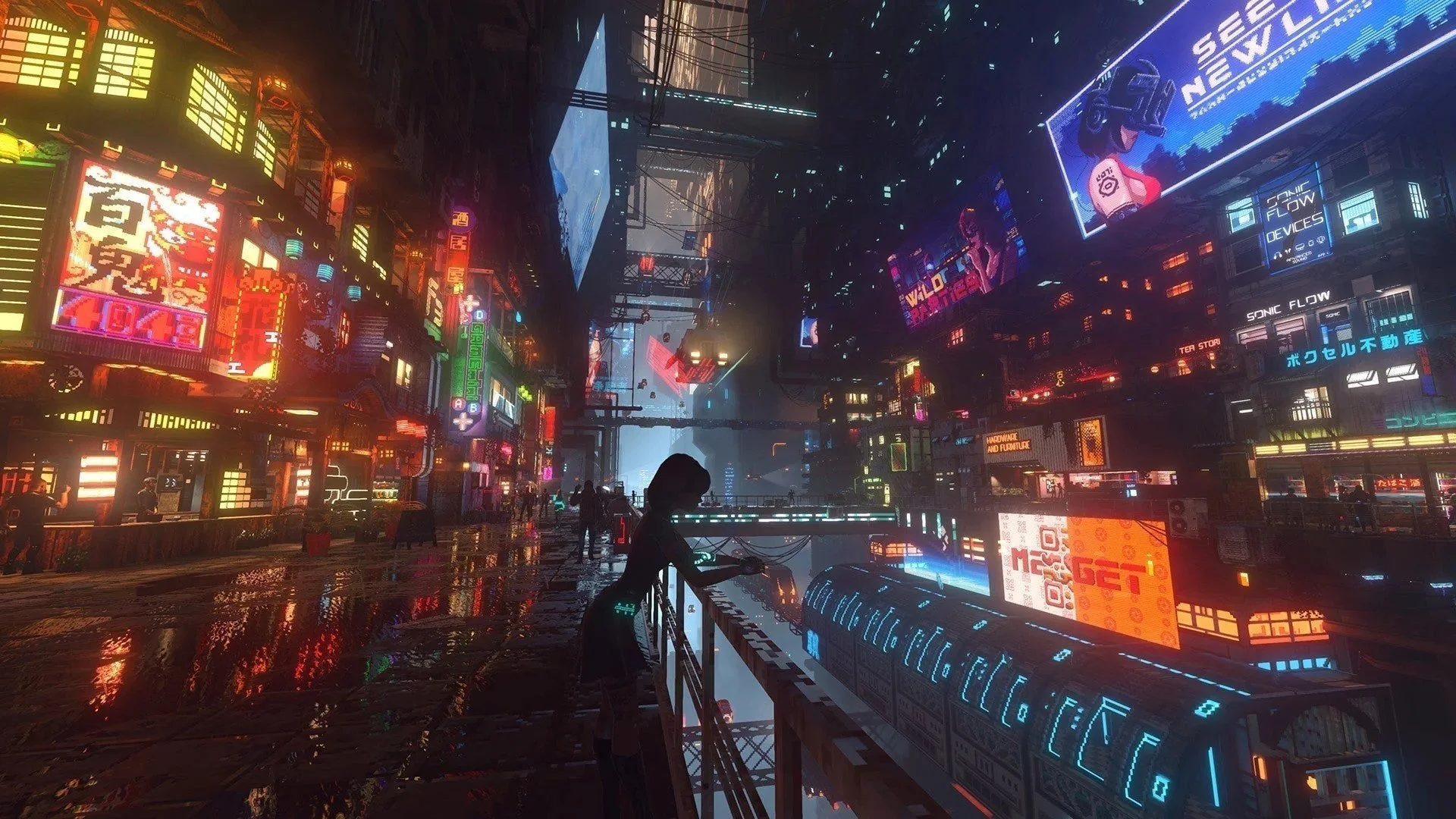
It’s absolutely worth noting that Nivalis Nights is arguably one of the most satisfying games in years, despite a few faults. ION LANDS has crafted one of the most stunning, vertically dense urban environments seen in modern indie gaming, making stunning use of the voxel approach and showing what can be done with it. The interplay of neon light through foggy rain, combined with a moody synthwave soundtrack that never fails to make me feel good, and full voice acting on top of it creates a hypnotic atmosphere that begs to be explored even when the initial exploration is limited (many more places will be accessible as you progress so you don’t feel confined to one place).
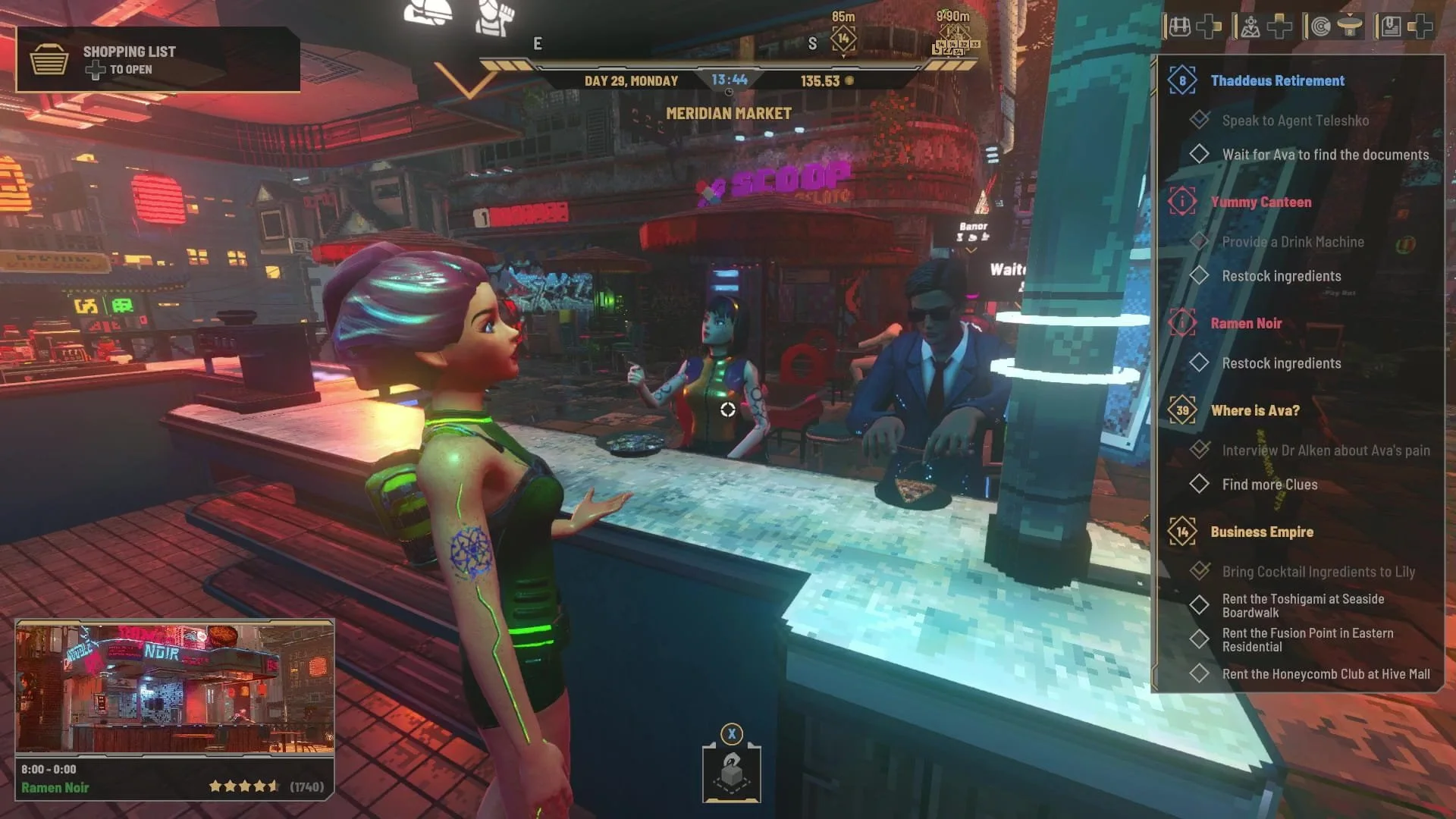
But on the technical side, navigation can occasionally test your patience. The city's massive vertical layout makes exploration fun, but the lack of an active minimap and a cluttered HUD compass bar from the influx of quests, shops, etc. can lead to navigational headaches that made me go in circles. This was especially annoying for me as someone who typically navigates using landmarks, but there are so many similarities in every direction you look that it’s easy to feel disoriented. Fortunately for the players, the developers have proven proactive post-launch, deploying frequent patches to address quest progression bugs and user interface issues. Worth noting as well is that performance is generally stable on mid-to-high-tier PCs, but navigating dense, crowded market districts can still cause minor framerate dips that don’t really change much despite a flexible settings menu.
Nivalis Nights isn't quite the razor-sharp business simulator or deep life sim some might expect because it’s so inspired by a multitude of genres and ambitions and achieves them in varying degrees of success, and if you approach it expecting flawless management mechanics, you may find it a bit unpolished around the edges; but if you enter with a desire to lose yourself in a neon playground, Nivalis Nights delivers an experience rich in charm, atmosphere, and heart that is surely to connect with and please most.


PROS
ION LANDS delivers a gorgeous neon-soaked voxel city filled with rain, atmospheric lighting, and a great synthwave soundtrack.
Sourcing cheaper ingredients, customizing your restaurant layouts, and managing menus offer a deeply rewarding management loop when it hits its mark. The growth feels genuine.
Focuses on slice-of-life sci-fi stories and quirky NPCs rather than world-saving heroics, making the setting feel genuinely lived-in and easier to follow.
CONS
The game bombards you with dozens of side quests that quickly clutter your log and make tracking objectives frustrating.
The lack of a detailed minimap combined with a crowded compass bar makes finding specific locations overly tedious.
Technical hiccups like frame rate dips in dense market areas and repetitive NPC animations break immersion.
A massive thank you to ION LANDS and 505 Games for providing us a copy of Nivalis Nights for the purposes of this review!