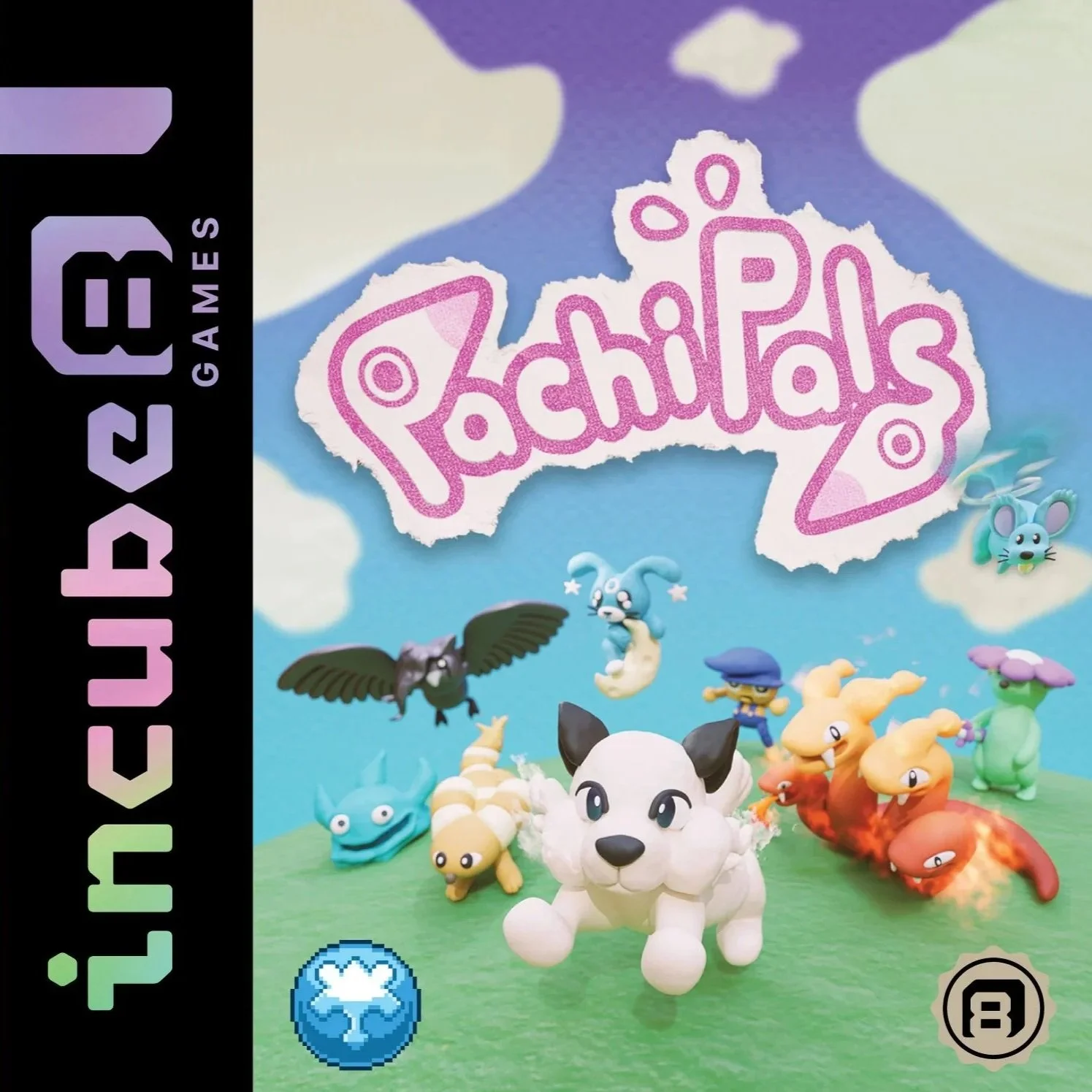
PachiPals, developed by Rebusmind, is a fantastic surprise that immediately captivates with its brilliant fusion of Game Boy Color classics. Drawing clear and huge inspiration from the Pokémon era—encompassing the mainline RPGs, Pokémon Pinball, and the Pokémon Trading Card Game—this title creates a wonderfully addictive amalgamation of some of the 90s and early 2000s greatest hits. For anyone born in the nineties, especially those who grew up with Game Boy RPGs in general, PachiPals evokes a powerful sense of nostalgia reminiscent of early Pokémon or Dragon Quest titles (especially Dragon Warrior Monsters), proving impossible to put down if RPGs and monster-collecting are your forte.
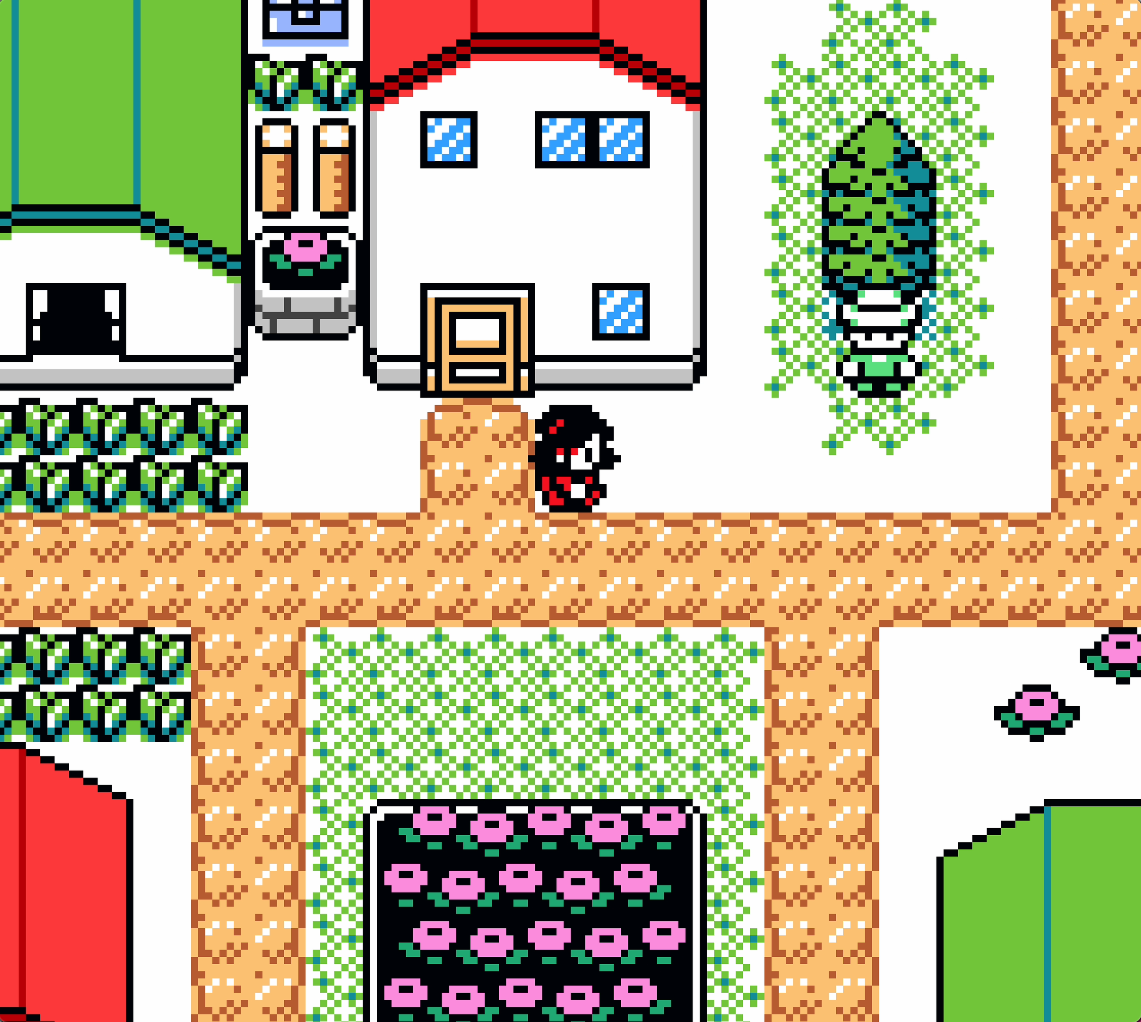
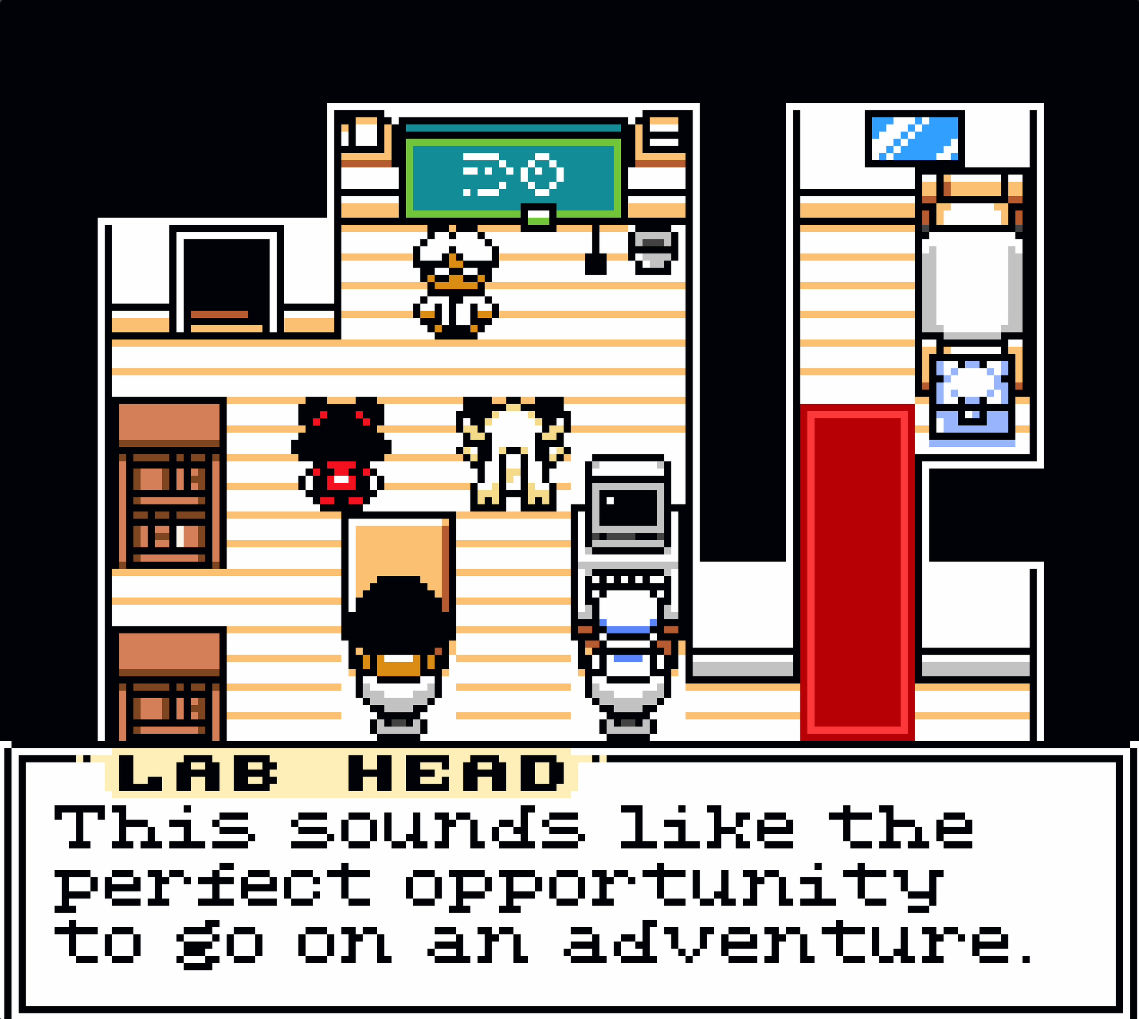
Set in the quiet seaside village of Avant Haven, PachiPals opens with the protagonist (whom you are able to name and choose the gender of) stumbling upon a strange, unidentified creature that throws the local community into curiosity. This discovery propels you into an adventure across the region of Astria, where you uncover hidden secrets, discover rare loot, and work to solve the origin of the mysterious monster. As you begin to journey through different biomes, you can set up campfires for quick travel, recruit and battle up to 100 unique PachiPals, and shape your own path through a story that features multiple endings based on the choices you make. This light narrative change that tailors to your decisions gives the game a more modern feeling in that regard, giving players a distinct playthrough dependent on these choices rather than a static predetermined flow. It gives more weight to the story and your experience while playing, and while I believe PachiPals would have been great even with a singular outcome, having that player flexibility and agency really makes the experience feel a lot more personal.
The gameplay itself alongside the story masterfully incorporates pachinko mechanics, which perfectly justifies the "pachi" in its name, delivering a nostalgic experience that feels contemporary, and also making it a joy to play on a device like the Logitech G Cloud with Afterplay.io or any other device that supports it (which is virtually everything). Thanks to Afterplay's seamless and revolutionary library and cloud integration, I was able to pick up right where I left off and play the game on multiple devices such as the Logitech G Cloud, multiple Android phones, an iPhone, various Android tablets of all shapes and sizes, an iPad mini, Steam Deck, outputting to a TV, and multiple computers spanning across Windows and Mac as desktops and laptops, and every single one felt fantastic to play on and look at. My only regret at the time of this review is not having owned something from Retroid, Ayaneo, Analogue, Anbernic, etc., to get a more authentic experience from their Game Boy-styled devices.
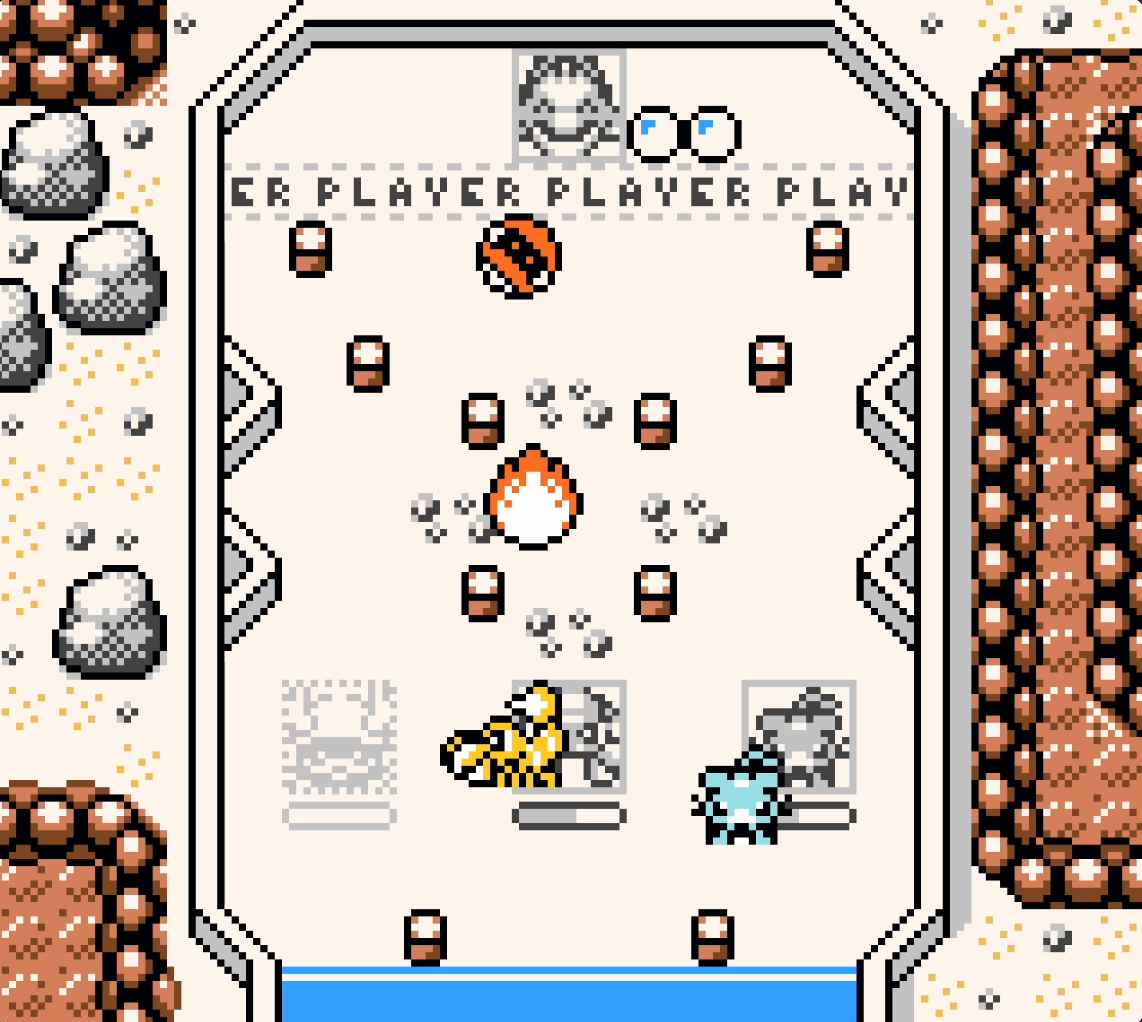
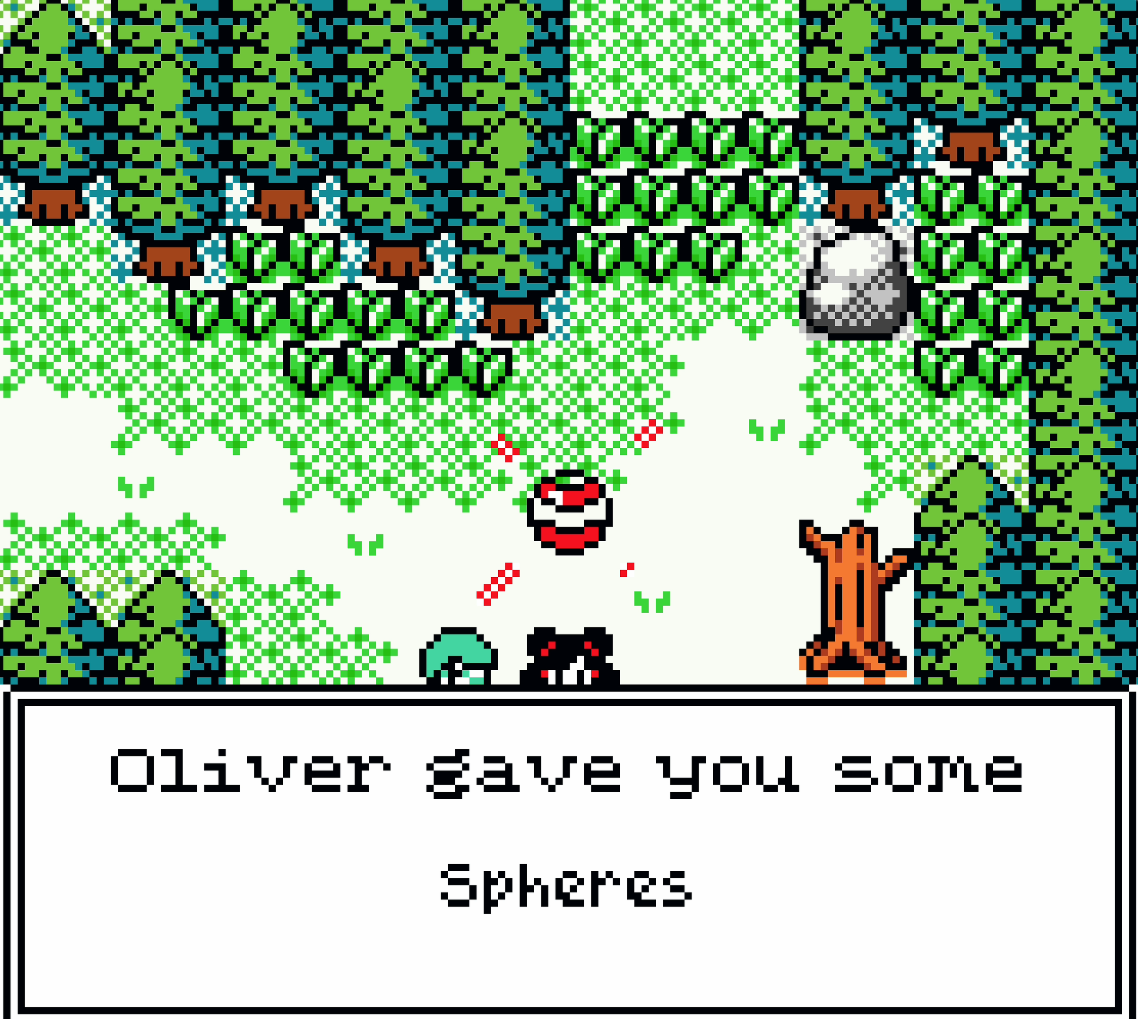
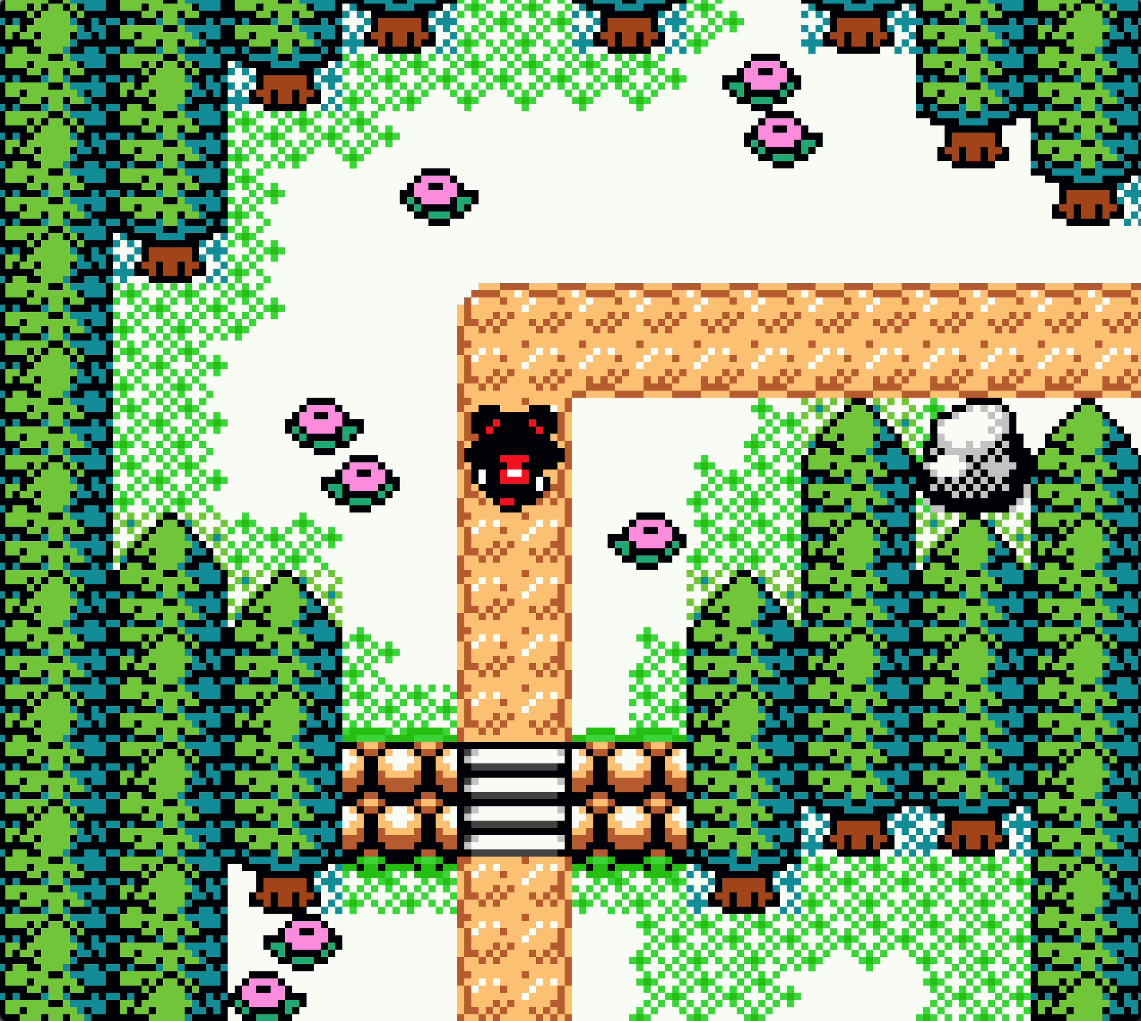
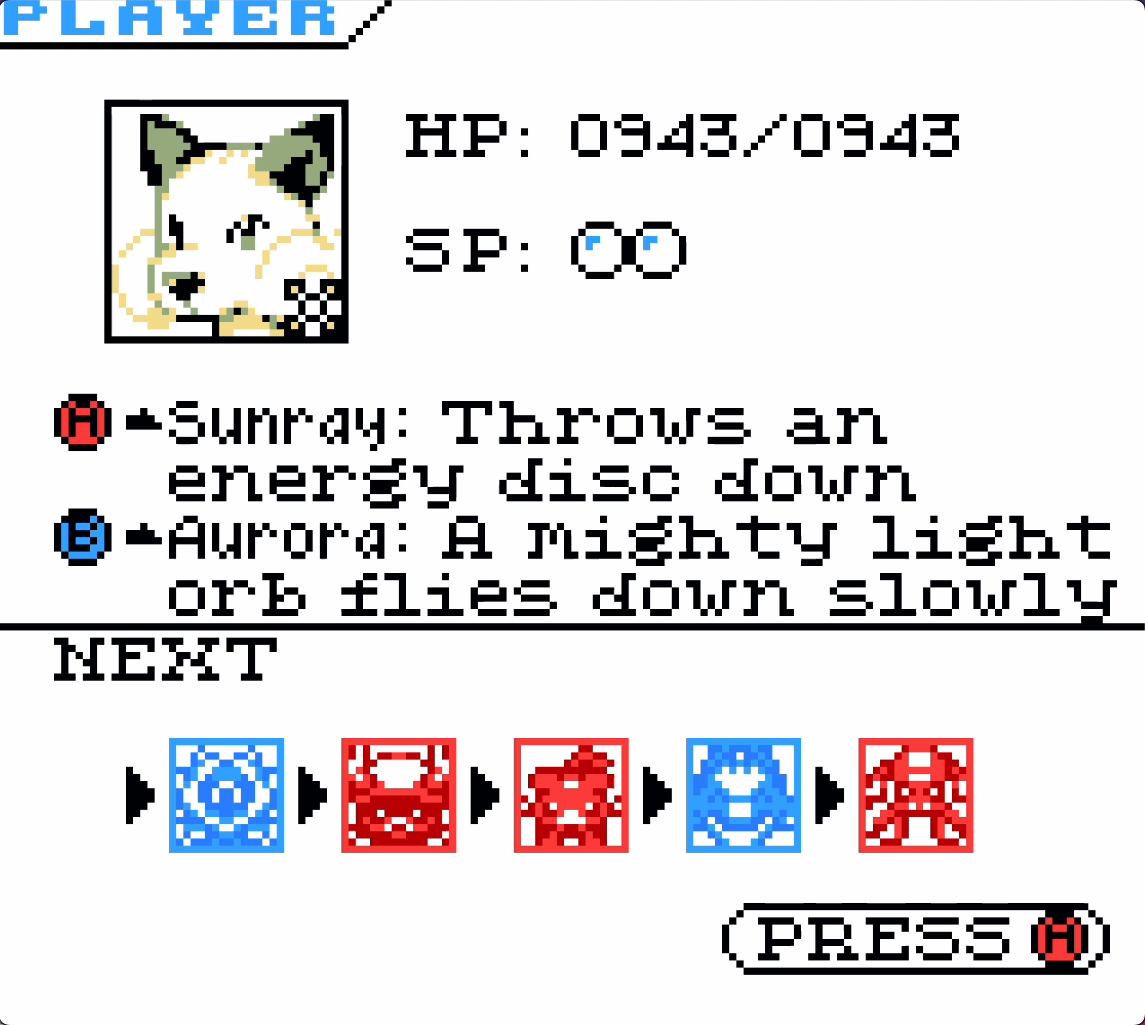
Despite all its inspirations, battles in PachiPals offer a satisfying change of pace, triggered by stepping into grass before a period of time passes and the screen transitions to black with dramatic music, bringing you to a random board with up to three monsters placed at the bottom of the screen that you'll find yourself going up against. These encounters are less about catching and documentation and more focused on earning experience, making them perfect for grinding. Once in battle, this is when the combat mechanics shift to a pachinko-style setup, where you strategically drop spheres from the top of the board and let physics take over. Since PachiPals is built with Game Boy in mind and with a Game Boy engine, you'll have an authentic experience in how the spheres will interact and utilize its physics. More often than not, you'll likely be wondering why it feels a bit janky or off, but honestly, this added more charm than not for me, and given the era it's "from" and that it's not just something developed in the Unreal Engines or Unitys of today, it makes sense, and the unexpected challenge that comes from having to think a little differently about how the physics will translate in a game like this adds a level of fun that may or may not have been intentional, but appreciated nonetheless.
Once the ball drops, it will go through obstacles of various shapes and sizes before coming into contact with the monsters below. If they connect, HP will dwindle little by little, turn by turn with each consecutive hit until eventually it reaches 0 and you win - that's assuming the enemy doesn't get a one-up on you. When your turn ends, then it's their turn to drop the sphere and be at the mercy of physics and trajectories. The same rules apply, leaving a fair experience across the board for both you and the NPCs involved.
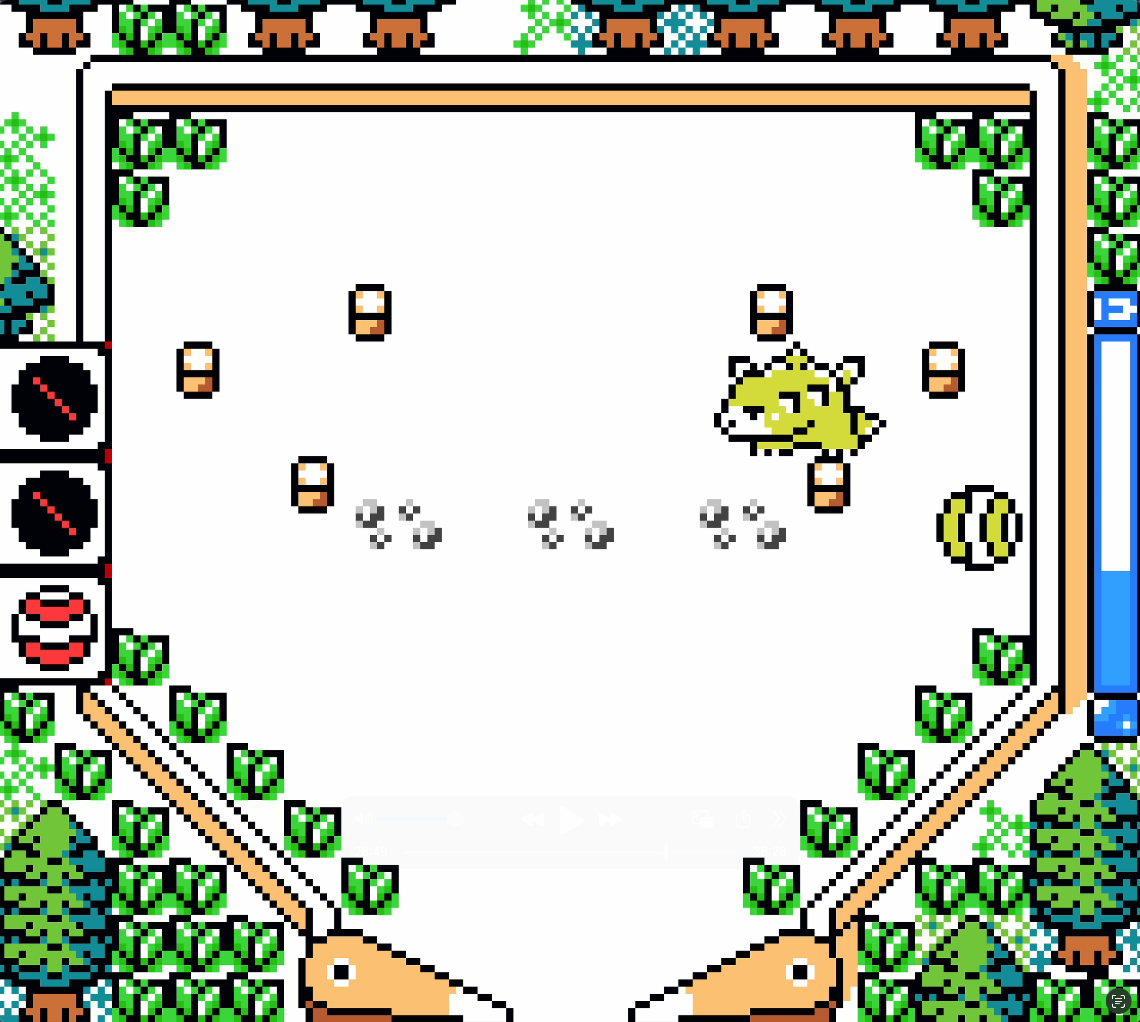
When generally exploring, however, encountering visible monsters in the overworld gives you the opportunity to catch them. These monster battles in PachiPals are another standout, seamlessly shifting into engaging pinball-style gameplay. You'll use the D-pad and buttons to control the left and right flippers respectively, aiming to hit the roaming monsters in the field and deplete their health bars. The physics once again add a distinct challenge and authenticity, and these are rather challenging and still have an immense amount of enjoyment involved if you love pinball (which everyone should).
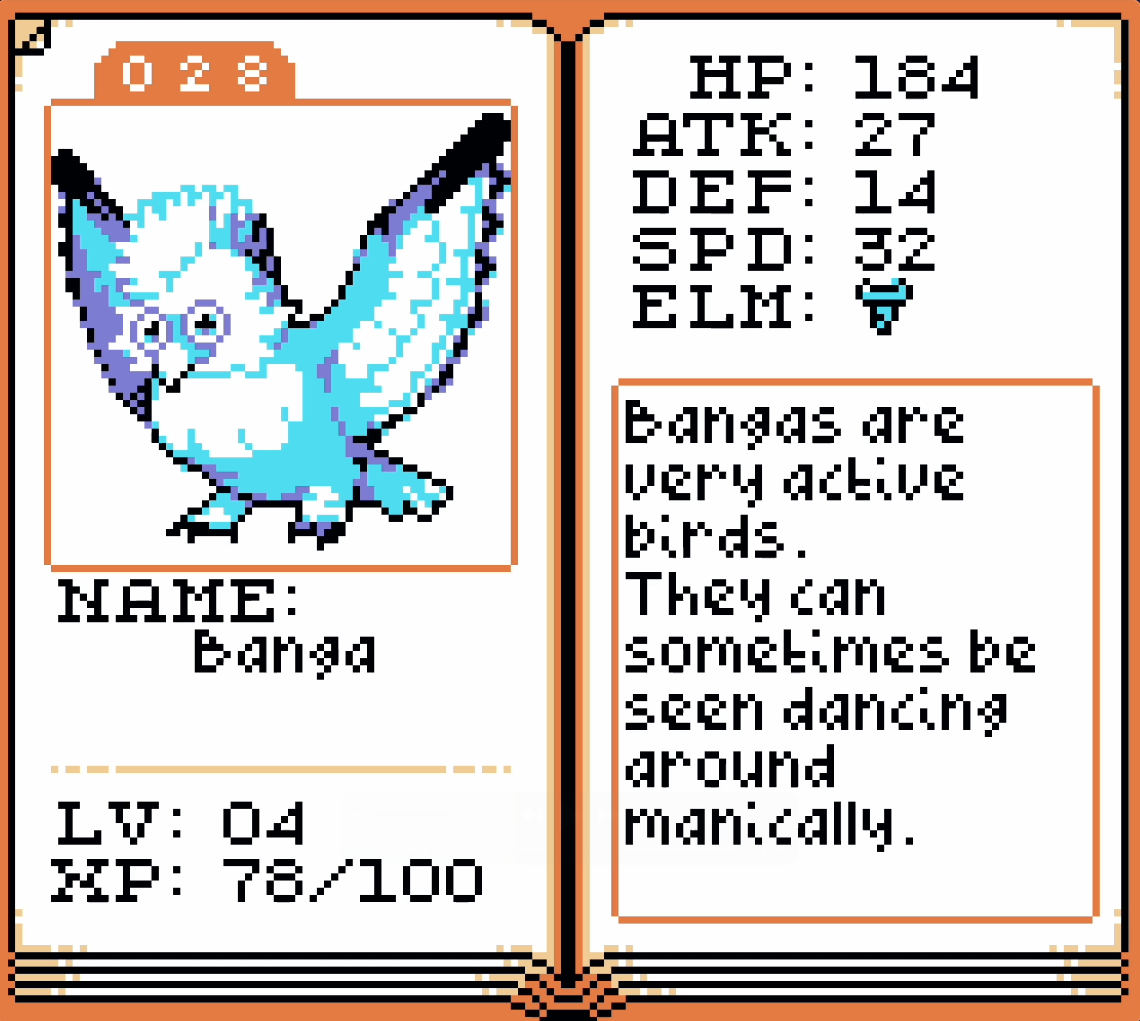
Once caught, you'll add your new monster to your party of six and can utilize whichever three you want in fights. Though some may find the separation of catching and XP-gaining a bit cumbersome, my appreciation stems from the fact that you know the clear distinction between which areas do what and how to utilize each throughout your gameplay. It also makes the monsters you can visually see in the overworld feel a lot more premium since it's typically only one at a time, giving them a sort of luxury or "legendary" feel when encountering them before having them go on your adventure with you. It gives each of the 100 PachiPals a chance to stand out and make a name for itself without bombarding you with so many to catch from the get-go, providing a more drip-feed approach versus a buffet of monster-catching goodness. Both are great, but I'm happy to see the lesser-used approach be utilized here. It's an odd comparison, but think of it as coming across each Colossi in Shadow of the Colossus -- each encounter is monumental and memorable, making it worth your while.
So far, we've discussed so much about PachiPals and what it does to make the old feel new again, but we can't talk about some of Game Boy's greatest moments without mentioning the music that makes the adventure feel magical. In PachiPals, the music is a true love letter to the 8-bit era and, quite frankly, a massive achievement. Rebusmind has crafted a soundtrack that captures the soulful essence of Game Boy Color audio, balancing incredible nostalgia with a fresh, contemporary energy, and while these are entirely original compositions, they resonate with a profound sense of familiarity that complements every moment of the journey -- the score is simultaneously soothing, inviting, and exciting, masterfully driving the events forward in tandem with what's happening on screen and the strategies in your mind. Thanks to that familiarity, it's easy for it to further resonate as it guides you through the world of Astria. In an era where sound was the primary storyteller before voice acting and complex sound design became the norm, this vibrant soundtrack becomes the very heartbeat of the adventure, giving its city, narrative beat, and route a distinct and memorable feel. Something like you've been there before in a past life.
Overall, PachiPals is a phenomenal achievement that beautifully marries retro nostalgia with deep, addictive gameplay. By blending Game Boy Color-era influences with masterful pachinko and pinball mechanics, Rebusmind has created a refreshing, innovative RPG journey that feels like a welcome home to those who grew up with these kinds of games and yearn for a simpler time, making it an absolute must-play for any fan of classic handheld gaming.


PROS:
Its unique take on turn-based battles, utilizing pachinko, pinball, and monster-collecting mechanics in the most creative way possible makes PachiPals a standout feature amongst the ever-growing genre of titles that try so hard to capture (or capitalize on) the nostalgia.
It's a short, bite-sized adventure that never overstays its welcome and, if anything, begs for more due to its excellent progression and pacing.
It’s available digitally for $13.99 or as a physical release for $49.99, which are more than reasonable for having such a great experience and an authentic collector's item to feel like you're in a time capsule.
CONS:
It's a shame, as of now, more people can't enjoy PachiPals outside of Afterplay. Make no mistake, Afterplay.io is an incredible service, but locking it to physical copies and limited releases such as this is a bit of a detriment to the reach it could have for something so great, connecting with a larger audience around the globe.
Despite a fantastic world, more detail in the cities would have been appreciated. Windows also are odd as they look either open or broken and can easily confuse.
Our heartfelt gratitude to Incube8 Games and Rebusmind for providing us a copy of PachiPals for the purposes of this review!