You Can See Everything is truthfully a triumph in filmmaking, and that statement has less to do with its narrative and more to do with how its DNA is constructed.
Rarely—almost to the level of a big bang event—does something occur where there is no feasible way to explain how it exists other than the fact that it simply does. You Can See Everything is, to me, the Higgs boson of film making in the sense that it encapsulates everything we know in existence about life, arts, humanity, science, etc. into a single unified piece.
"The universe is made of stories, not of atoms" – Muriel Rukeyser
Everything you ever knew about how a story is told, how something is or should be filmed, how a genre is utilized, how a camera shoots, how information is digested, all gets turned on its head and recapitulated with You Can See Everything. What begins as a clear cut yet beautifully shot documentary becomes something transcendent as you begin to witness metamorphosis at play. The craziest part is, the transformative nature of everything on screen doesn't belong to a single individual or subject as one is led to believe. Layers upon layers begin to unfold in the most unorthodox of ways, and you sit there transfixed as you witness a profound scenario of humanity at its most tumultuous and equally mysterious state.
"Human consciousness is just about the last surviving mystery... a topic that often leaves even the most sophisticated thinkers tongue-tied and confused. And, as with all of the earlier mysteries, there are many who insist - and hope - that there will never be a demystification of consciousness." – Daniel Dennett

You Can See Everything is a film that begins as a documentary and yet leads you down a path of almost thriller and horror-like screenplay, all while borrowing from the likes of drama and romance. What starts out feeling genuine becomes a questionable trek of "what is real?" and, most obviously, "what is true?". You Can See Everything feels like an amalgamation of everything ever made in every medium and compiling it as the definitive melting pot of storytelling and artistic techniques.
More so, You Can See Everything might also be unintentionally (or intentionally, depending how you look at it) and unequivocally the best study in film for psychology, the computational power of the mind, how environments and exposure influence human psyche, and how the brain adapts and interprets the meaning of survival. I think the thing that makes this most fascinating amongst all this is that while you see everything, you also question everything.
"Perception is not observation, perception is prediction. The brain doesn't care about observing, it only puts forward a self-serving illusion" – Abhijit Naskar
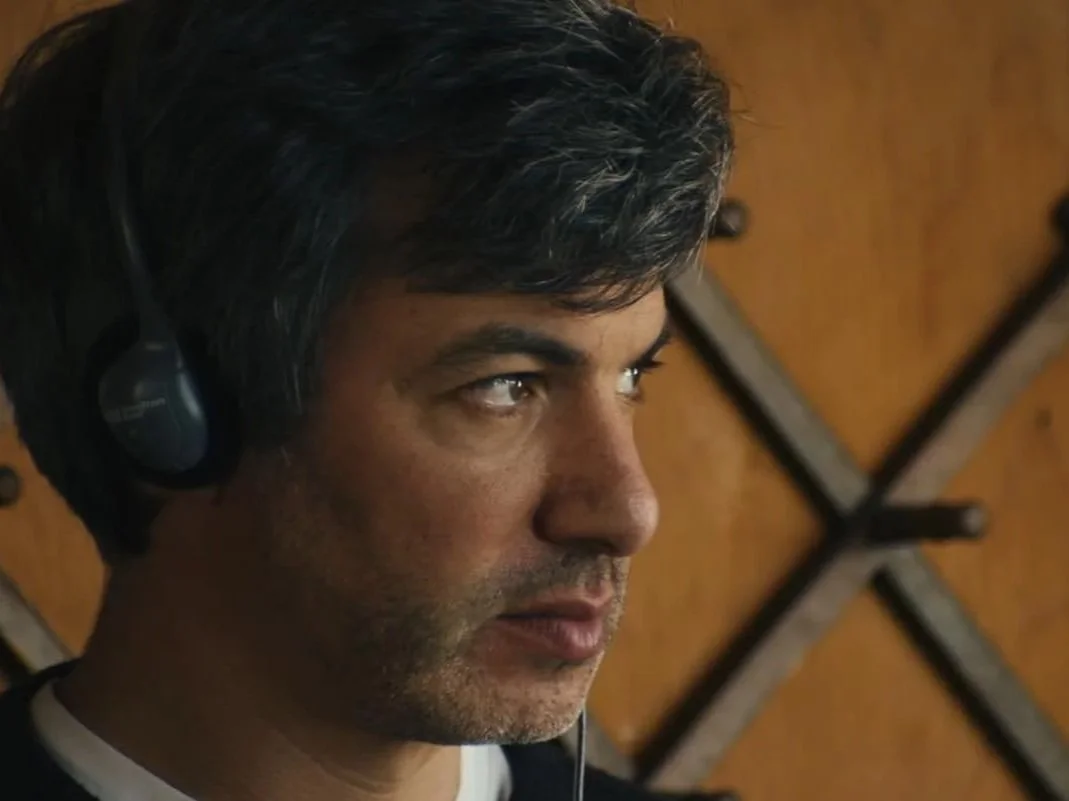
Do your eyes deceive you? Does your mind play tricks in favor of a preferred outcome, substituting truths for lies and lies for truths? Creating a lie with enough weight to make it be true, or have? A truth so innocuous and benign that it can be misconstrued as a white lie?
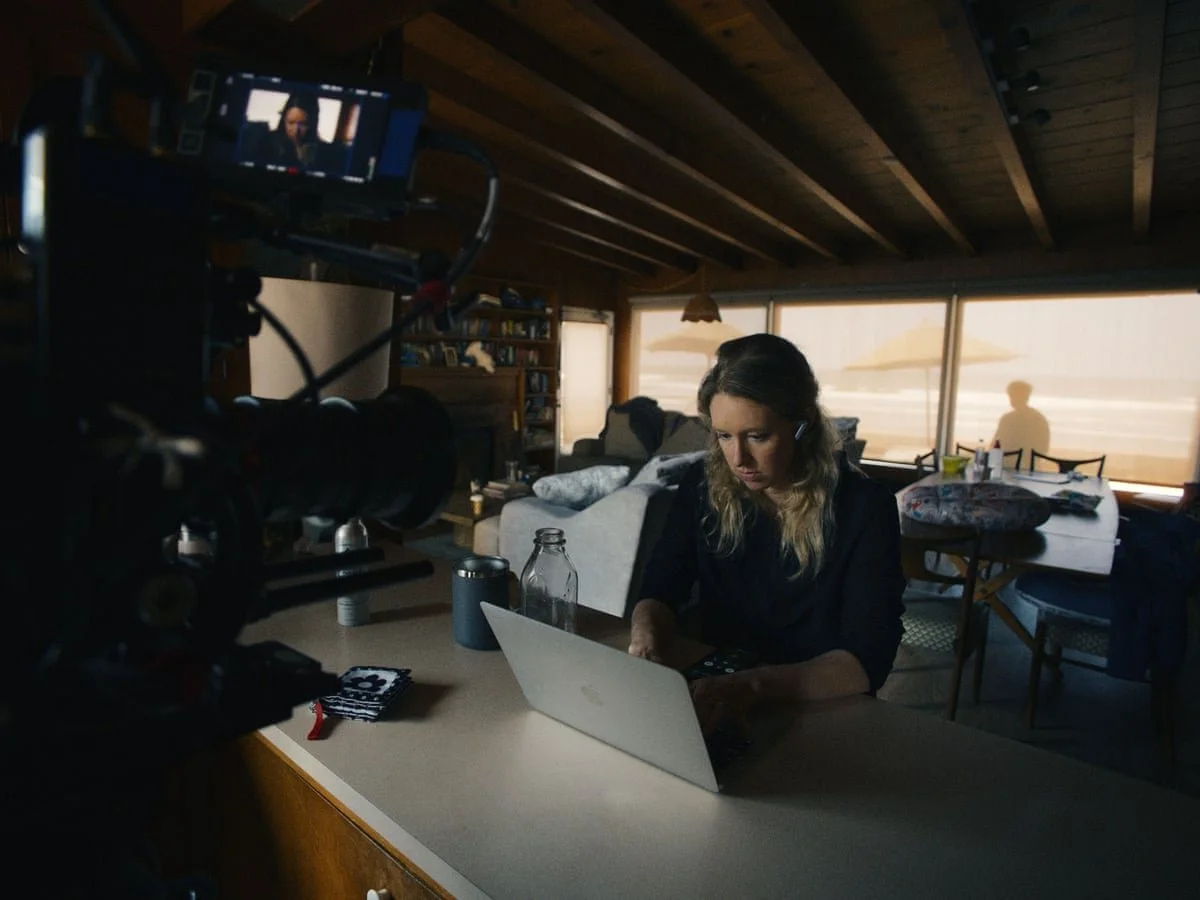
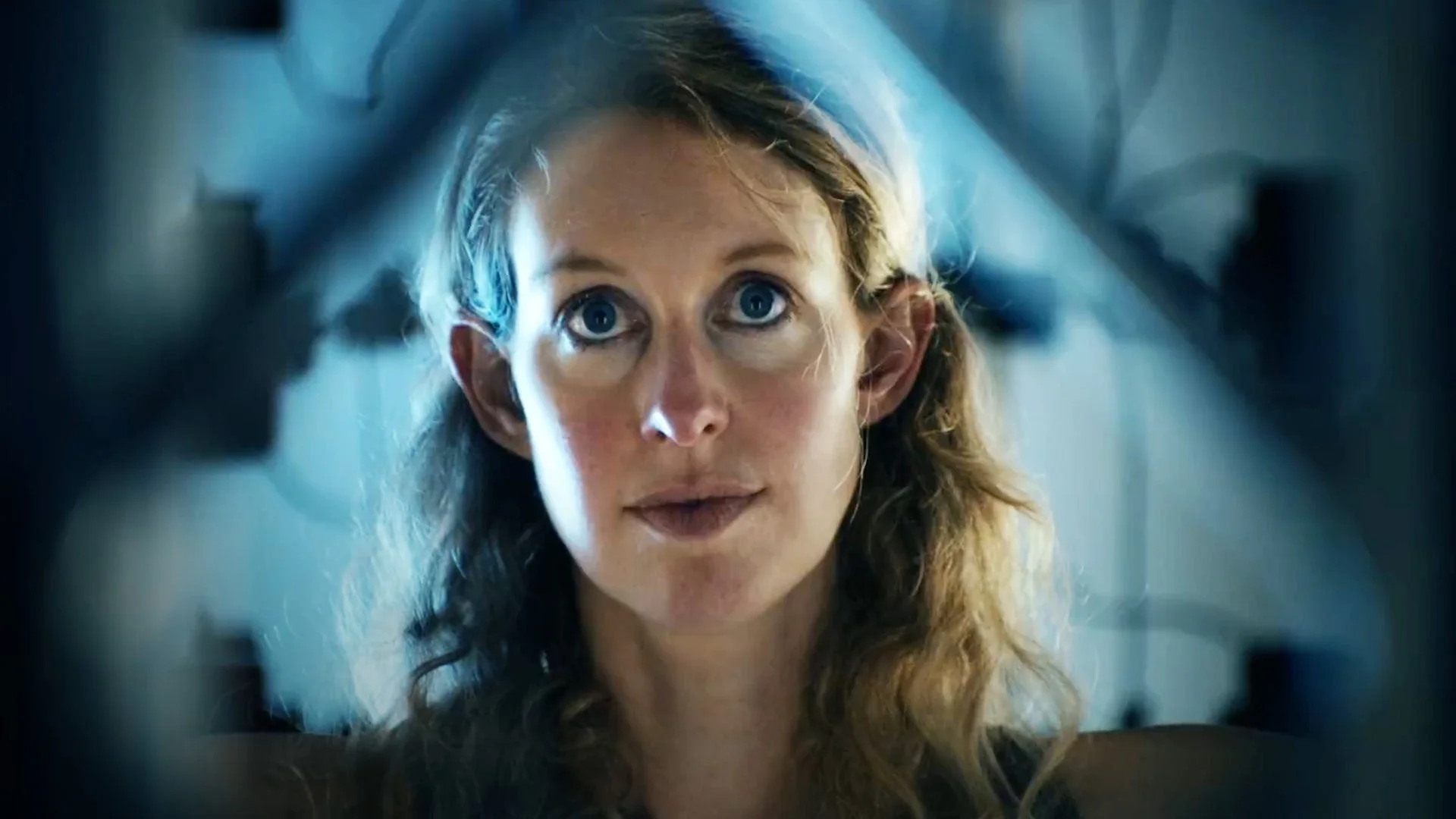
These questions aren't just directed at Holmes either, but begin to spiral into an onslaught of uncertainty across everyone involved. When does innocence become a ruse, if it ever is one, and when does abuse become a front? Every emotion displayed, word spoken, and action taken blends into each other in a way that eventually nothing feels real even when it's happening before your very eyes-and as it's said in the film: A magic trick. But when is that trick utilizing real techniques in the guise of magic to keep authenticity at its peak, despite the belief that it's theatrical. If it's theatrical, it's entertainment, but if it's real, tangible, and emotive, it's human. But what if the theatricality is inherently human, using magic as entertainment to manifest truth? At what point do you believe a mirage in the distance that's remained long enough is actually physically there?
"What you see and what you hear depends a great deal on where you are standing. It also depends on what sort of person you are." – C.S. Lewis
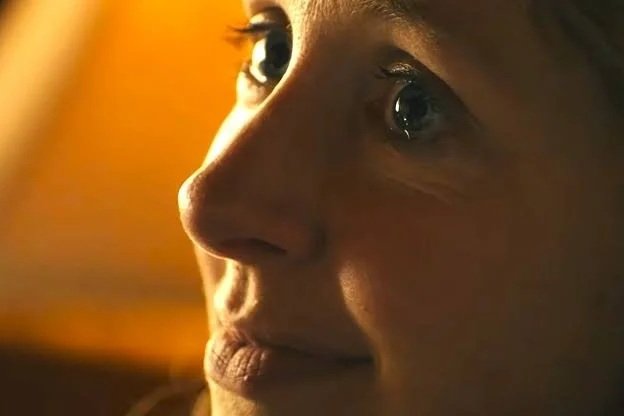
This is one of those films that truthfully can be watched over and over because when you think you've seen everything, you, in fact, have not. The poster is arguably one of my favorite things about this illusion, especially as the text begins to bleed outside the poster boundaries, giving off the metaphor that there is always something off-screen. It's such a fantastic approach when it comes to storytelling, filming, and documentation, and it's one of the few times where I feel like a film also has a sort of "video game" approach where you can rewatch it and get a New Game+ experience as you uncover new things you hadn't noticed before. It's an odd way to look at it, but the feeling is there, and the way You Can See Everything is constructed truly is revolutionary in my eyes, and I can't wait to watch it again and again before I feel like I have seen everything, and even then...
I need to see this again…
I don't think I saw everything…