

A Rose in the Twilight Review
A Rose in the Twilight follows a young girl and her monster friend through a mysterious castle. Find out if this game should be on your radar or if it's a thorn in your side in this review of A Rose in the Twilight!
What seems like an innocent game about a little girl and her monster companion is actually a deceptively twisted adventure filled gruesome blood offerings. As Rose, you find yourself waking up with a cursed thorn sticking out of your back. Using your abilities control blood and time you must figure out how to escape an ancient castle.

A Rose in the Twilight puzzles are broken up by different rooms in the castle. For the most part, each room has obstacles that require you to manipulate different objects that are either obstructing your way or will help you advance. For example, there will be a platform that you repeatedly have to freeze by absorbing the blood on it. Once that object stops in the correct position, you can jump on it and proceed.

You also enlist the help of a giant monster who is also looking to escape the castle. This monster will help you carry heavy objects, get through thorny areas that would kill Rose, defeat enemies, and throw Rose to areas that she wouldn't be able to access on her own. Rose in the Twilight does a great job balancing gameplay between the giant and Rose. There's never a time where you feel that the either character becomes a burden.

The overall pace of the game is pretty slow. Rose doesn't walk very fast, but once you have the giant helping you, you can use him to carry her around. Before I knew that the giant was in the game and I was only playing as Rose, I felt that the speed of the game was going to be something that I didn't enjoy. Luckily, this feeling subsided after about 30-45 minutes and it never really crossed my mind again. Rose in the Twilight is also very somber. There's no dialog and only a few vignettes that give you some insight on what's happening. I think that a lot of gamers might not even know what's going on which may leave something to be desired.

For the most part, the puzzles in A Rose in the Twilight aren't too difficult. You will run into a few that will require some thinking, but I never felt like I was ever stuck. At times you are required to revisit areas that you've already explored to unlock blood memories. These memories are actually required for you to advance with the story, so there is a tiny amount of backtracking using a simple fast travel feature. The best (or worst?) part about these blood offerings is that you get to see Rose killed in some surprisingly brutal ways.

A Rose in the Twilight took me roughly 2 1/2 to 3 1/2 hours to complete. The whole time I was playing I was constantly reminded of Limbo, which is never a bad thing. If you're looking for a fun puzzle-platformer with a decent amount of blood then Rose in the Twilight is definitely worth checking out.
4.25 out of 5 stars
Thank you to NIS for providing us with the code.

Everything Review
Everything promises that players can anything in the world, but does it deliver? Find out in this review!
David OReilly is probably best known for making unique animations, but recently he has begun developing video games. In 2014 he released his first game "Mountain", where you simply observe a mountain without controlling anything. This may sound a bit odd, but Mountain received critical acclaim and laid the foundation of "Everything."

As soon as I heard that Everything promised to let the player control anything from the smallest atom to the largest galaxy, I instantly put up my guard. There have been way too many times where developers promise gamers the ability to do something you've never done before only to leave them disappointed. Fortunately for us, where other developers have failed, Everything delivers.

You first start off by entering a name. You are then put on a random planet controlling a random object. For me, I started on an ice planet controlling a polar bear. The very first thing I noticed (which is also the same that other people noticed in the official trailers) is that a lot of the animal's movements resemble stiff somersaults. At this point, I'm thinking what is going on? But I pushed through and began exploring my surroundings. After discovering a few different types of trees and a few standard animals, I started to get that feeling of dread that I may have been lied to again, but that quickly went away when I learned how to ascend and descend into different levels. These levels range from microscopic to being out in the middle of the universe surrounded by different types of galaxies. Only once I realized the true scale of Everything did I really start to appreciate what was happening.

Now even though you can get as small as the smallest atom, Everything never becomes overwhelming. While there doesn't seem to be true objectives, you will find yourself collecting objects from certain classifications (animals, trees, viruses, spacecraft, etc) to try to complete a collection. Whenever you go to a new area the map appears to be as far as the eye can see, but when you move around you'll start to actually see that you're really in a confined space. This limits the number of objects that you'll find and encourages you to move to another area. The awesome thing about this is that if you visit the same type of area twice in a row (ice continent, city continent, grass continent, etc. ) there will always be something new, as long as you haven't completed your collection.

A major aspect of Everything are the readings of philosopher Alan Watts. As you progress there will be opportunities to listen to different audio clips that talk about the different ways the world is connected. These readings support the underlying theme of the entire game and have a nice calm presence that makes for an enjoyable experience.

Everything took me about 2.5 - 3 hours to complete. Once you finish, you can keep collecting objects in your game or start a new game plus. Everything relies heavily on experience, which isn't a bad thing, as long as you know what you're getting into. If you've enjoyed games like Journey, flOw, Flower, or even the Katamari series, then Everything is definitely worth your time.
4.5 out of 5
Thank you to Double Fine and David OReilly for providing the code.

Unearthing Mars Review
Unearthing Mars sends you on journey of discovery to the red planet. Find out if this is a trip you want to take or if you better off staying back at home in this review!
Generally, there are two types of VR titles; experiences where you are immersed in your surroundings with very little interaction, and games which can be almost anything; rarely do we see a title that is both. Unearthing Mars combines these two elements into an interesting story with some surprisingly fun gameplay.

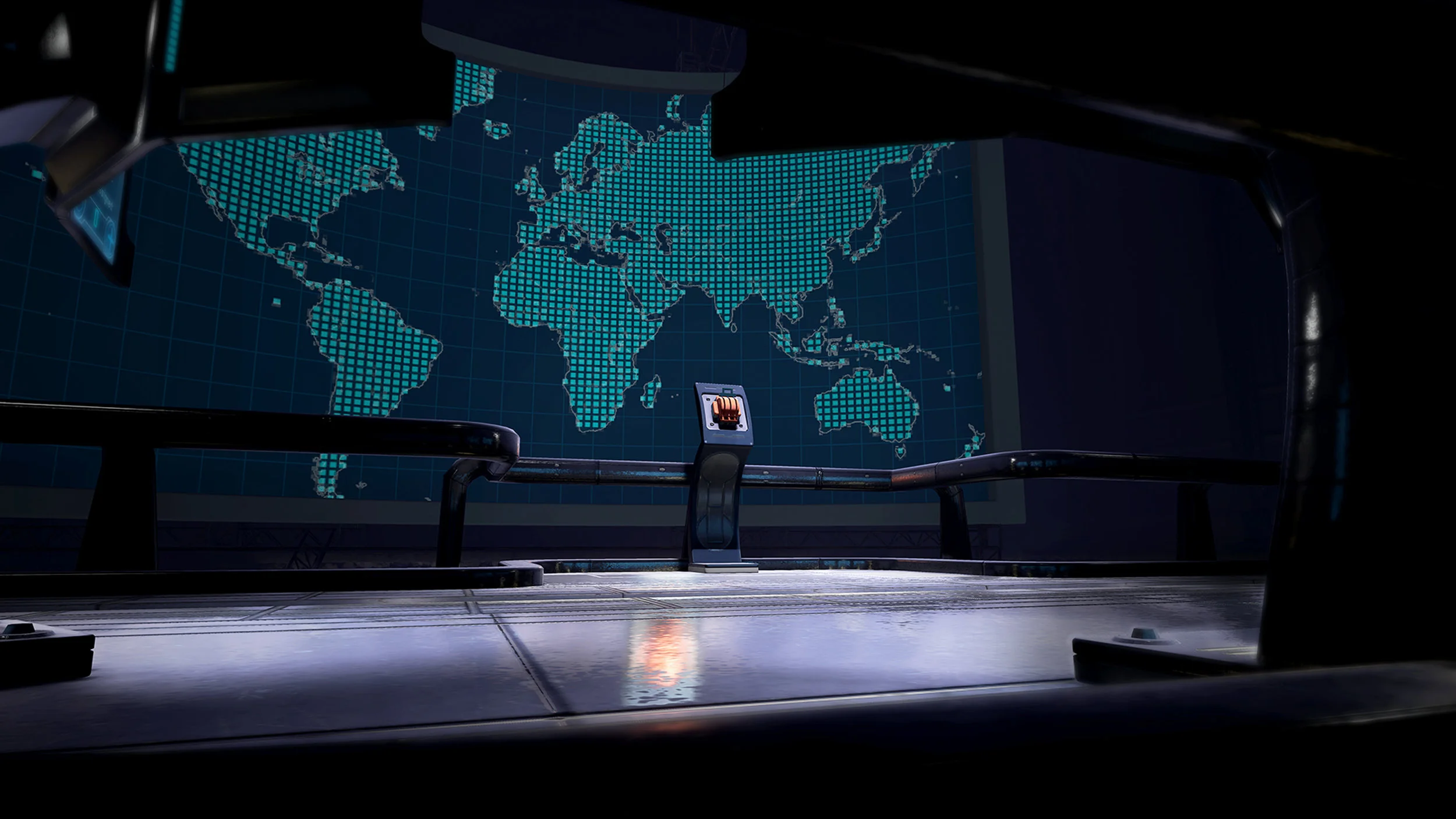
When Unearthing Mars first starts, it doesn't do itself any favors. You are standing in front of a large holographic map of Mars listening to two people who sound robotic talk back and forth to each other. There are a few interactions like responding to two people and spinning around the Mars map, but then the chapter ends and you're left wondering "what did I get myself into?" These reservations are rightfully felt, but if you just give Unearthing Mars a little more time you'll discover an odd but interesting game.

The second chapter puts you in the seat as a copilot aboard a spaceship that is headed for Mars. You and your commander have to work together to ensure that you land safely. If you mess up along the way, you lose something similar to health and if you do too many wrong inputs, you ultimately fail. After you safely guide your ship to Mars, the game really starts to open up.

Once you're out of your spaceship you can move around by hopping around to different designated areas. It seems like the biggest hurdle for any VR game is how to move your character without making the user feel nauseous. While I didn't feel any discomfort with Unearthing Mars, I did find the way you move to be a little odd. To move you simply aim the PlayStation Move Wand and click on one of the designated areas. The issue with this is that for some reason there is an arch added to the movement rather than just a straight line. This means to move somewhere far away you need to point the Move wand up at an angle instead of just straight ahead. It's an odd design choice and it just doesn't feel natural.

Voice acting has to be one of the hardest things to nail because it seems that so many indie games have trouble with this. I mentioned earlier that the voices between the two characters sounded robotic, but fortunately the voice acting gets progressively better as it begins to sound more natural. This definitely helps the immersion because you are no longer focused on how bad the characters sound.

The objectives in the game are pretty easy to figure out which keeps the story going. The entire experience will take you about one and a half to two hours to complete. You may run into a few parts that take some thinking, but for the most part, you won't have any issue completing the game. The best part of the game comes towards the end when you get to battle against hordes of evil aliens using a shield and a gun. This part came totally out of the blue and I wish that there was more of it, but regardless, it was an absolute blast.

Overall, Unearthing Mars is rough around the edges, but it does have its charm. The world is developed nicely and there are some interesting gameplay elements. If you feel like you've exausted all the PSVR choices then you may want to give Unearthing Mars a chance, but don't expect to be blown away.
3.5 out of 5 stars
Thank you to Winking Skywalker Entertainment for providing us with the code.

DYING: Reborn PSVR Review
DYING: Reborn's abridged version comes to the PSVR. Find out if this "escape the room" style game is worth your time in this review!
Publisher Oasis Games has been consistently releasing games on the PSVR since launch and after playing all of their PSVR titles I can say that DYING: Reborn is their best game yet. The main character, Mathew went out to search for his sister only to find himself locked in a room full of cockroaches, metal bars, and puzzles.

There are a total of three rooms that you have to escape from in the PSVR version compared to the six in the PS4 and PS Vita version. Because you are buying an abridged version, the price comes down to $9.99 instead of $19.99 making DYING: Reborn one of the cheapest PSVR games and not a bad deal.
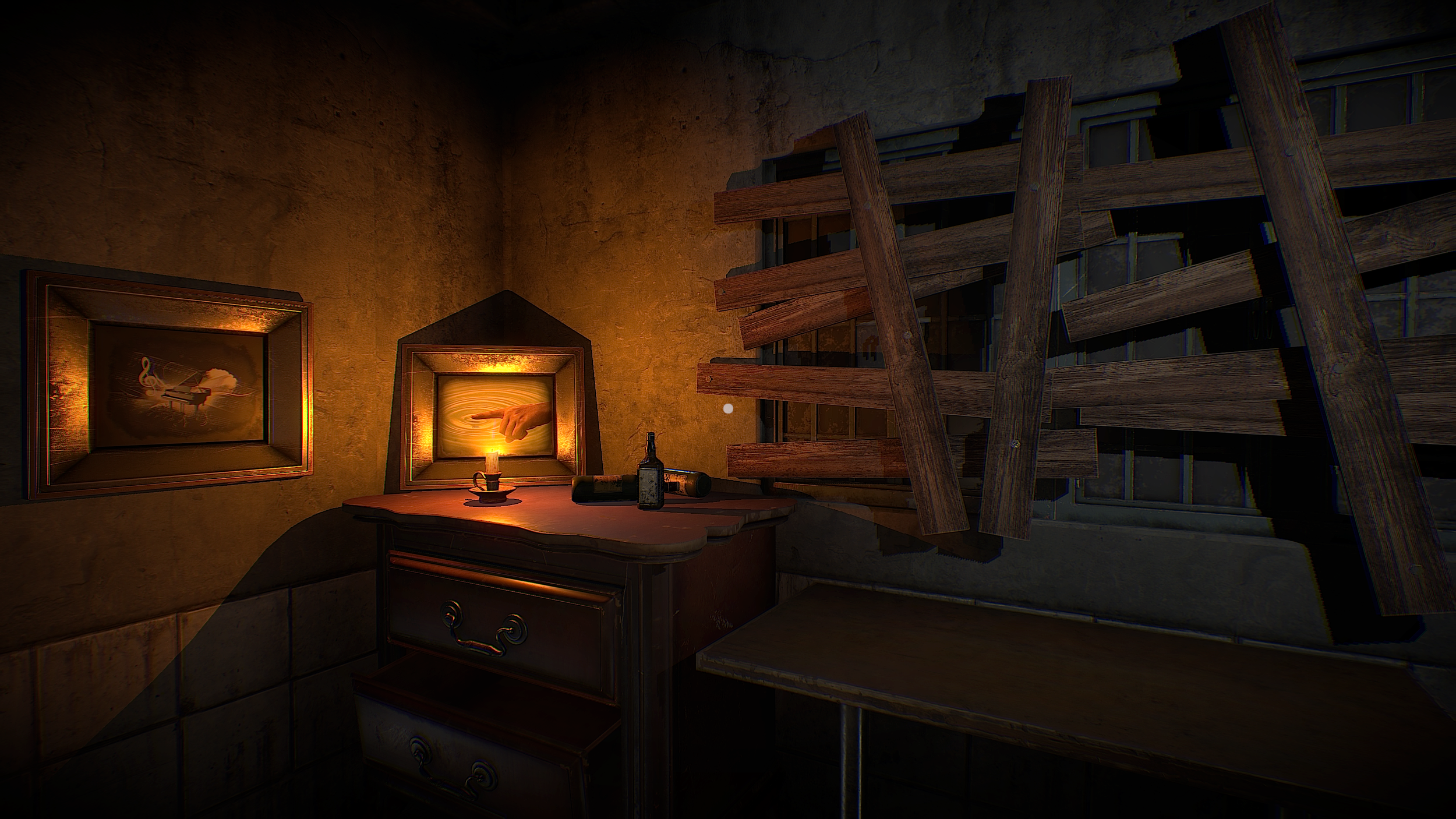
Usually, when I play puzzle games I find myself overthinking and getting stuck. With DYING: Reborn overthinking is your friend. You have to examine everything in the room because the solution is rarely obvious. The best approach would be to play the game like a point-and-click adventure game where you find an item and interact with every object to see if they work. I did find myself getting stuck one time because of the graphics quality of the game. There's a part when you have to play a melody on a piano and for the longest time I couldn't figure out the hint. There's also a puzzle in final room that I was stuck on for easily over an hour because of no other reason than it was hard to figure out. It's tough for me to criticize the game because the solution was available, I just wasn't prepared for there to be such a difficult objective.

One thing that felt odd was that the game ended abruptly. I'm not sure if it's because it's the abridged version, but you don't really get closure. This, unfortunately, does make the experience feel rather incomplete. The entire game took me about three and half hours to finish and I did enjoy my time with it despite the conclusion and getting stuck on one puzzle for over an hour.

Overall, if you're looking for a PSVR game to play and you want to be challenged, then $9.99 is a low risk. While trophies never determine how I feel about a game, it is nice to know that completing DYING: Reborn PSVR will get you 100% of the trophies in one playthrough.
3.75 out of 5 stars
Thanks to Oasis Games for providing us with the code

Psychonauts in the Rhombus of Ruin Review
Double Fine latest game brings psychic abilities to the PlayStation VR. Find out if Psychonauts in the Rhombus of Ruin is worth your time in this review!
The PlayStation VR was easily one of the more anticipated pieces of technology last year. There were plenty of reasons to get excited about it, but since the launch, there haven't been too many must-have games. Fortunately, Double Fine has stepped up to the plate and hit a homerun with Psychonauts In The Rhombus of Ruin.

The story takes place after the events of the original Psychonauts where we find out that the Grand Head of the Psychonauts Truman Zanotto, has been kidnapped. The main character, Raz, and the rest of the crew discover that Truman is being held in underwater at the Rhombus of Ruin, a former Psychonauts lab. On their way, their ship crashes and the crew is separated. Raz has to use his psychic abilities to gather his powers and save Truman Zanotto.

Right from the beginning, you can tell that a lot of time and effort went into creating the world. There are an impressive amount of fine details that most other VR games seem to neglect. At one point I picked up a record and flipped it around to find an actual tracklisting for this fake album. These little inclusions make feel like you're a part of the world rather than a spectator. I feel that I have a lot of experience in VR and there were even times where I almost reached out to grab something that was in front of me.
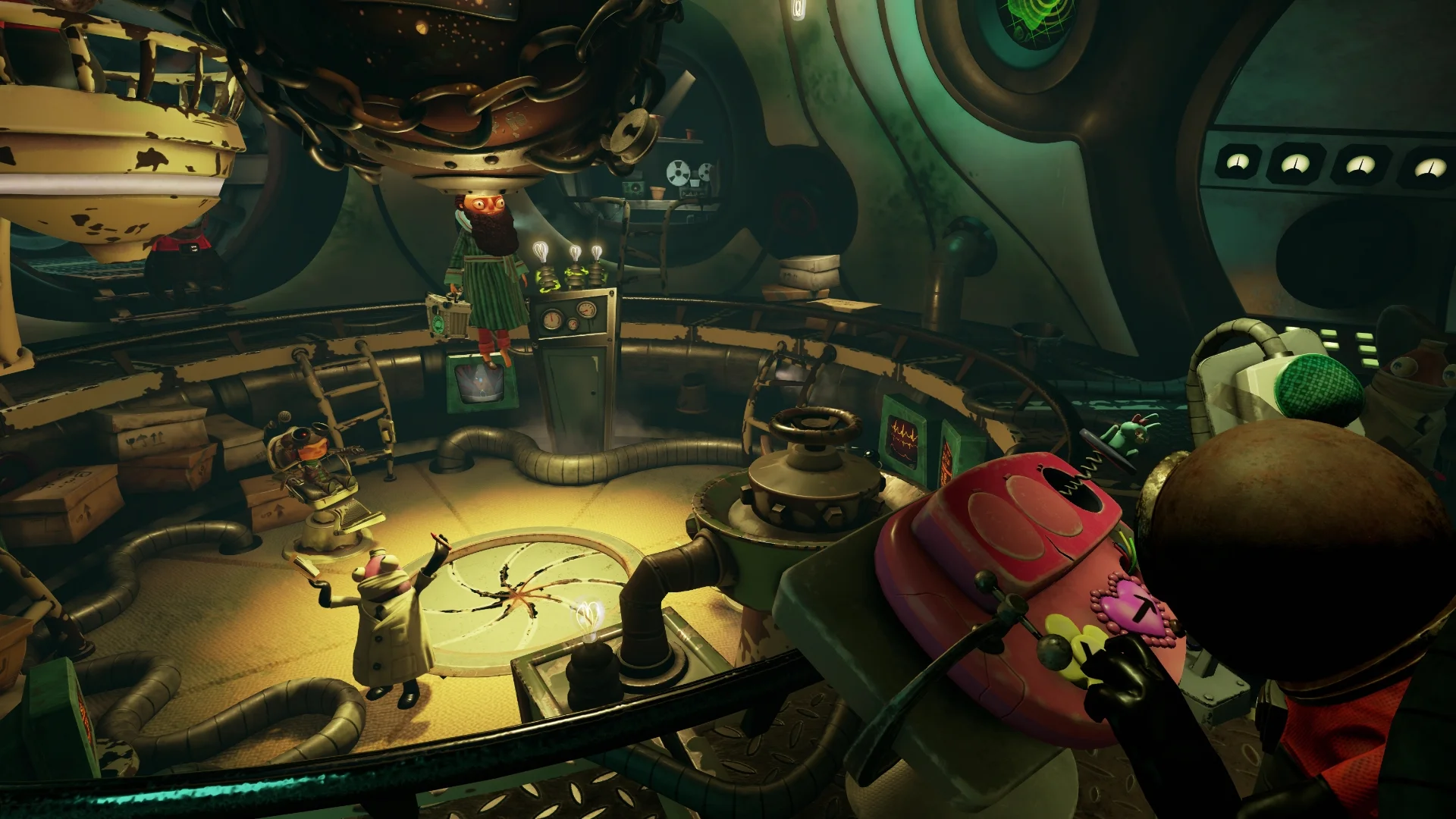
The gameplay is a lot different than the previous Psychonauts. Instead of being a 3D platformer you use Raz's clairvoyance ability to jump into and out of the minds of the surrounding people or creatures. In fact, you don't walk around at all, and to interact with objects or to jump in the mind of something you simply look at them press a button. The game essentially plays like a point-and-click adventure, where you have to solve puzzles moving objects or combining certain objects. None of the puzzles are overly difficult and with a little bit of trial and error you'll figure them out in no time.

As I mentioned before, to interact with things you have to look at them and press a button on the controller. This generally works fine, but there were a few times where I really felt like I had to stretch my neck and turn my head quite a bit to discover where I had to go to next. This was really the only issue that I had over the three and a half hours that it took me to complete Rhombus of Ruin.

Overall, if you're looking for a new PlayStation VR game, I couldn't recommend Psychonauts in the Rhombus of Ruin enough. The world that Double Fine created is amazing and the characters are as lovable as they've always been. Do yourself a favor and pick this game up!
4.75 out of 5 stars
Thank you very much to Double Fine for providing us with the code.

Dexed Review
Ninja Theory's latest release Dexed puts the power of fire and ice in the palm of your hands! Find out if this PSVR game is hot or cold in this review.
If you happen to be a PSVR owner you know that the library of games is fairly limited. At launch, it looked promising, but it's slowed down quite a bit. Lucky for PSVR owners, Ninja Theory, who is developing the much-anticipated Hellblade, supported PSVR with their latest release, Dexed.
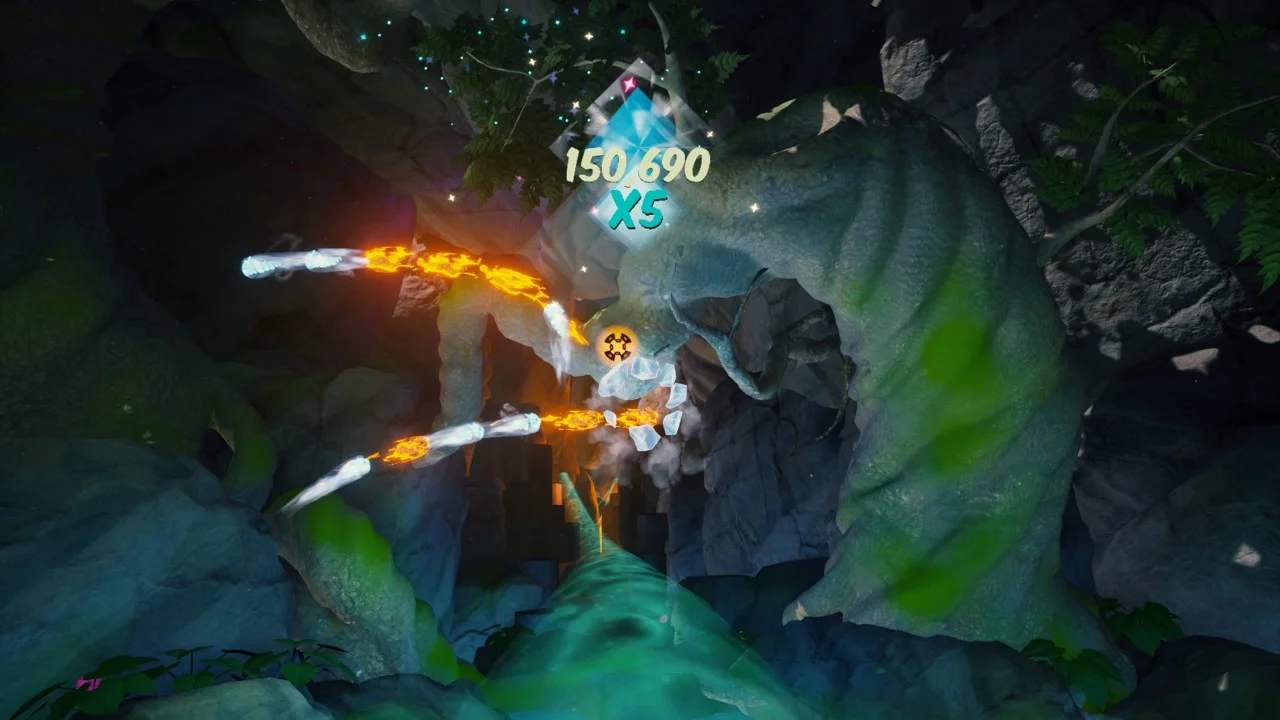
Dexed is a rail shooter where you use fire and ice to defeat enemies. The concept is simple enough - ice kills fire, fire kills ice, but as you may expect, it's not always that easy. The main goal of Dexed is to get the highest score possible. If you accidentally shoot ice at an ice enemy, your score will freeze and if you shoot fire at a fire enemy your score will burn and decrease dramatically.
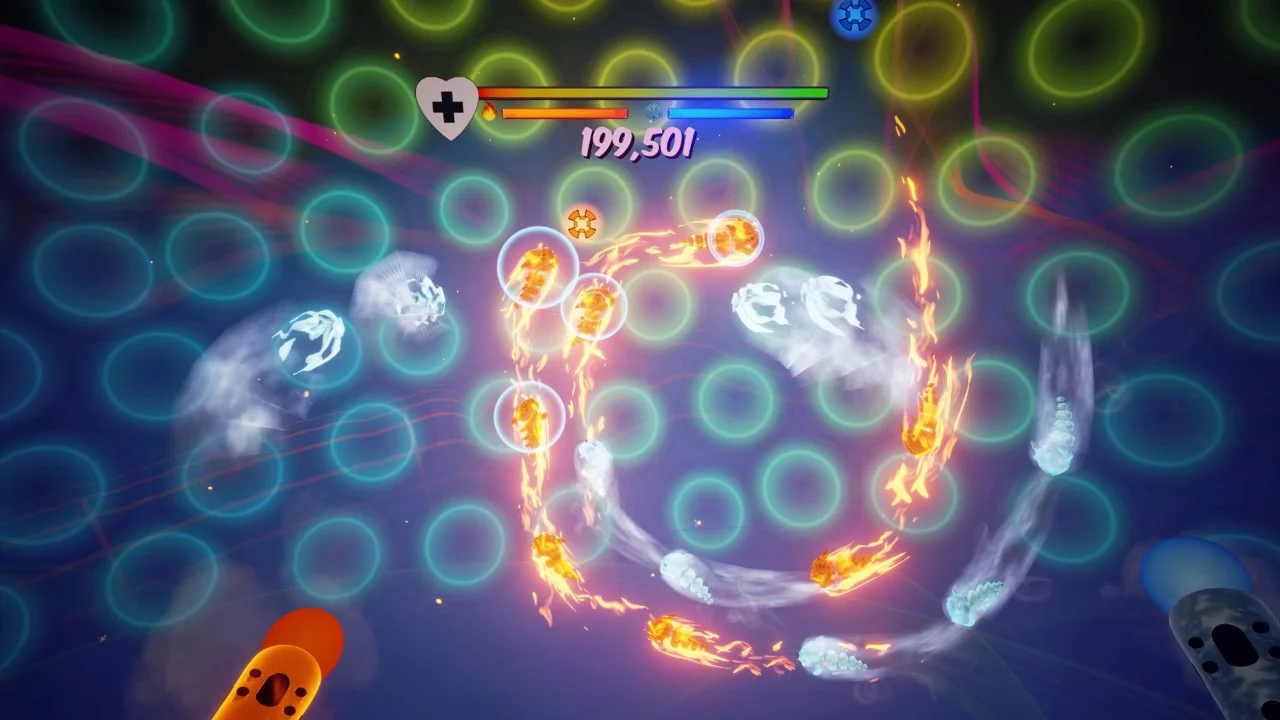
There are a total of five levels (including a boss fight) that can be played on easy, normal, and hard. You will have no trouble completing the entire Dexed experience in a little over 30 minutes. The first time I played a level I played it on easy, but for the next four levels, I played it on hard. This didn't make Dexed all that difficult because you can't die or lose, but there is that added pressure of trying to destroy every enemy to get the highest score possible.
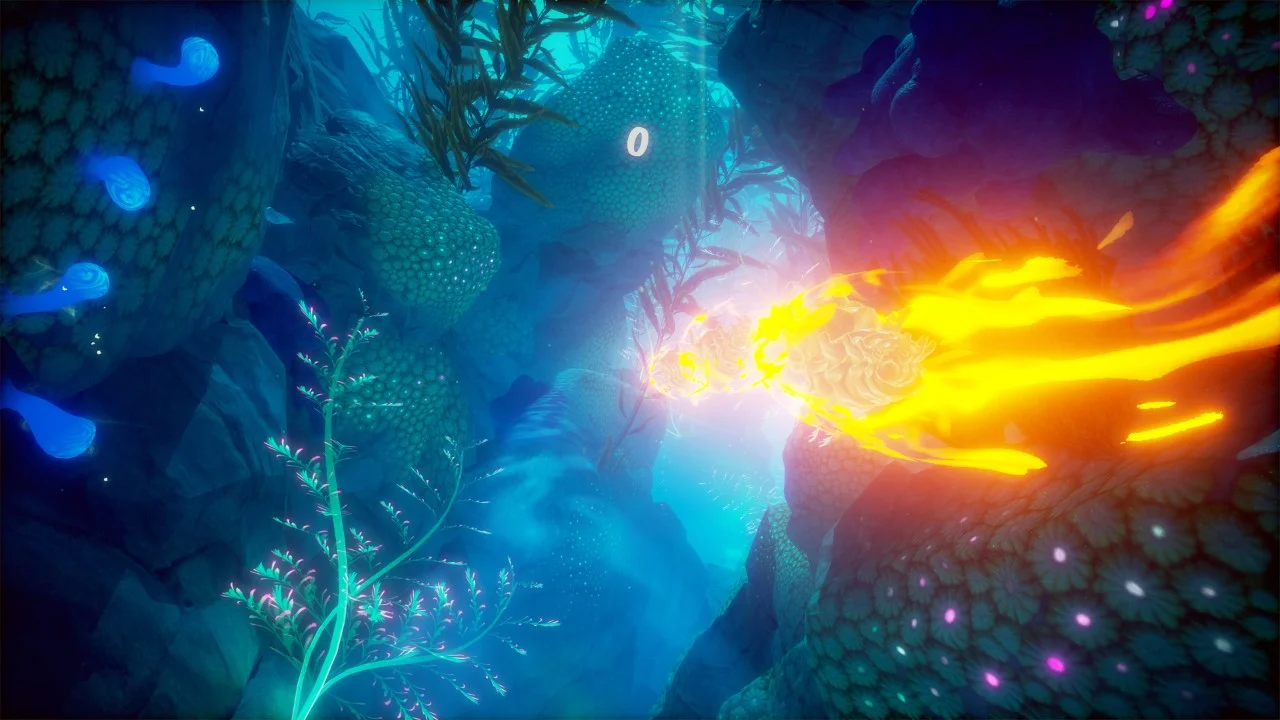
Although I finished the game fairly quickly, I did go back and play levels over and over to try to improve my scores. Dexed is a fun enough experience that you would want to play through it more than once and it would be a great game to compete against one of your friends on the leaderboards. The trophies in Dexed are also pretty tough, so if that's your sort of thing you'll find even more replayability.

Overall Dexed is short but does offer a great amount of replayability. Dexed is currently $9.99 on the PlayStation store which is the perfect price point, especially if you're looking a new PSVR game.
3.5 out of 5 Stars
Thank you to Ninja Theory for providing the code.

Sports Bar VR Review
Sports Bar VR is one of the few virtual reality games that allows you to relax in a social environment. Find out if this a bar that you want to frequent in this review!
Virtual reality games provide the user with immersive experiences that can at times be overwhelming and intense. The amount of games that are currently out there that just let the user chill out in a virtual world with their friends is severely limited. Luckily, that’s where Sports Bar VR comes in to save the day.

Currently, there are four games in Sports Bar VR; Pool (8 ball, 9 ball, 3 ball, and Killer,) darts, skee ball, and air hockey, with more to come in the future. The games are pretty straight forward if you’ve played them before, but at times the controls and Move Wand responsiveness can get in the way of what would be an overall fun experience.

Without a doubt, playing pool is the highlight of Sports Bar VR, so naturally, that’s where we are going to start. Originally the game was released as Pool Nation for the HTC Vive, which allowed you to physically walk around a virtual table. With the PlayStation version, you can either teleport to different parts of the table or you can access Hulk Mode which allows you to rotate the table around you. To set up the perfect shot all you have to do is lock on using the back left trigger on the Move Wand, pull the right Move Wand back,e and then push forward. It’s simple enough to execute a shot, but it definitely takes some time to get good.

While playing pool you can play against an AI for an extra challenge. The AI is actually really good at the game and is a lot of fun to play against. You can also invite over a total of 5 real life players to your sports bar to play against, but I will get into the multiplayer a little more later.

The next game is darts and as much as I’d like to say it’s as good as the pool, it’s just not. I had a lot of trouble trying to figure out how to throw the darts consistently and never got a grasp of it. The trouble may reside in the Move Wands because I’ve had a lot of trouble with throwing in other PS VR games, but regardless the darts experience wasn’t enjoyable.
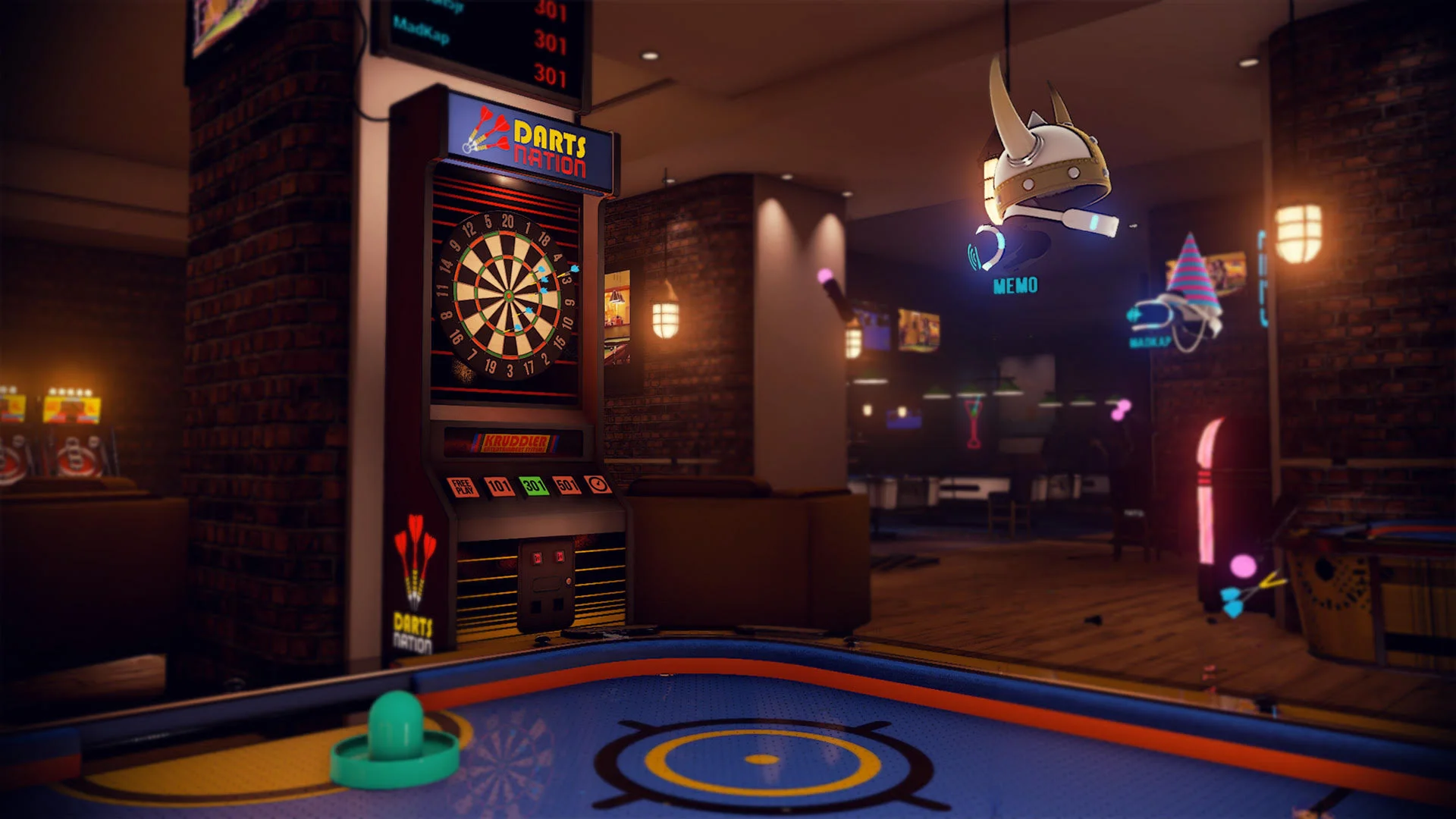
Skee ball is another game that is pretty straight forward and does actually work well. Start up a game and just start rolling the balls up the ramp hoping to get the highest score. This is a nice addition but skee ball, in general, doesn’t have a lot of substance unless you are playing with someone else.
Air hockey is probably my second favorite game after pool. The AI is incredibly well balanced and every time I played against it I felt that it was a good, close match. The Move Wands responsiveness works perfectly when playing air hockey so if you’re a fan of this arcade staple, then this is the only place that I know you can currently get it in a VR environment.
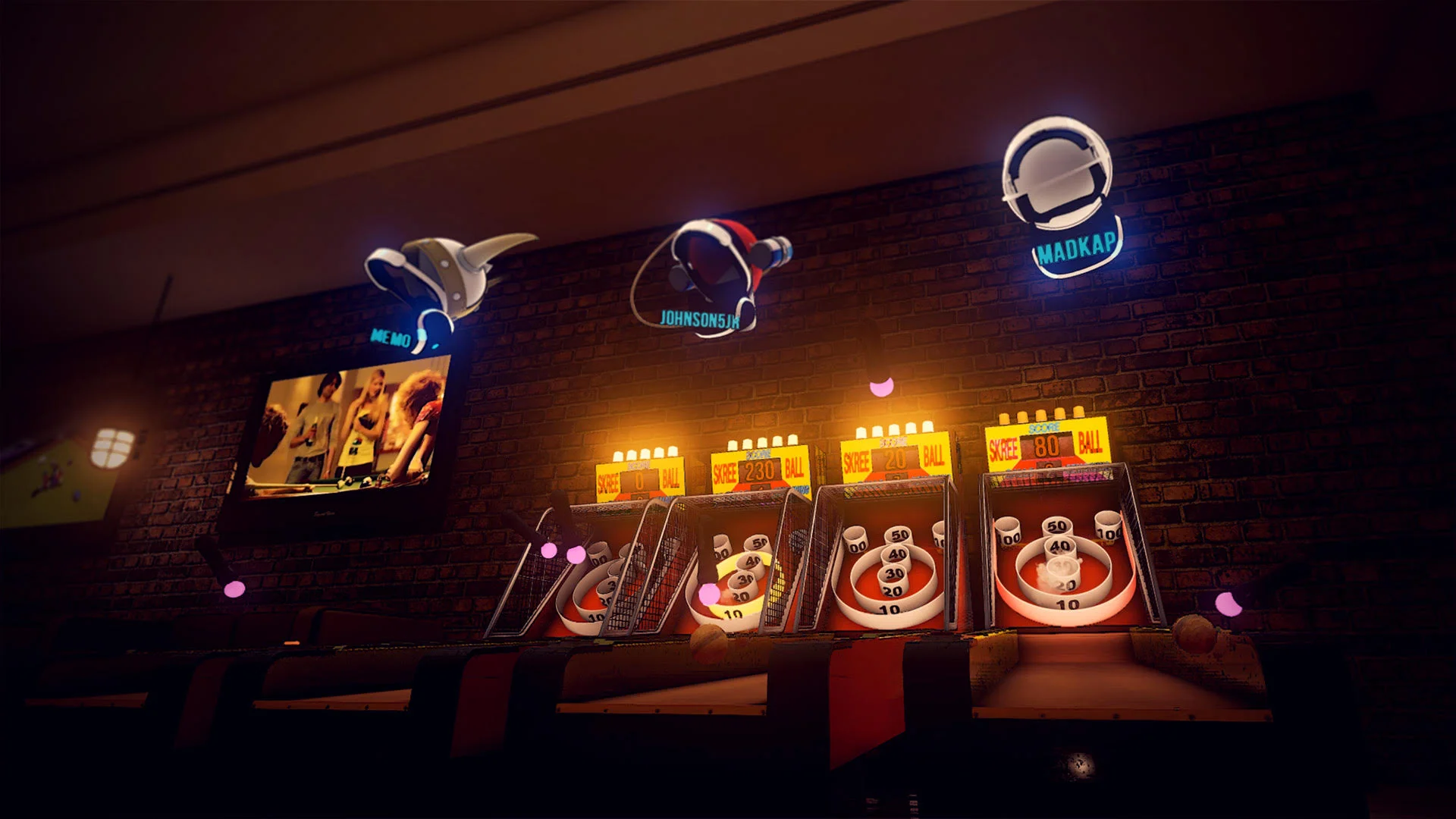
The major downside for me was the multiplayer. Unfortunately, one of my Gamers Lounge companions, Robert, and I were never able to get a good connection. This caused a ton of issues when playing the game and made us wonder how well could the game handle six people if it can’t handle two. There were times where I was receiving points during an air hockey session even though it appeared that he had hit the puck back to me. It also made darts virtually impossible and the pool experience was also plagued with lag. After troubleshooting, restarting multiple sessions, and switching hosts we determined that the probably must be with the game. This is unfortunate and I do hope that the connectivity issues that we experienced eventually gets addressed in the future.
Overall Sports Bar VR is a great game if you are looking to take a break from intense horror games and other crazy virtual reality experiences. You’ll have a great time playing pool and really for some, I can imagine that’s enough.
3.25 stars out of 5
Thank you to Cherry Pop Games for providing us with the code.

The Assembly Review
Can a VR experience of a scientist who has gone rogue and a woman accused of killing her own mother keep you engaged enough to find out what's going to happen next? Find out in this review of The Assembly!
Whether or not you are a believer in the staying power of virtual reality, it is here now and we must embrace it. The early games that we're going to experience may not always be the most mind blowing experiences, but what we are seeing is paving the way to the future. The Assembly by nDreams is a game that introduces a deep narrative that follows two characters through the end of one journey and the beginning of another.
When we are first introduced to the characters we find out that they are both scientists. Caleb Pearson and Madeline Stone are both at a critical time in their lives when they must make a serious decision that will not only affect them, but possibly change the world. Caleb is working on trying to escape The Assembly, while Madeline is attempting to become their newest scientist.
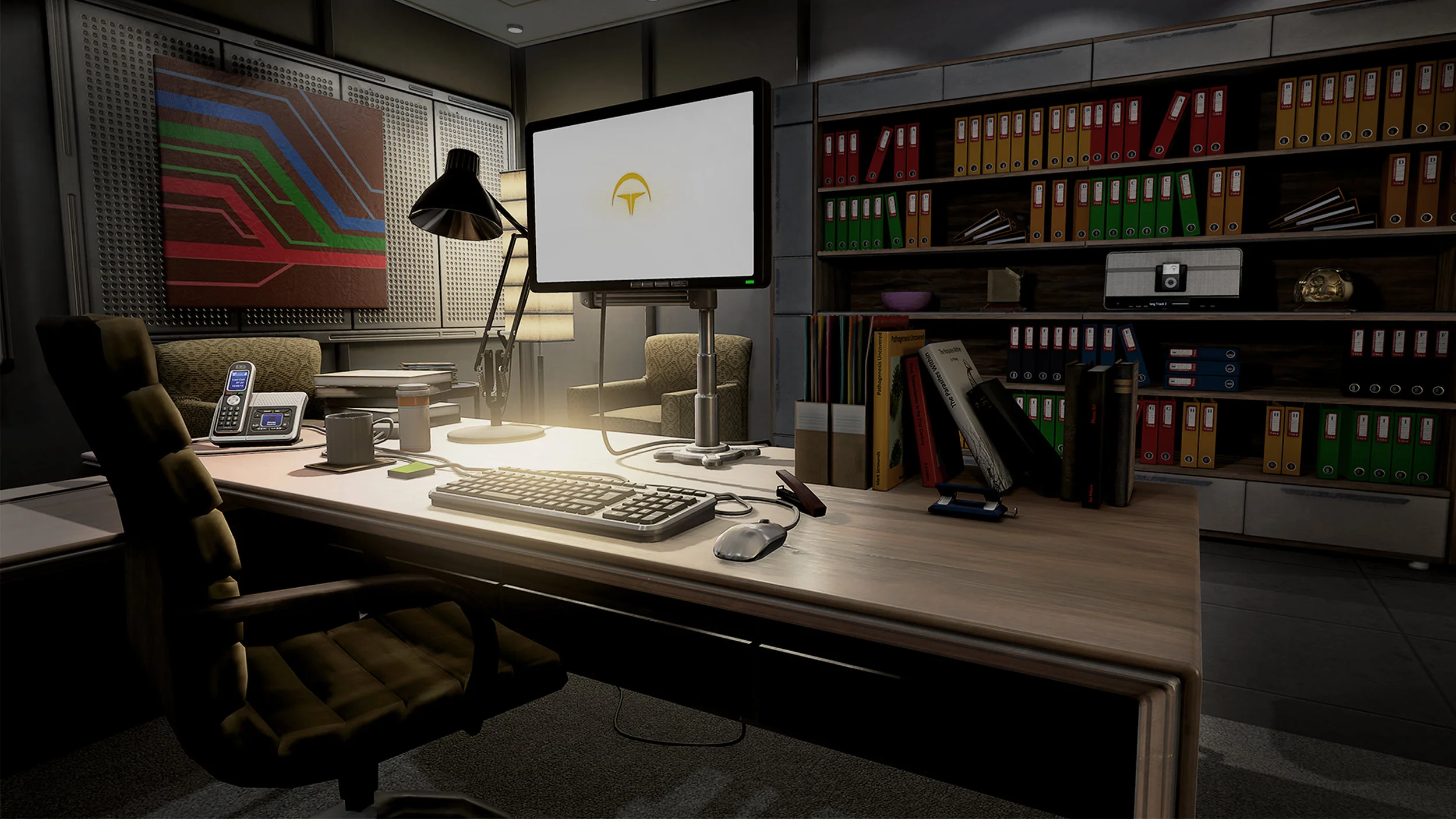
Both Caleb and Madeline have very different styles of gameplay. As Caleb, you are attempting to smuggle out classified material. This takes a lot of thinking and discovering all while making sure that no one finds out. Luckily, there are no real stealth elements to the game and it's pretty much narrative driven. This keeps the player going forward in a story that you really want to find out more about. Madeline's story is a little darker and is more like a puzzle game. You must pass trials and make moral decisions that will greatly impact your character's future.
The Assembly uses the Dualshock 4 and doesn't have an option for the PlayStation Move. I was a little disappointed at first because you really want to try out all of the cool new options of the PlayStation VR, but after awhile I didn't think that the Move would add anything beneficial to the experience. One awesome feature of The Assembly is that you can change your movement style. You can walk fast, slow or snap to locations. I originally put the game on walking fast (which is actually called normal) and found myself getting motion sickness. After playing with the control options for awhile, I found the perfect fit for me. I can't really knock the game for motion sickness because not everyone is going be as sensitive as me, however, I do recommend that you play with the options to find the optimal settings to prevent this from happening to you.

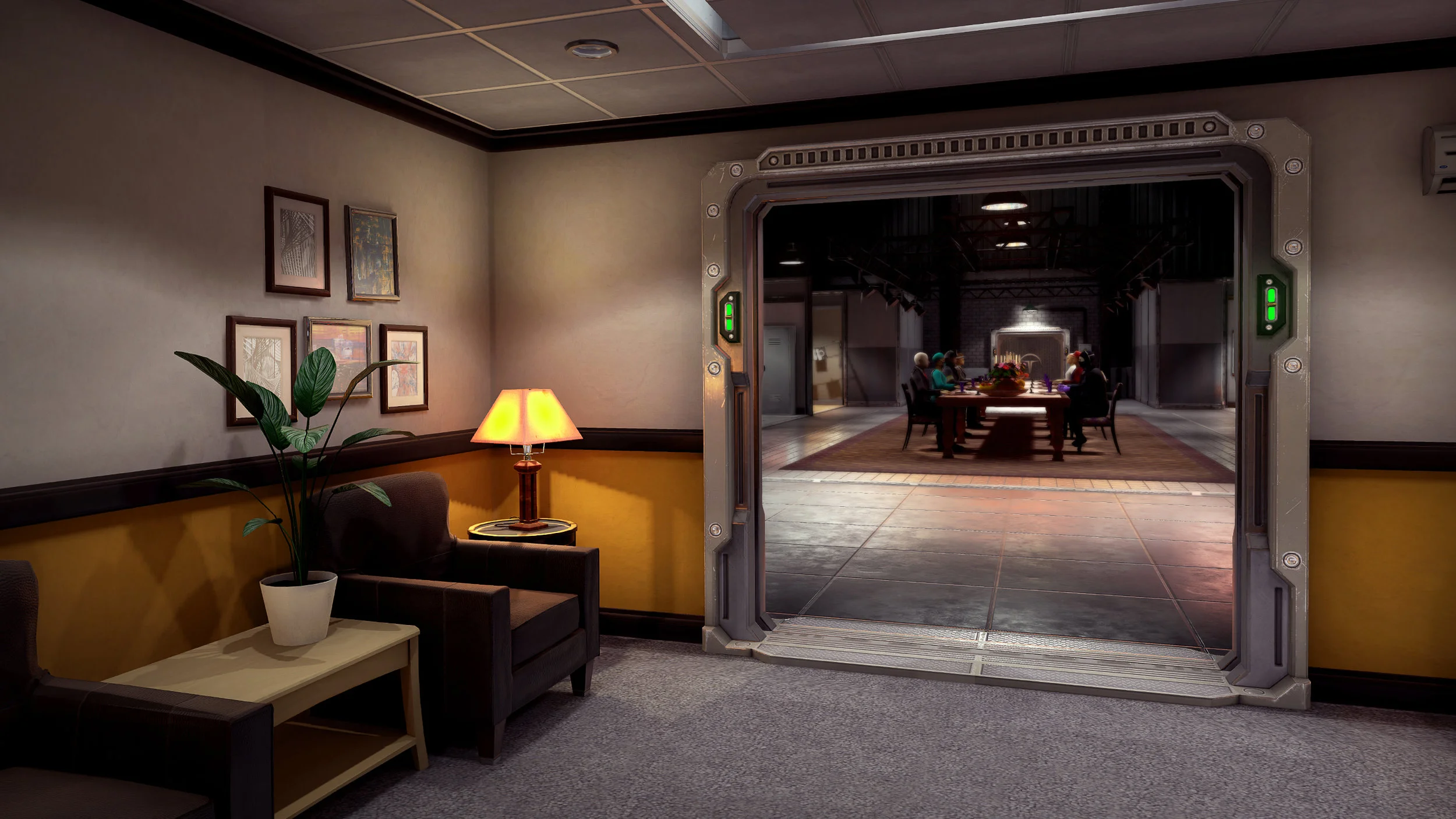
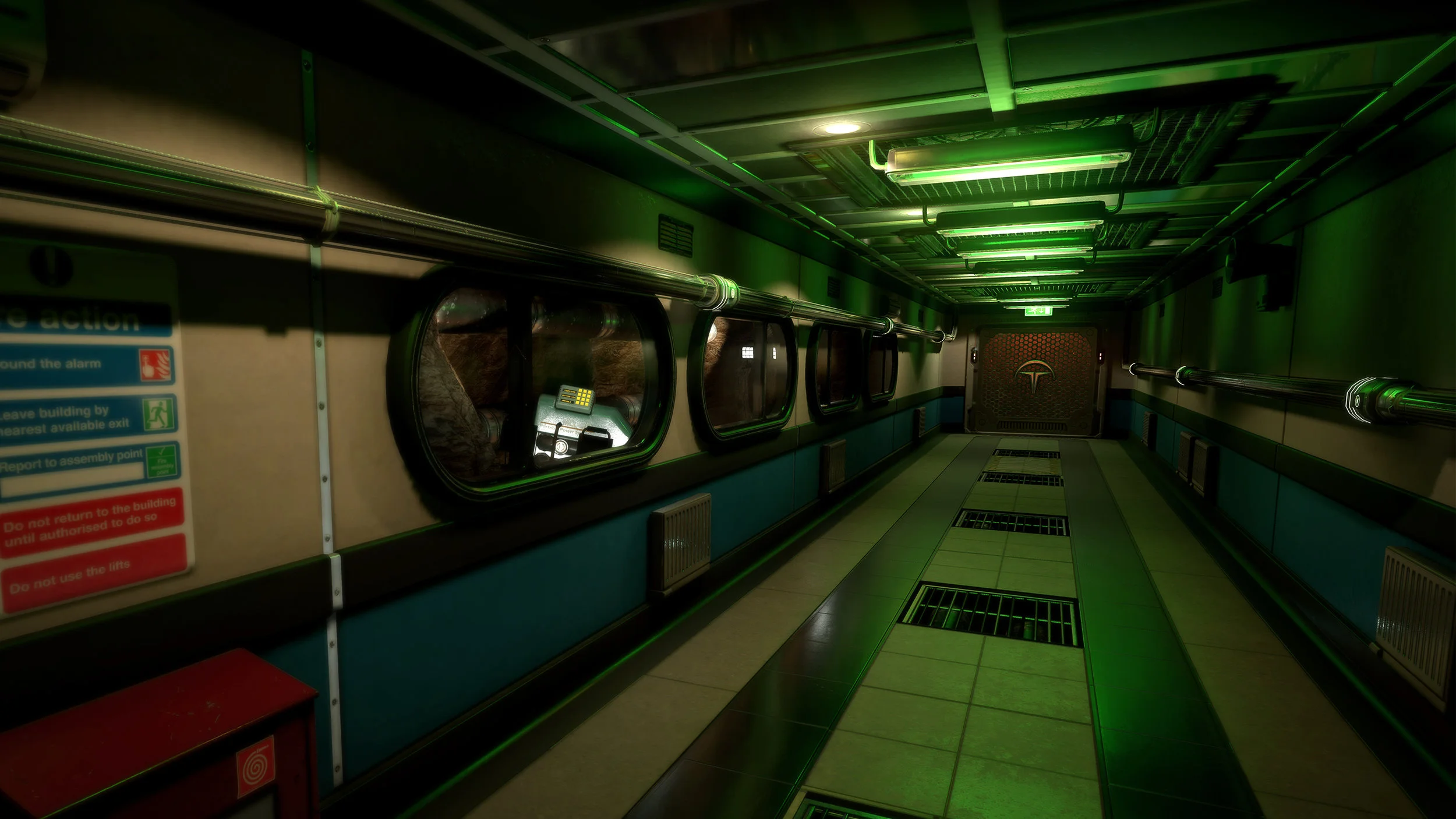
As far as exploring goes, The Assembly has a fairly large world. You make your way through plenty of different areas in this massive laboratory that is partially underground. This prevents the player from getting bored of the same old locations and even though the labs may look the somewhat the same, there are plenty of layouts and different rooms to go into. The variety in the lab and the bouncing back and forth between characters really helps drive the player forward.
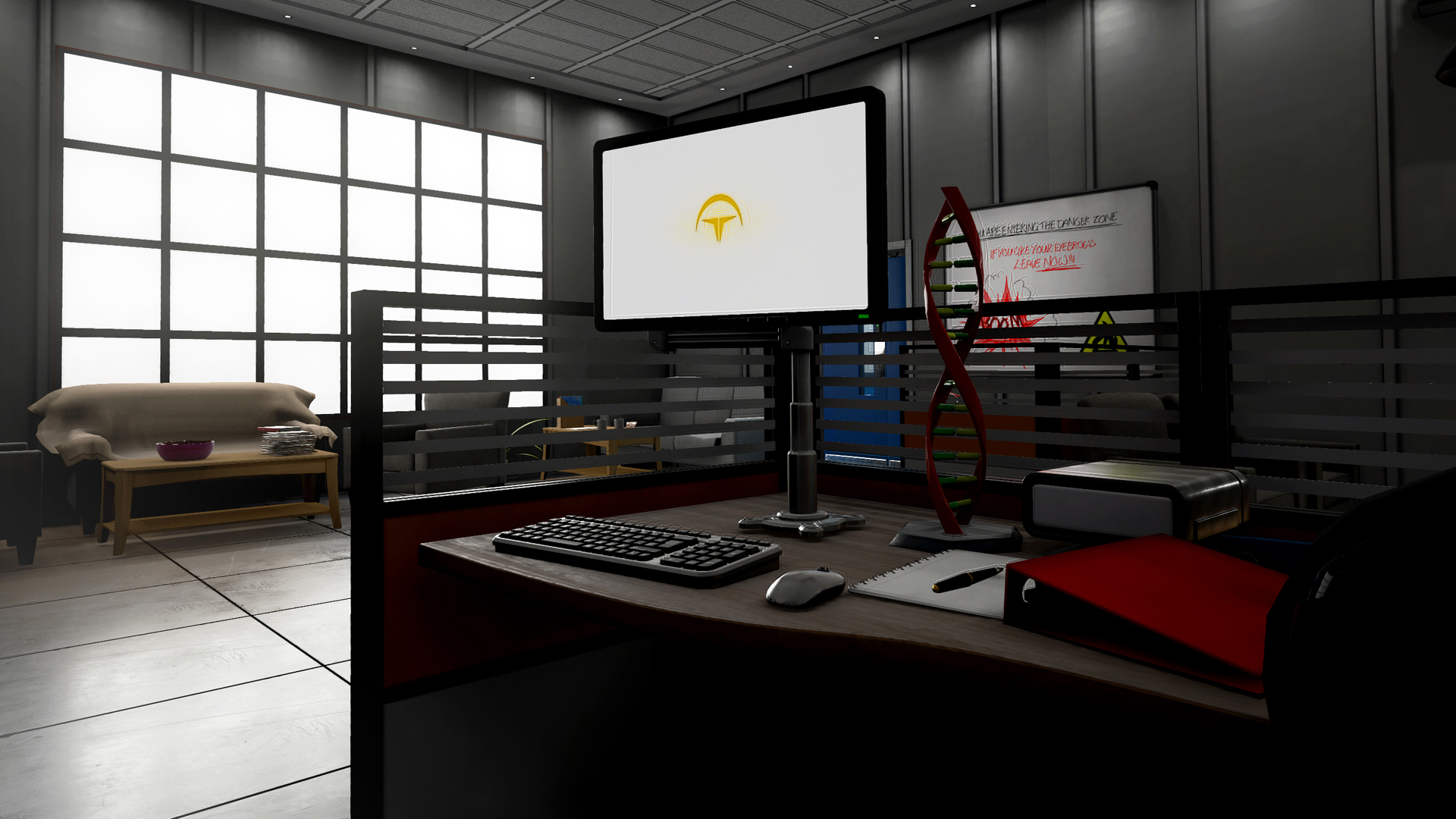
There are a few minor annoyances with The Assembly that could have definitely been improved upon. I've played a few VR games and I have the PlayStation Gold Wireless Headphones which feature the ability to hear 3D audio. The audio in The Assembly doesn't utilize the spatial sound which would create a much more immersive experience. Another issue I had is that there isn't a lot to interact with in the world other than what's related to the story or things like drawers and cabinets that you can open that may or may not have something important in them. There are a decent amount of voicemails that you can listen to on phones, and computers you can log into to read people's emails, but it would benefit the world if the player was able to just pick up an object and toss it. This doesn't necessarily affect the gameplay, but it does help the immersive experience.
I finished the 12 chapters of The Assembly in just over 4 hours. I, unfortunately, had to stop twice because of motion sickness, but if that didn't happen I could have easily finished the game in a single sitting and been fine with it. Right now with the limited number of VR games out for the PlayStation, I would say that the $29.99 price tag is completely fair and that it is an enjoyable experience. If you like narrative driven games then I could comfortably say that The Assembly is one of the better choices for PS VR right now.
4 out of 5 stars
Thank you to nDreams for providing the code.

Slain: Back From Hell! Review
The successfully Kickstarted game Slain makes its console debut on the PlayStation 4. Find out if this 80s / 90s inspired gothic hack and slash is worth your time in this review.
Slain follows the adventure of a Bathoryn, a doomed hero, who wishes nothing more than to sleep. Unfortunately for Bathoryn, duty calls and he must wake up from what seemed to be like a very long nap to cleanse six different lands from demons, monsters, and the living dead.
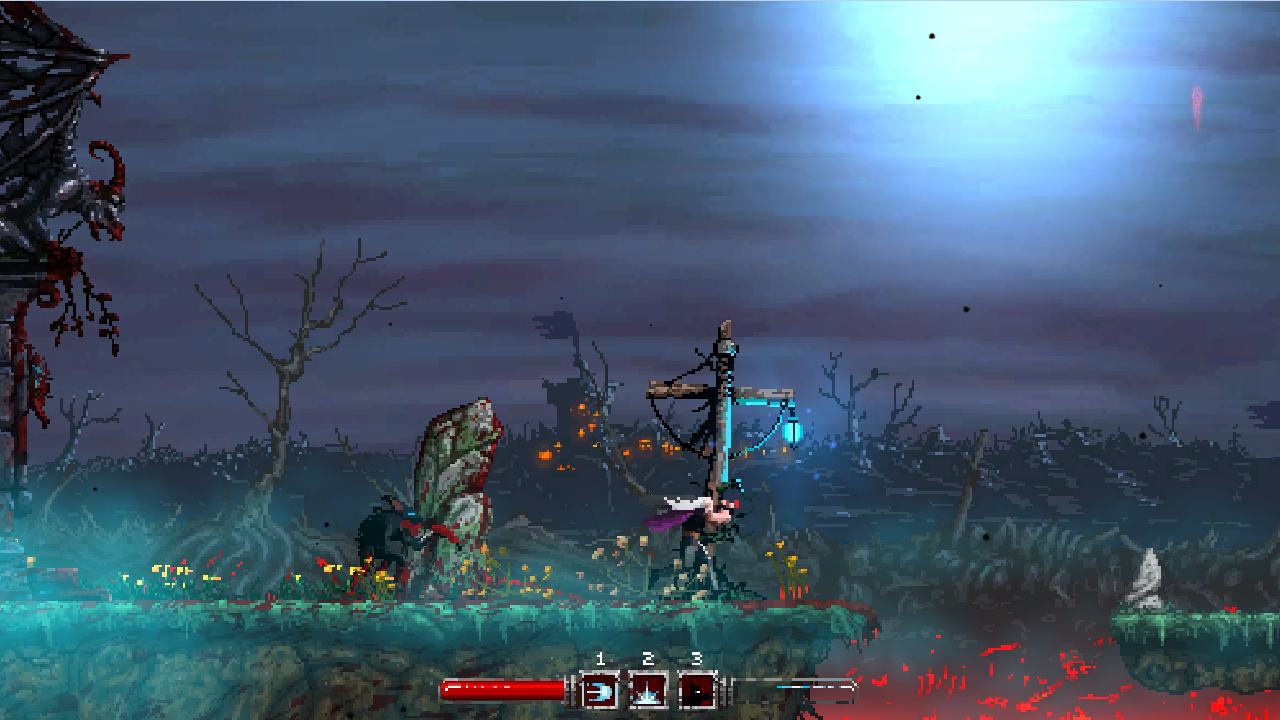
Within the first few minutes of Slain, I died, and then I died again, and then I died again. If Slain’s objective was to die over and over, I would be the grand master of Slain. Luckily, the checkpoints are so frequent that you never get stuck anywhere for too long. There were plenty of times where I had killed all of the enemies, only to be killed by a trap, causing me to completely redo the part that I had just finished. I really only have myself to blame for constantly underestimating the world of Slain. There is never a moment that just lets you breathe. Whether it’s a group of enemies or a boss fight, you’re going to experience your fair share of deaths.

Most of my early deaths could have been prevented if I would have taken a step back from trying to murder everything and embrace the complexities of the combat. One of the main features of Slain is the ability to reflect almost every projectile - and there are a ton of enemies who shoot different types of projectiles. There is also a parry system that allows you to time your blocks and then land critical hits. Parrying enemies is the best way to get through difficult encounters.

Overall, there is a decent variety of enemies. There are a few reskins, but their difficulty has been increased. I never got to the point I felt that I saw the same enemy too much. Because Slain has such a wide variety of enemies I always felt that I had to stay on top of my combat game. The game even introduces new enemies right before the final the boss fight.

The boss fights in Slain are all intense. They use every aspect of the game’s combat mechanics which makes it critical that you never let up. One constant throughout the game is that once the boss starts to lose health they start to speed up their attacks making you have to work even harder. There were plenty of times that I felt that I was about to execute the boss only to get them down to a quarter of their health and die.

Slain's biggest issue is that there is a lack of any sort of upgrades. The health and mana you start with are the same that you end with. Eventually, you're able to switch your regular weapon to fire or ice, but it doesn't feel like much of an upgrade. I find myself torn if this is a major issue or if it's just something that I'm not used to. Traditionally, games will have an upgrade system, so when you run into one that doesn't have one it's kind of odd. In the end, this was okay for me, but other gamers may find this to be an issue.

I had a great time playing through Slain: Back From Hell. It took me roughly about 7 hours to finish which is a great length. If you like difficult games, heavy metal, and tons of gore, then this game is right up your alley!
4.25 out of 5 stars
Thank you to Wolf Brew Games for providing the code.

Epistory - The Typing Chronicles Review
Any other fans of Mavis Beacon out there? It’s probably pretty hard to make any type of typing game without being compared to the program most of us probably used in middle school, but as I made my way through Epistory – The Typing Chronicles I realized that I was embarking on something much greater. Find out more about this adventure here in this review of Epistory – The Typing Chronicles!
When you are first dropped into Epistory – The Typing Chronicles you can’t help but be impressed with the paper-look of the game. A path of pages opens up around you as you walk along it, opening up a rich environment of trees, grass, rocks, and flowers while holding on to the look and feel of paper. Before you know it, the soothing soundtrack mixed with crashing waves and the beautiful narration has fully immersed you into the story.

While discovering everything the land has to offer, you are of course met with obstacles. To get through these obstacles or defeat enemies you must press the spacebar and type the corresponding words. Whenever you revive the earth, destroy an enemy, or get through an obstacle you receive Inspiration Points. Inspiration points are used to buy upgrades and to unlock certain parts of the game. Gating certain parts of the game may sound annoying to some users, but Epistory does a great job keeping you moving, never making you feel like you have to grind out extra words just to advance. There is also a combo meter that allows you to receive more Inspiration Points the longer you string words together.

The upgrades for the game make a huge difference. You can upgrade your movement speed, combo time, knockback, but more importantly you can upgrade your unlockable skills. For example, your fire attack has a great feature that will add a unique twist on damage over time on an enemy letting you destroy them faster. You can upgrade the speed of this damage over time and get yourself out of some serious jams.
As I mentioned before, you have to press the spacebar to hunker down and then type your words. In fact everything in Epistory can be controlled with the keyboard. You move with W, A, S, D and you can just type in whatever commands you want in the menu. Not being a primary PC gamer, this took me a little bit to get used to, but any seasoned PC gamer should have no trouble at all.

One downside that I frequently ran into was when I unlocked the Fire and Ice skills. The further you get into Epistory you must switch your skills to kill enemies who are only vulnerable to that element. The problem arises when you’re using the Ice skill and you need to kill something that has an “F” as it’s first letter. Once you type that “F” Epistory will prioritize your skill selection and expect you to complete word “fire” rather than prioritize the enemy which is coming to kill you. Luckily, Epistory does two things to alleviate some of this pain. First off, when you die, it’s not the end of the world. You can easily pick up where you left off in a matter of minutes. Secondly, if you reach a point that you just can’t pass, Epistory will adjust and give you a little bit of an easier time. At times, I felt like this was necessary.

I type pretty fast and Epistory did a great job pumping up the difficulty with long difficult words (some I had never even heard of before) and increasing the speed and frequency of enemies. As great as this is, I still ran into the problem that my character and her fox weren’t able to shoot at enemies fast enough. There are times when these little flying enemies come out and they only require one letter to kill them. Well, when you queue say five at one time, the attacks don’t come fast enough, resulting in your death. Do this enough times, the game will make it easier for you and bada bing bada boom you’ve advanced.

Epistory also has a lot of puzzle elements. To receive your skills you must retrieve them from a dungeon. The most frequent puzzle is where you must light up blue tiles by stepping on them without stepping on the same one twice in a row or stepping on a red tile. It’s really not a terrible thing when you step on the same tile twice, but stepping on a red tile will result in the puzzle being completely reset. This makes it much more stressful when you have to do these tasks on ice. With the nature of the game being a story, the puzzles don’t feel like they are to frustrate you. With a little trial and error and some critical thinking, you can get the puzzles fairly quick.

One element that I definitely feel needs improvement is the map. It sort of looks like a zoomed out Minecraft map. While the map does have some handy icons on it that will help you find treasures and gates, a little more interactivity would go a long way.
I don’t want to end on a sour note. Epistory – The Typing Chronicles is a solid game that is absolutely worth trying if you’re looking for something new to try. Combine this with a great story, beautiful music, phenomenal world building and an outstanding narration, you have yourself an adventure you won’t regret taking.
Final Score: 4.5/5
Thank you to Fishing Cactus for providing the code.

Catlateral Damage Review
Catlateral Damage is a game about making your dreams of becoming a cat true! The question is will you regret getting those extra nine lives or will it be everything you’ve ever wished for? Find out in this review of Catlateral Damage.
Have you ever wondered why your cat knocks everything off your shelves? You could try it out by setting something on your counter and give it a good hard swipe, but in the end you’re going to be cleaning it up. So what can you do? Thankfully, Fire Hose Games has developed the cel-shaded adventure, Catlateral Damage!
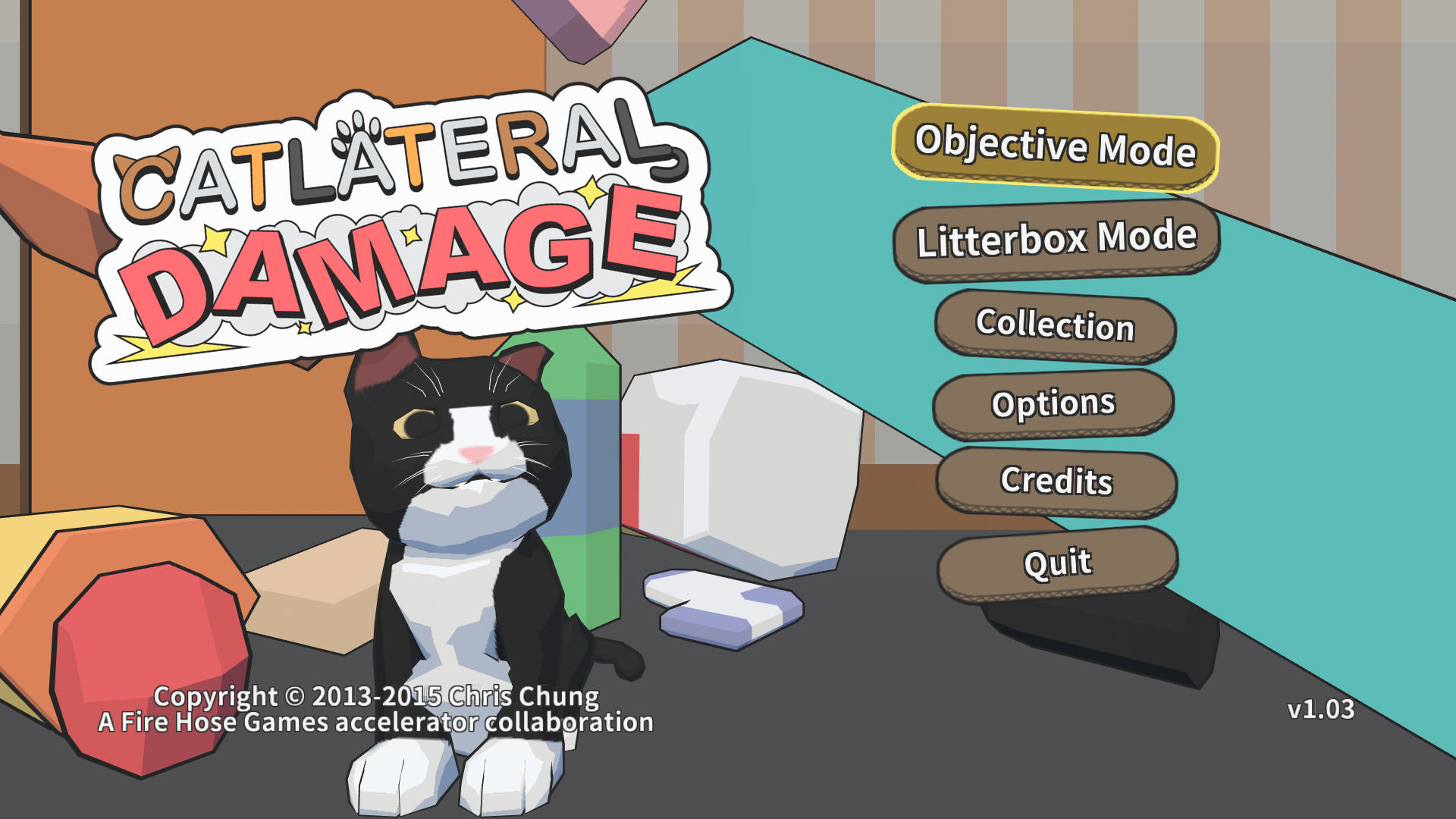
In Catlateral Damage’s Objective mode you play as a disgruntled cat who is upset with their human. Your goal is to knock over a certain amount of objects before your owner gets home. This means climbing on dressers, opening the refrigerator and swiping out all the contents, jumping on bookshelves and sending those classics to floor. There are multiple ways to accomplish your goal. You can pick items up with your mouth, ram things with your head, hold one of your legs straight out and runinto things, or swipe left and right with your paws. The absurd nature of the game, along with the cel-shaded graphics may remind some gamers of the Katamari series and that is never a bad thing!

When you first start a level your cat is slow and weak, but as time goes on you pick up a ton of upgrades that increase your speed, jump, and swipe ability. If you focus on finding upgrades you’ll be in great shape to dominate your owner's home. Some of the ways you find these upgrades is by interacting with objects such as the litter box, unraveling a roll of toilet paper, and interacting with cat toys that are around the procedurally generated levels. By the final levels your cat will be able to jump halfway across almost any room.

There are a guarantee of five levels per play through, but if you find a hidden object you can actually increase this amount. I personally was only able to find two extra levels during my play through, although I think there are more. To finish all of the levels will probably take you around 45 minutes to an hour. If you’re a trophy collector, you can pretty much guarantee that you’ll need about 5-6 hours to get all of them. Besides levels, you can also unlock different cats to play as by knocking over pictures of cats or by completing specific objectives that are related to trophies

Catlateral Damage also has a Litterbox mode where you can choose around 10 levels to play in without a time limit. This gives you the opportunity to play without the stress of a constant countdown. There are a few trophies tied to Litterbox mode, but other than that there’s not much to do.

The questions with all reviews is if the game is fun and worth a purchase. The simple answer is yes, however this does depend on what you’re looking for. If you’ve ever dreamed of playing as a cat whose main goal is to cause the destruction of a home then this is the game for you. It’s also a great game for anyone who is new to gaming or someone who likes games, but isn’t too hardcore. I honestly believe that a grandparent who has had limited exposure to video games could pick up Catlateral Damage and have an absolute blast. If you’re a casual gamer or have someone in your life who is, then 100%, no question Catlateral Damage is for you, but if you consider yourself somewhat above casual you may be a little disappointed.
Final Score: 3.75/5
Thank you to Fire Hose Games for providing the review code!

Hyperdimension Neptunia U: Action Unleashed Review
Hyperdimension Neptunia U: Action Unleashed takes characters from it’s JRPG series and drops them into their first action-RPG! Does this spin-off have what it takes to keep old fans happy while engaging new fans? Find out in this review!

Since Hyperdimension Neptunia’s debuted in North America there have been 10 total games in the series, but Hyperdimension Neptunia U: Action Unleashed is the first action-RPG set in the world of Gamindustry. The player will use 10 different characters to hack and slash their way through over 40 missions and 3 game modes.

Each character comes equipped with a different weapon that changes the way character plays. Some of the character weapons you should expect are swords, staves, hammers, guns, and even a lobster-like blunt object. These weapons dramatically change the way one character plays from another. The sword wielding characters will fill more natural to anyone who has played an action-rpg, but there are a few weapons that feel a little stiffer and out of place. Out of all the character weapons, Uni’s gun was the only that I didn’t really enjoy playing. At times it felt too stiff and it lacked a proper way to aim. This being said, I am impressed overall that out of 10 characters there was only one that I thought could use improvement.

As you start playing through the quests in Hyperdimension Neptunia U: Action Unleashed you’ll start to notice that a lot of the objectives are pretty similar. Most of the objectives revolve around killing bosses or killing X amount of enemies. I figured that after 8-10 hours this would start to become tiresome, but it never did. There is enough character interaction and story moments to keep the player engaged with the game. Let’s be honest, killing waves and waves of enemies can get boring, but Action Unleashed does a masterful job creating an experience that players will want to continue to enjoy.

One of my favorite aspects of Hyperdimension Neptunia U: Action Unleashed was medal collecting. Whenever you kill an enemy they have the chance to drop medals. Once you collect enough medals you can then use them to purchase accessories, better weapons, and global stat upgrades for all of your characters. Collecting medals is probably the most grindy thing you’ll run into during your experience, but it doesn’t take too long to collect them all.

The Hyperdimension series is no stranger to fan service. In Action Unleashed you’ll find yourself battling groups of enemies when all of sudden your clothes get ripped off! One feature that may please gamers is that you eventually can get clothes that rip easier or clothes that don’t rip at all. So regardless of how you feel about fan service, Action Unleashed gives the option to enjoy the game as you’d like.
Overall Hyperdimension Neptunia U: Action Unleashed is a game that I feel that anyone who enjoys the Hyperdimension and/or Dynasty Warriors series would have fun playing. It’s also a great game for people who want an introduction to the Gamindustri, but aren’t the biggest JRPG fan.
4.75 out of 5 stars
Thank you to Idea Factory for supplying the review code.