

Headlander Review
Is Double Fine's first Metroidvania style game worth your time? Find out in this review of Headlander!
When I first played Headlander at the 2015 PlayStation Experience I got the impression that it was a puzzle game, but within the first 30 minutes, I realized that I was wrong. Headlander has rich environments, a lot of useful upgrades, and a good amount of reasons to want to explore.
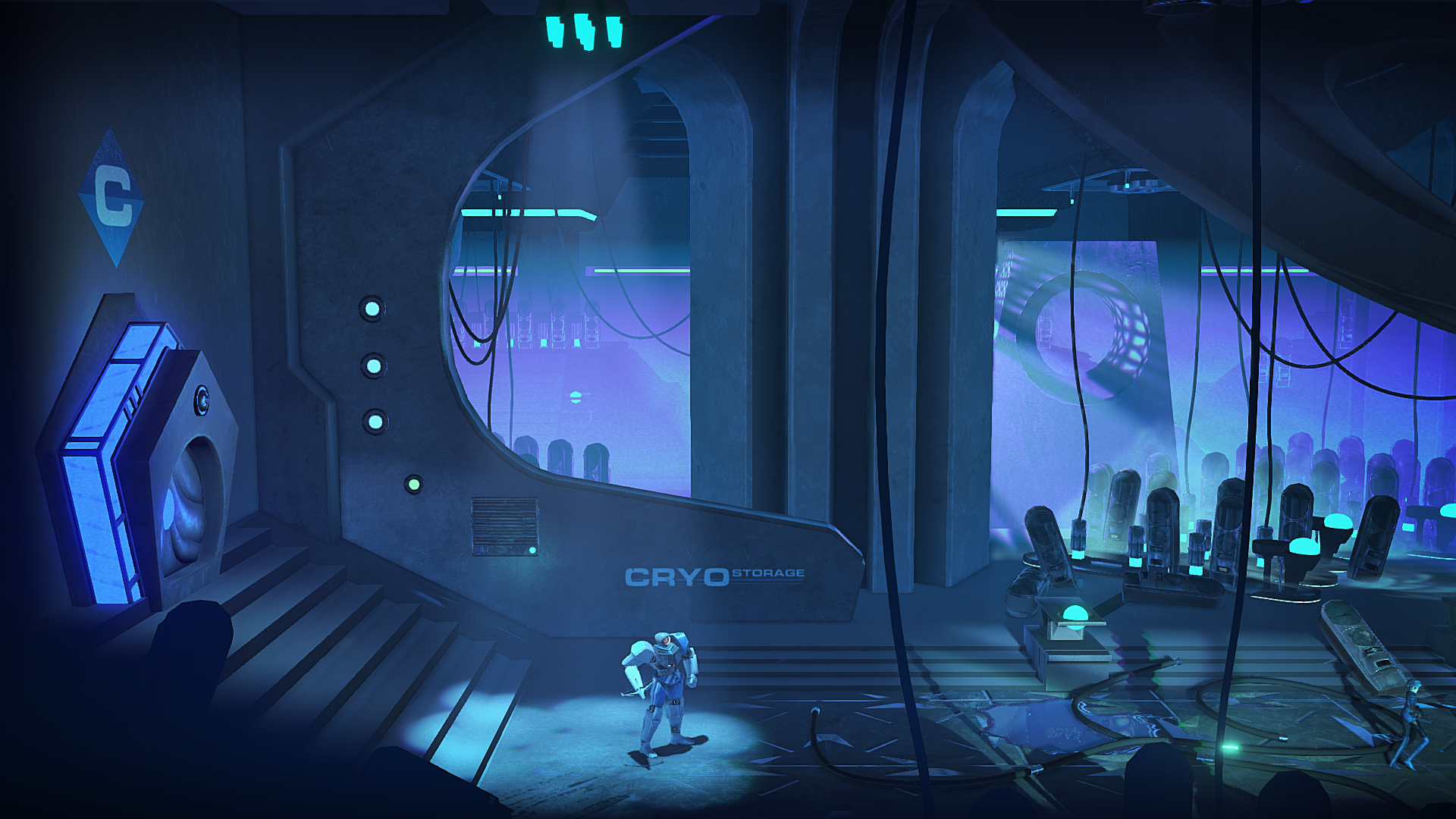
The first thing you’ll notice is the 1970s sci-fi aesthetic – and of course, the fact that you are just a floating head. Your primary ability is being able to tear the heads off bodies and then taking over the body. As the game progresses, you’ll encounter different colored enemies. These different colored bodies grant you access to different areas of the map. For the most part, the correct enemies that you need to progress are pretty close or will spawn within a few seconds allowing you to continue on your adventure without much effort. In fact, I found that even though Headlander touts itself as a Metroidvania style game, most of the time I was going forward and completing objectives without really having to backtrack. This sort of contradicts what I typically think of Metroidvania games, which is slightly unfortunate because I wouldn’t mind spending a little more time in the world of Headlander.
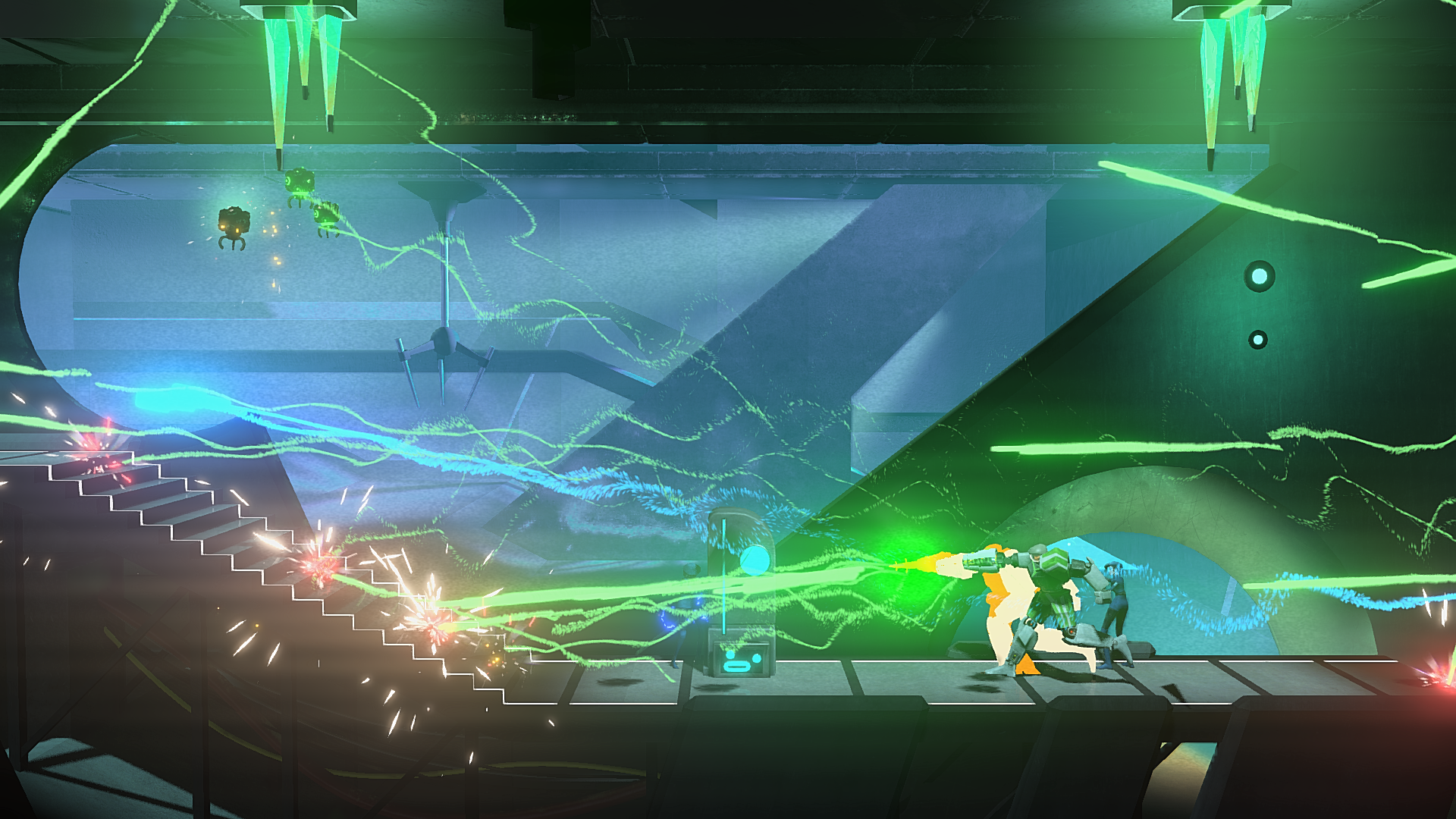
You can upgrade both your body and your head abilities by finding orbs, secret rooms, and completing side missions. By upgrading, you can increase your ability to suck enemy heads off, speed up your regeneration, increase your thrust and health and plenty more. Even if you just tried to blast through Headlander you would still find a decent amount of upgrades, which is great because some of the abilities that you earn are absolutely essential to making sure that you succeed on your adventure.
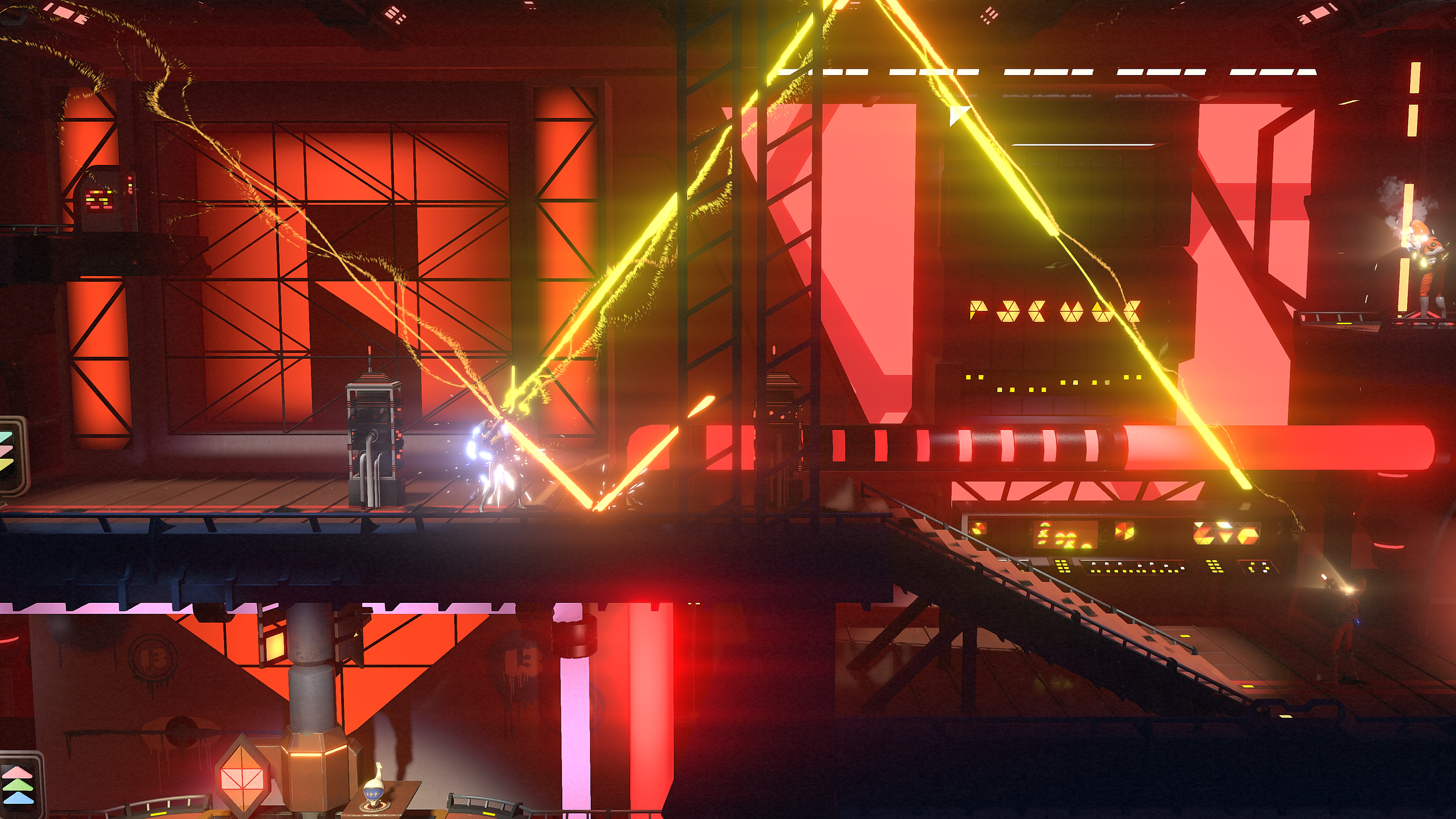
The combat in Headlander gets progressively more intense. The early bodies that you get have a pretty simple shooting mechanic that will slightly bounce off of the walls, but as you continue your laser shots will start to bounce a lot more. The bad news is that the enemies also get these upgrades. So what starts off as a cool little mechanic eventually makes you feel like you are playing a hell-shooter. Luckily, dying doesn’t punish you too much.
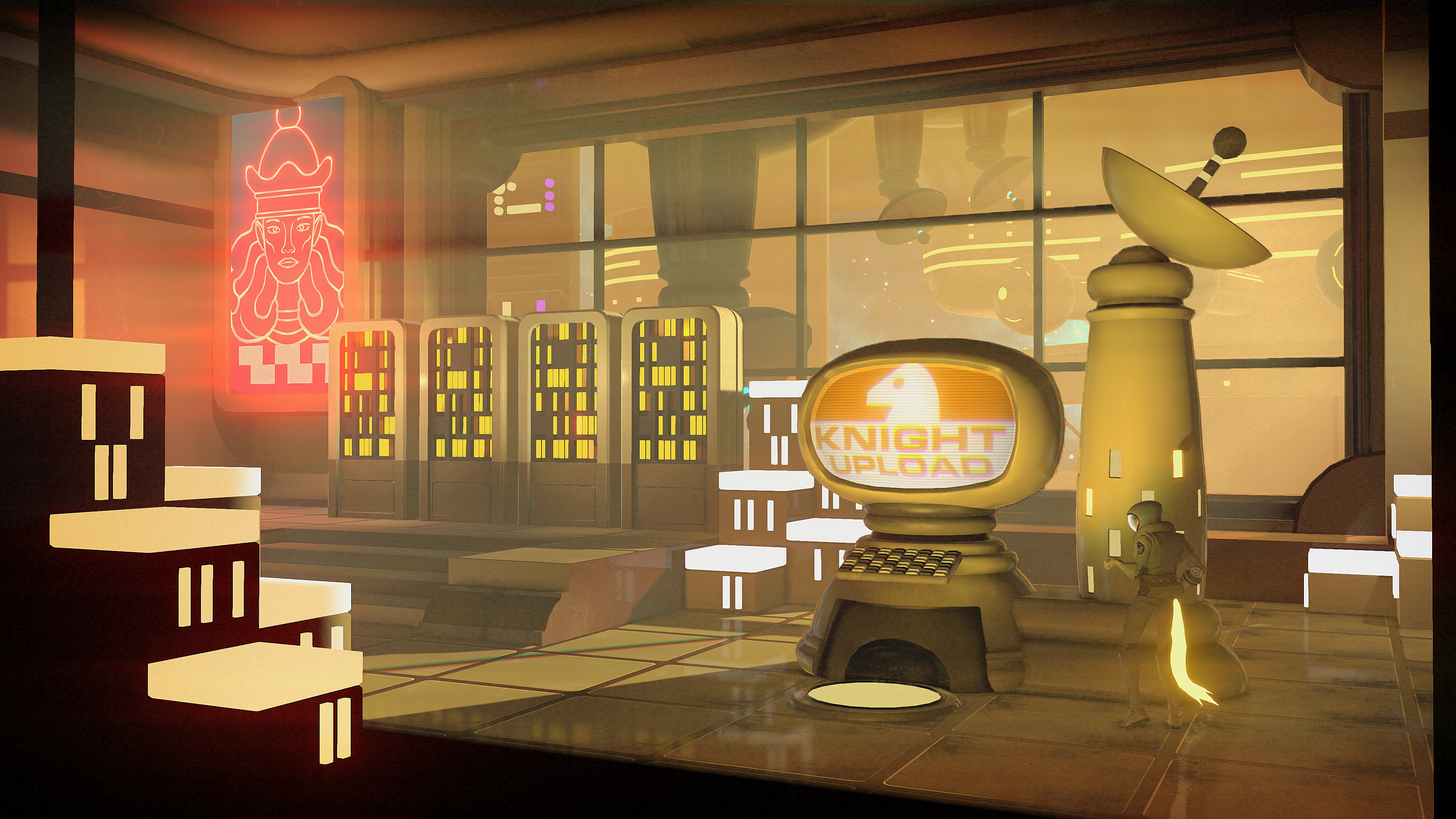
Headlander features a couple awesome bosses, but unfortunately, there were only two. They both require you to use both the head and body mechanics to destroy them, which I really enjoyed. The game could have easily just made you use your shooting abilities and completely ignored the power of your head. Although Headlander is not a very long game there should have definitely been at least one more boss – especially since the ones that are in the game are a lot of fun.
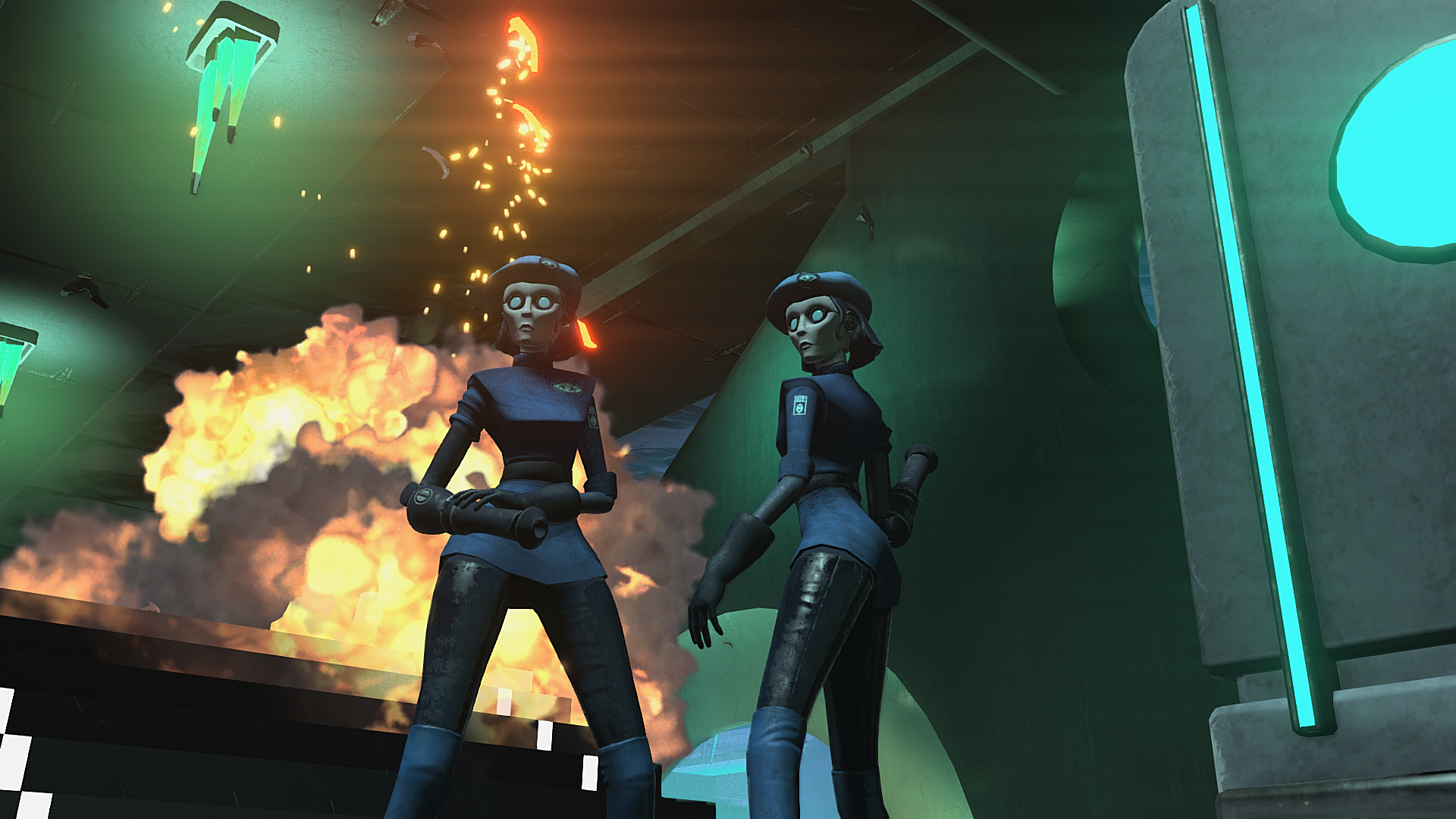
Now being a Double Fine game, Headlander features a quirky story and a ton of humor as you might expect. This specific game was created from Double Fine’s Art Director, Lee Petty, who was the project lead of the hilarious and brilliant, Stacking. I bring this up because if you played Stacking and enjoyed it, then Headlander is definitely a must play and if you haven’t played Stacking, I couldn’t recommend it enough.
The overall experience took me a little over five hours to complete. Because I was constantly making progress, I felt that I didn’t get to enjoy the world as much as I’d like. Also, Headlander could definitely benefit from adding one or two more boss fights.
4 out 5 stars
Thank you very much to Double Fine for providing the code.

Hands On With The Golf Club 2
The Golf Club 2 looks to expand on the success of the franchise by adding a ton of new features. Find out what's new in this hands on!
I think it’s safe to say that golf games are designed for golf enthusiasts. The Tiger Woods series definitely opened up the genre to a wider audience, but without a big star’s name on the cover, most people probably wouldn’t give a golf game the attention it deserves. While these games may not be at the top of everyone’s priority list, Golf Club 2 has a good chance to be the golf game that returns everyone to the genre.

Usually when a golf game comes out, you can expect it to have licensed courses, but being a small developer HB Studios has decided to go a different route by creating an incredible course editor. In the first Golf Club, users created over 108,000 courses. This allows HB Studios to rely on an obviously healthy community and invest money in improving gameplay, as well as updating their course editor. One major improvement to the course editor is that users will be able to import their maps from the original Golf Club and add new features like waterfalls to their course.

The gameplay is fairly straight forward, but by no means easy. You use the right analog to pull back on the club and then push forward to drive the ball. The key to success is timing your swing and making sure the ball goes straight. After playing the game for about 30 minutes, I felt comfortable getting to the green, but putting is a whole different beast.

Putting uses the same mechanics, but trying to figure out how far you should pull back and how fast you should push forward can really become a challenge. The best I could do out of all the courses I played, was getting a birdie on a par 5, which means 4 shots total.

Having an easily accessible golf game with one of the best course creators I’ve ever seen in any game makes my Golf Club 2 experience a hole in one! Yes, I did go there.

Hands On With Maximum Games Road Rage
Come take a ride on the wild side with this hands on of Maximum Games, Road Rage!
Remember how much fun it was to cruise around the streets and bash people with chains, bats, and billy clubs in Road Rash? Motorcycle combat games have basically disappeared, but Road Rage plans on bringing them back in a big way with a large open world, four player online, and (possibly) four player split screen.

When you first drop into the fictional world of Road Rage you’ll find yourself wanting to explore this massive city. I cruised around the downtown area known as Subtroit bashing pedestrians with my bat before I even thought about starting a mission. The feeling that I had been missing since the days of sitting around playing Road Rash had returned.

Once I returned from my childhood memories and came back to reality it was time to play a mission. Road Rage features checkpoint based races, circuit races, escort missions, races across the city and assassination missions where you have to attack a specific rider. I started up a checkpoint point expecting to bash and crash my way to victory! Except that didn’t happen. The AI is definitely out to get you. This isn’t a game that puts the power into your hands and the AI will just let you crack them in the back with a baseball bat. You always have to be aware of your surroundings.

Road Rage also features tons of performance and non-performance upgrades that you can do to your bikes. Each bike has separate upgrades as well, so leveling up all of your bikes is going to take a fairly long time. I couldn’t get a solid number of characters, but was told that there will be more than 10 and less than 20. Each character has different attributes and you have to unlock them. There isn’t a character customization, but we can always hope for that in Road Rage 2.

I was so desperate for a motorcycle combat game that I even pre-ordered and played through Ride to Hell: Retribution. If you don’t know what Ride to Hell is all about, go watch a few YouTube videos - it’s not pretty. Road Rage seems like the game that will finally deliver the experience we’ve been waiting for and will be released in the fall of 2016.

Hands On With Compulsion Games We Happy Few
We Happy Few takes crazy to a whole different level! Here are my impressions from my Hands on with We Happy Few!
At the Microsoft press conference, I was taken back by a strange looking game called 'We Happy Few.’ Described as a 1960s dystopian urban survival game, you play as the only person who’s not high on a drug called Joy. Not taking your happy pills classifies you as a “Downer." Your goal is to escape a city that is on an island, by traveling through different biomes and areas of the city.

The first thing you’ll notice are the visuals. There is a slight Bioshock feel, but the true inspiration for We Happy Few came from movies from the 1960s. Compulsion Games’ art director has a very unique style that you may recognize from the PlayStation 4 launch title Contrast.
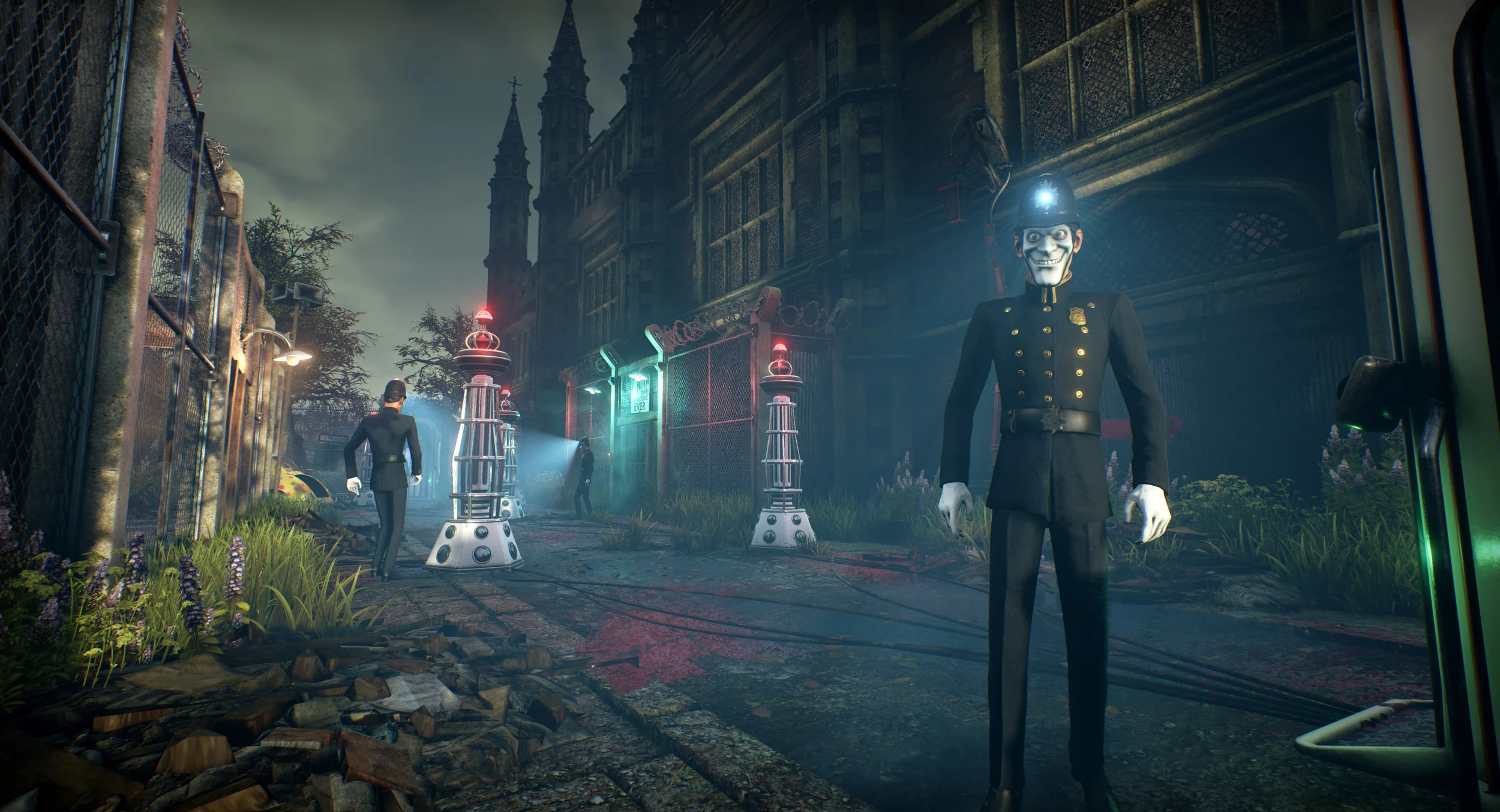
Crafting seems to be a major part of We Happy Few. The nature of it being a roguelike survival game means that permadeath is a very real possibility. They have easier settings that will prevent this, but the truth is that this isn’t just a game that you can run through, die, hit a checkpoint, and continue on. You really need to think about your approach and take it slow.

I only played as a one Downer, but there are three total that have interweaving stories. I definitely wish I could have had a little more hands-on with We Happy Few, but with the early access coming July 26th it won’t be long before I can jump right back into this paranoid, drugged out English city.

The full version of We Happy Few will coming out on the Xbox One and Steam early next year.

Kick and Fennick Review
The underrated PlayStation Vita game, Kick and Fennick, makes it console debut! Find out if a game about a boy, a friendly robot, and a psychotic mech is worth your time in this review!
Kick and Fennick originally made its debut February 3rd, 2015 on the PlayStation Vita. It launched as a free PlayStation Plus game, but was overshadowed by the critically acclaimed Transistor and Rogue Legacy, which were also free that month. The fact that it was developed by a small studio without a long history, published by a company not a lot of people know, and put it on a console that doesn’t get much attention, you find a recipe for a game that is bound to go unnoticed. Now with Kick and Fennick coming to Xbox One, PlayStation 4, and Wii U it’s getting another chance to find a place in the hearts of gamers.
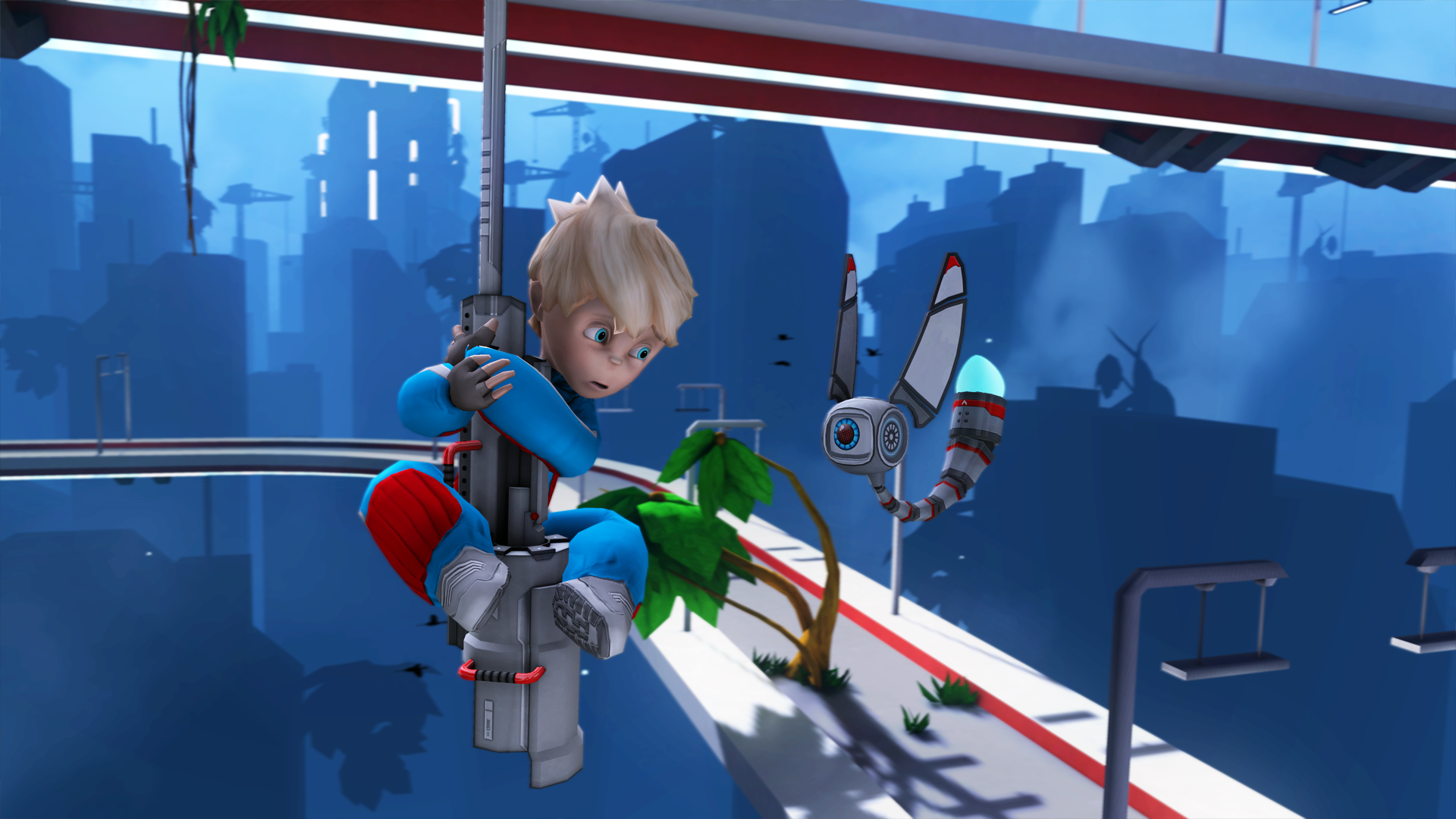
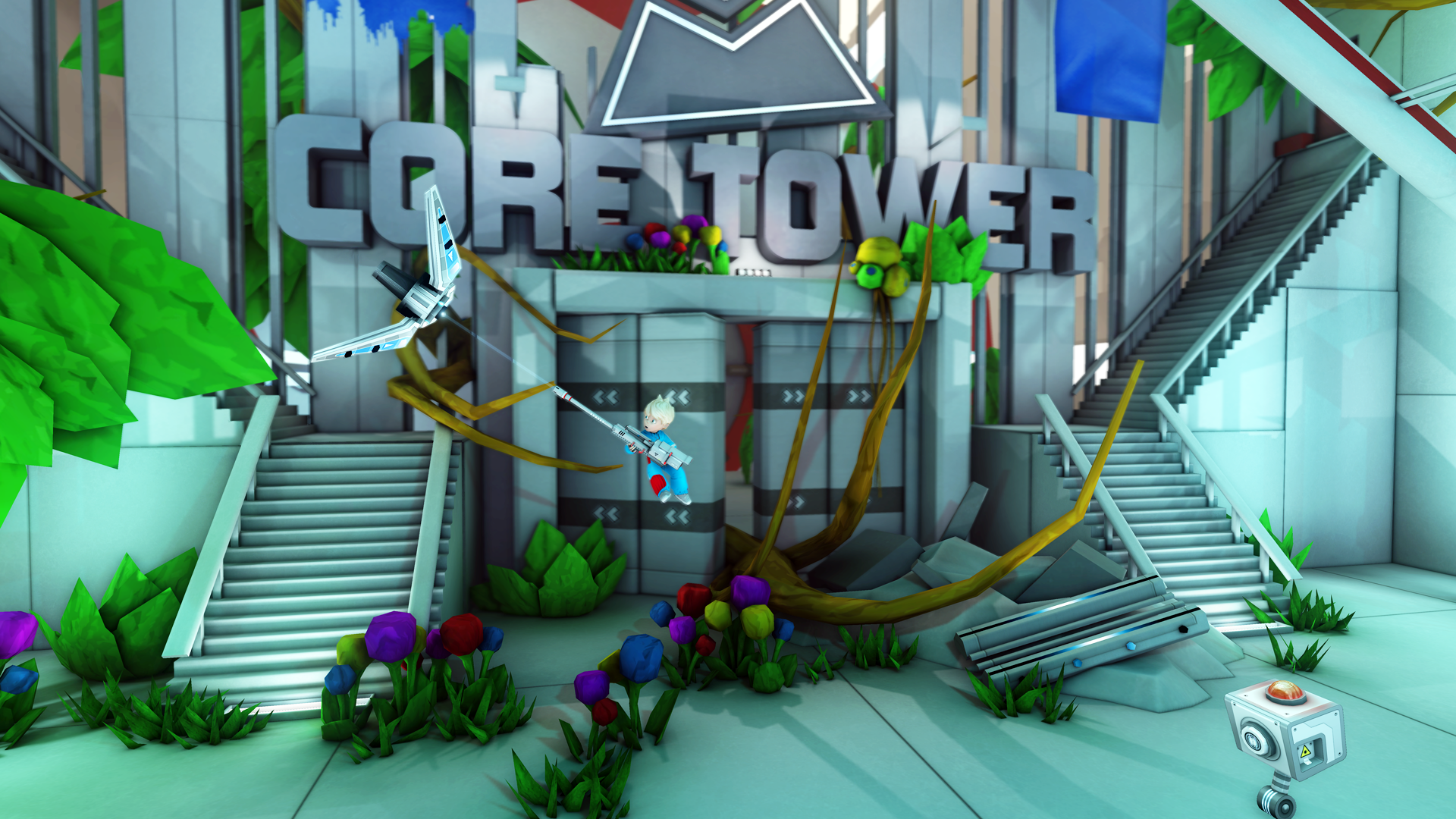
After waking up in a mysterious place, Kick meets the flying robot, Fennick. After Fennick saves Kick from a large robot that is set on destroying everything that it comes into contact with, the pair realizes that Fennick’s battery is broken and they must find a replacement. You basically get an introduction to a story and then it’s never developed into something bigger. It’s easy to overlook this while playing on the Vita, but console gamers may not be so forgiving.
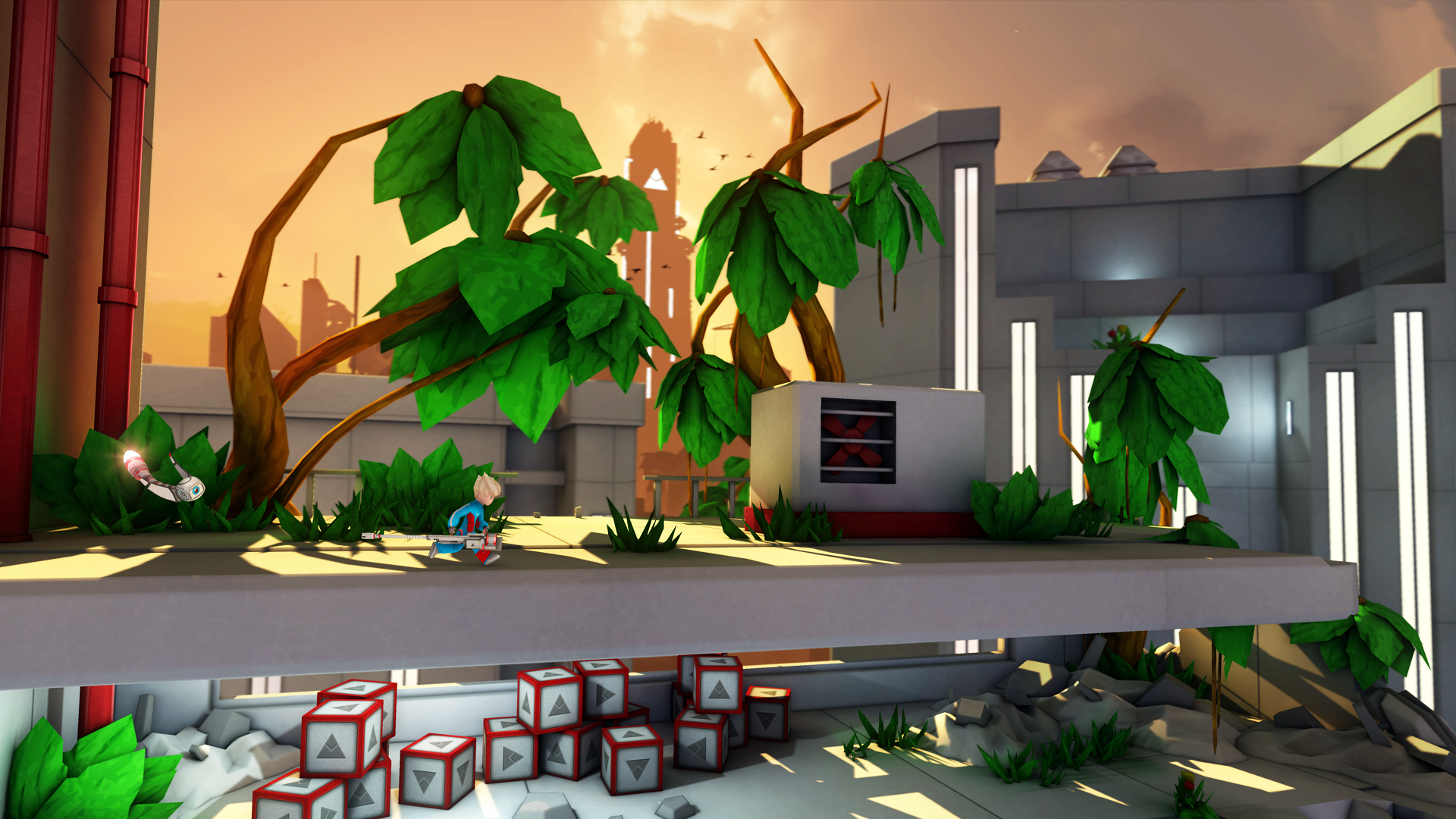
The game spans over 5 worlds and 45 levels. Your main tool is a gun that both propels you through obstacles and shoots enemies. Precision is the key to Kick and Fennick. There are times when you’ll need to launch yourself through lighting rods, bounce on moving platforms, and slide along rails that move you at a high rate of speed. Whenever you miss your target and fall to your death you are respawned at the nearest platform, but if you die too many times you have to restart the level.
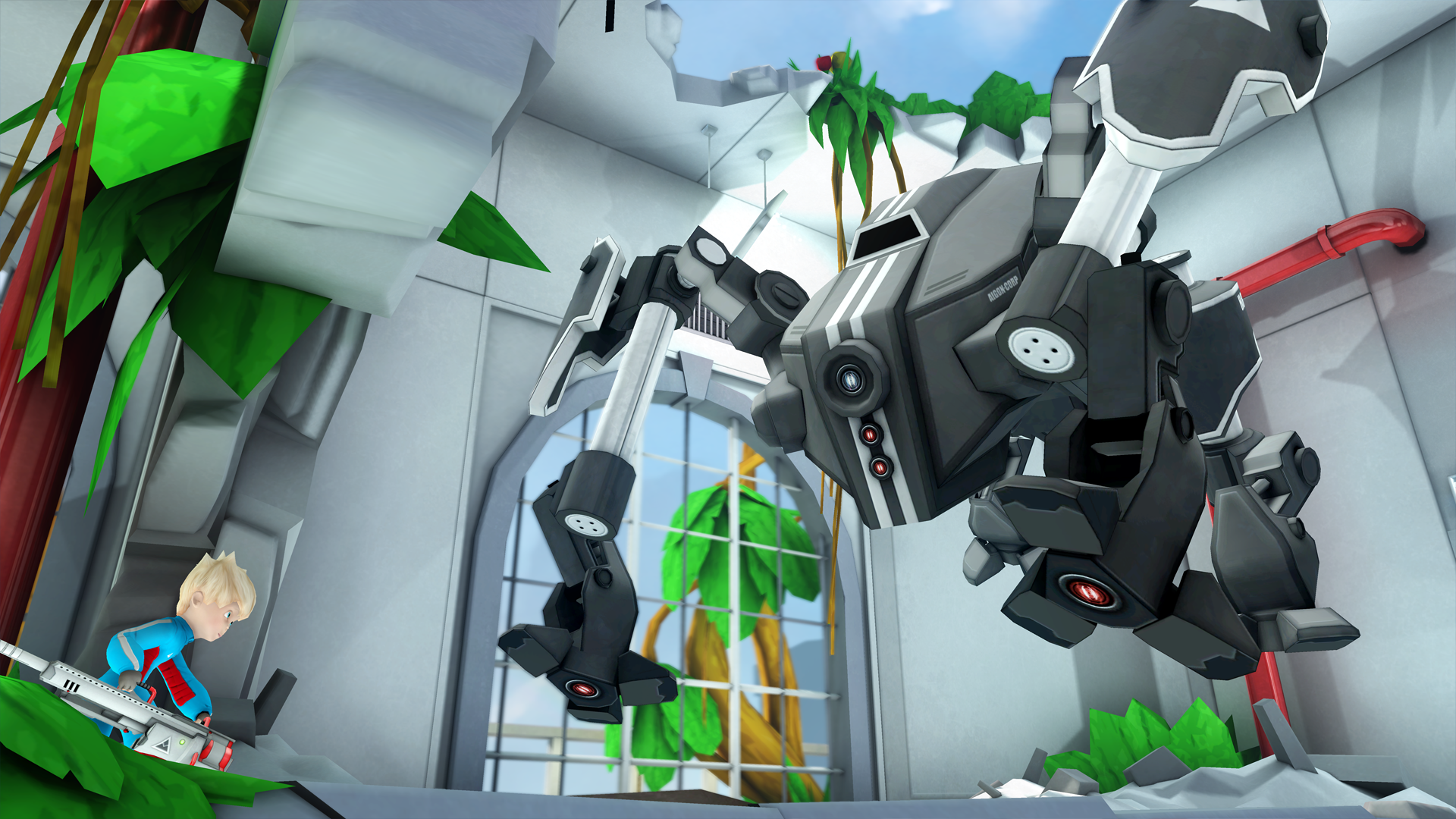
At the end of each world, you are confronted by the mech that is set on annihilation. Luckily, Kick and Fennick can get creative and use their wits to outsmart the silly, psychotic robot. For the most part, the boss fights use the skills that you develop over the course of your adventure, but the final boss fight throws something completely brand new in and it’s really confusing. I’m not going to spoil anything, but this didn’t set well with me. By the time I reached the final boss I was roughly 5 hours into my journey. I had played Kick and Fennick before on the PlayStation Vita, so I knew what to do this time around, but without any indicators that something new is required will leave some gamers confused as what to do. Also, the jump mechanic gets really extreme at the end of the game and it’s hard to get your bearings for a little bit.
Overall, Kick and Fennick is a fun adventure that will take you around 5-7 hours. The lack of an engaging story is biggest shortcoming of Kick and Fennick, but even without that I do think that this is a game a lot of people would enjoy.
3.75 out of 5 stars
Thank you to Abstraction Games for providing the code.