

The Silver Case Review
Suda 51's very first game is back with HD graphics! Find out if The Silver Case remastered is worth your time in this review!

Release Date: April 11th, 2017
Developer: Grasshopper Manufacture
Platforms: PS4 and PC
Price: (PC) $19.99 / (PS4) $29.99
Visual novels are just gaining steam here in North America, but they've been a staple in Japanese gaming. The Silver Case, which was originally developed by Grasshopper Manufacture in 1999 for the PlayStation, adds a little extra flair to the genre by including first-person point-and-click adventure style gameplay.
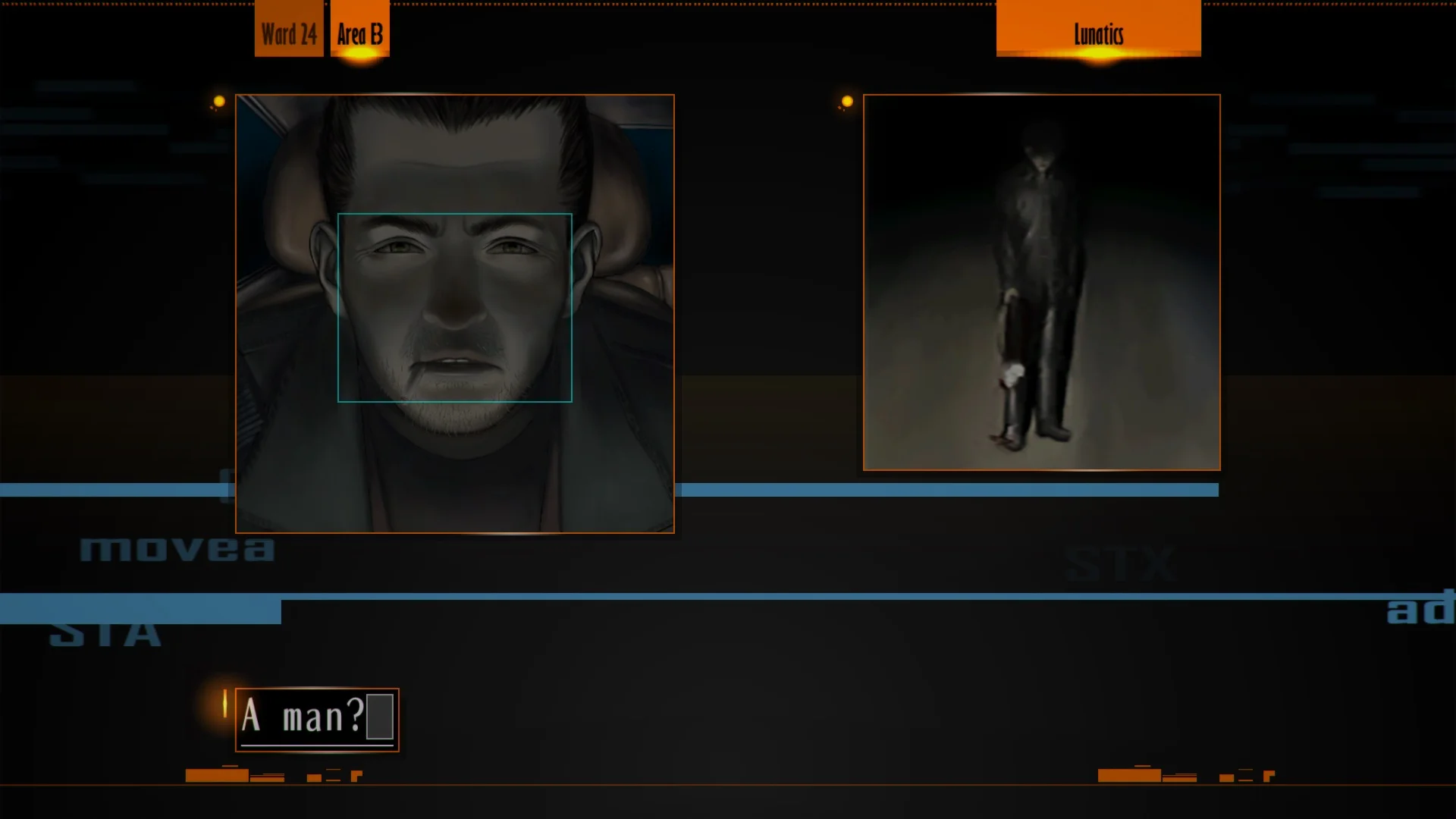
The game takes place over the course of five different cases all which are somehow related to the legendary serial killer, Kamui Uehara. The game is divided into two different scenarios: Transmitter and Placebo. Transmitter follows a rookie cop who joins the 24 Districts Police Department while Placebo follows reporters who are piecing together details to write about the Transmitter events. At first, I thought that the Placebo portion was just a small little side thing, but it actually helps expand on the events of the main story and definitely deserves to be played.

One of the interesting things about The Silver Case is the fact that it's an HD remaster of a PS1 game. When playing, it almost feels like you're playing a new game that's trying to be retro. With PS2 or PS3 remasters they can easily be modified to look like a modern game, but PS1 games were all blocky and weird looking. With that being said, this adds to the charm of The Silver Case and makes for a unique experience.

The controls in The Silver Case definitely took some getting used to. You have to press triangle to bring up a menu and select an action. This is something that you have to do whenever you want to move, interact with something in your inventory, or look at something. This is one of the drawbacks that could potentially happen when you remaster an old game.

While the majority of the game does a good job moving you along, there are a few parts that define the word tedious. There is a part particularly towards the end, where you have to thoroughly investigate 10 towers. All the towers have the same layout, but it's very easy to miss something. Furthermore, every time you enter a tower you have to pull up your menu, select move and then move forward. Ideally "move" would just always be the default setting, but that is not the case.

Another thing that might turn people off is that The Silver Case is pretty vulgar. We keep The Gamers Lounge family friendly so I won't write any of the words here, but it will be interesting to see how people feel about the language when they play it. There are even a few sexist parts, which I personally feel is actually about the characters and their behavior, than a reflection on the developers. The main reason I am bringing all of this up is because it shows how different games were in 1999 and even how different games are Japan. This is refreshing though, because it's nice to know that the developers kept the game in its original form.
Overall Grasshopper Manufacture's remastered version of their first game will take you about 15 hours to complete. For anyone who is a fan of Suda 51 and company, or if you're looking for a game that gives a unique experience, The Silver Case is definitely worth a playthrough.

Pros:
- Interesting Story
- Unique experience
- Rich characters
Cons:
- Can be tedious
- Controls are outdated
The Silver Case was reviewed on the PlayStation 4. Thank you to NIS for providing us with the code.

FATED: The Silent Oath Review
FATED: The Silent Oath takes a cinematic approach to virtual reality. Find out if you want to embark on this journey in this review of FATED: The Silent Oath!
Mass VR is still relatively new, which means that we are going to see a lot of experiments and different approaches to types of games. FATED: The Silent Oath minimizes gameplay and focuses more on an interactive cinematic experience that puts the player right in the middle of a beautiful 3D animated movie.

In the beginning of FATED, you find yourself on a carriage near death. A god comes to you and tells you that she will trade you your life for your voice, meaning that going forward the only way you can communicate is by nodding yes or no. This way of interacting felt new to me although I don't think very much changes based on your choices.

As the story starts to develop, you begin to discover that the lives of everyone you know have been shattered by the return of angry ancient gods. Everyone in the town, including your family, is feeling a sense of dread, so it's your mission to bring everyone together while protecting your family.

As I mentioned before FATED is more focused on a cinematic experience rather than gameplay, but the few gameplay moments all work incredibly well. You'll find yourself hunting for food, driving a horse and carriage, and solving a few puzzles over FATED's five acts. While none of these parts are extremely long or very challenging, it does help to push the story forward.

Another nice aspect is that graphically FATED is one of the best PSVR games that I've played. The scenery is gorgeous and the characters have a cartoon quality that's a bit Pixar-esque. The only drawback is that this experience lasts just over an hour, so while you may fall in love with the world FATED does end a bit too early. Without spoiling anything, I, unfortunately, have to say that when the game ended I was completely caught off guard. A major dramatic event takes place then the credits roll leaving you wondering what happened? It honestly feels like the end of a TV episode and that you have to tune in the next week to find out what's going to happen to these people that you've become attached to. This is a real bummer because the entire game is focused on the story and to come up short really hurts the experience. I even played the fifth act a few times to see if there were multiple endings just to be sure, but I always got the same results.

FATED: The Silent Oath does a great job introducing the concept of interactive cinematic experiences to the PSVR, but with the abrupt ending it feels more like a long tech demo rather than a complete game. The world is gorgeous, the interactions work well, but you will most likely be let down by the ending.
3.25 stars out of 5
Thank you to Frima Studio for providing us with the code.

Old Time Hockey Review
Arcade style hockey is back! Find out if Old Time Hockey delivers a massive hip check or if it should be put in the penalty box in this review!
Old Time Hockey takes all of the best aspects of hockey and puts them into one arcade style game. There are plenty of fights, hard hits, and injuries to keep you entertained for a while, but a few frustrating elements leave this game coming up a little short.

One of the most interesting parts of Old Time Hockey is the story mode. You play as the fictional team the Schuylkill Hinto Brews who are a bunch of violent drunks who happen to play hockey. During each game in the story mode, you have certain objectives you have to complete before you can advance. These can range from simply winning the game to winning x percent of faceoffs. There are also secondary objectives that you can complete that will help level up your team's skills. The issue with this is that each period is either 2 or 3 minutes depending on the difficulty you're playing on, meaning each game is either 6 or 9 minutes and the pace of play matches something that's more like a real NHL game. If the speed of the players were increased I don't think that this would be as big of a deal.
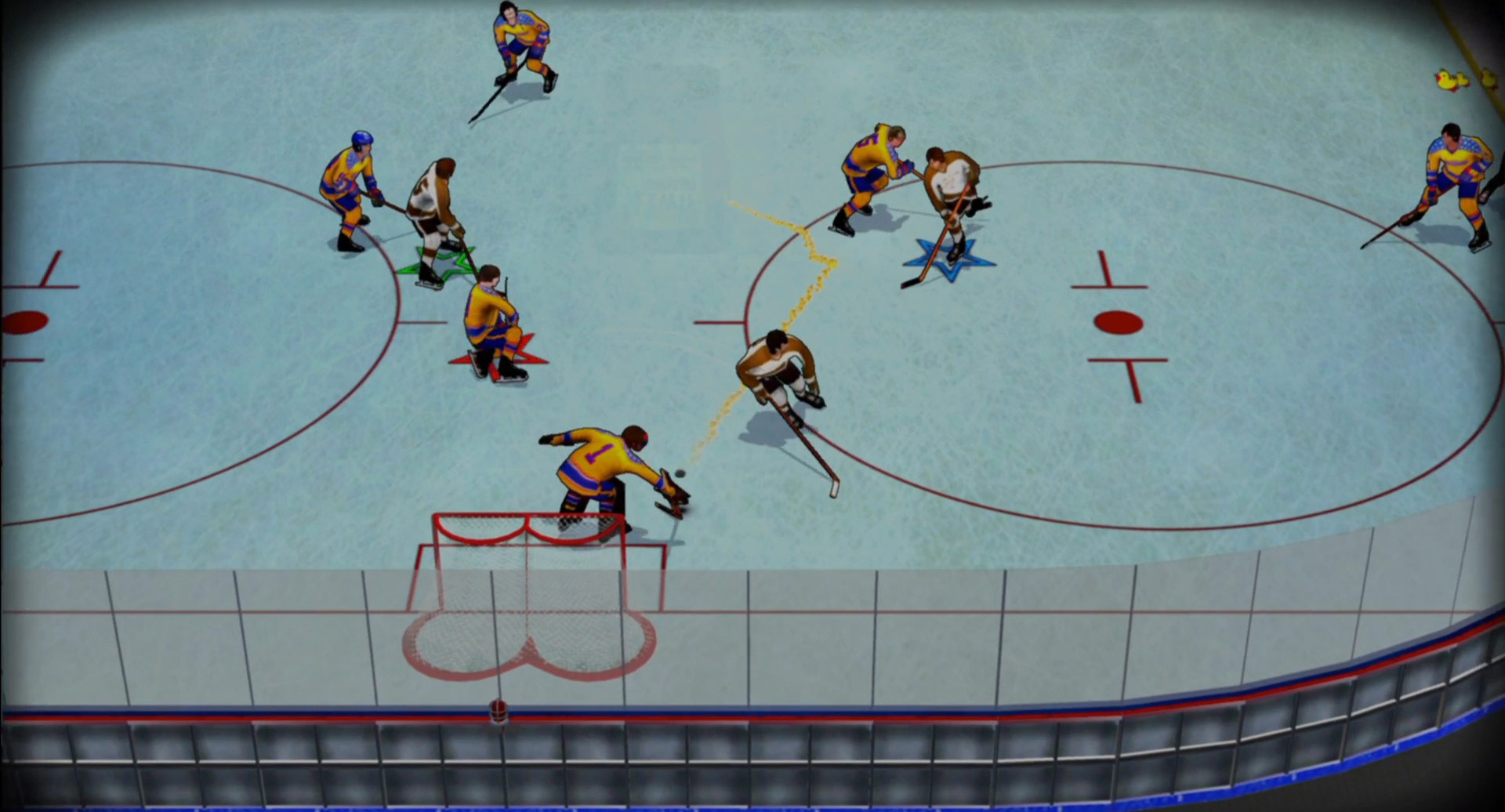
Old Time Hockey also frequently introduces new mechanic tutorials as you progress in the story. If you happen to fail or get stuck on one of them then you have to start the tutorial from the beginning. There was one objective where I had to fight with the opposing goalie that proved to be extremely difficult not only because of the requirements and the time limits, but because the camera always follows the action and you can't start a fight when you have the puck.

One of the things that I wished I knew before starting the story mode was that you don't have to win the games to begin with. I think that most gamers feel that their objective above all else is to win, especially when you're dealing with a sports title. Once I learned that the game was just putting me through a long tutorial, things got better. The story mode even includes funny newspaper headlines and loading screens that keep you up to date with hilarious things that are happening to your team while they're not playing. Also, Old Time Hockey features an awesome broadcaster that does a great job making the action feel real.
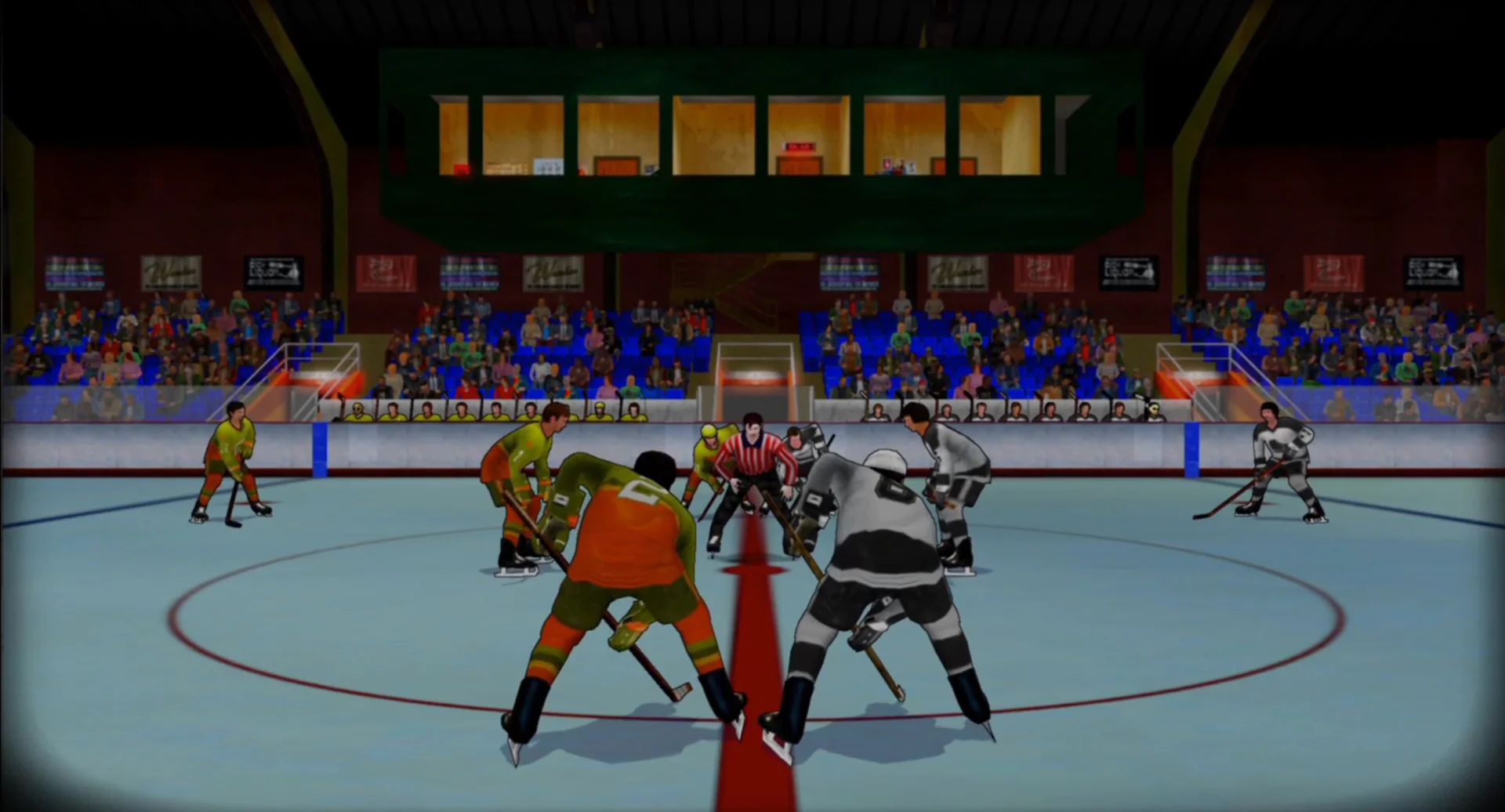
The mechanics in Old Time Hockey work well overall. There is an "on fire" feature a la NBA Jam where you gain an advantage for hip checking your opponent three times or getting on a power play. There are also frequent fights where you have to dodge and punch. If you successfully knock out your opponent, they become fatigued or injured. If they become fatigued, then their offensive and defensive skills diminish drastically. This can also happen to you, so be careful. If you happen to injure enough players on the other team, they are forced to forfeit the game. If you're super proactive in making this happen and winning the fights, you can definitely pull it off, but because the periods are so short you may have trouble doing this.

The game also features a couch coop exhibition mode that allows up to 4 people to play with or against each other. Old Time Hockey is definitely an arcadey game that hockey fans would enjoy playing with friends or family.
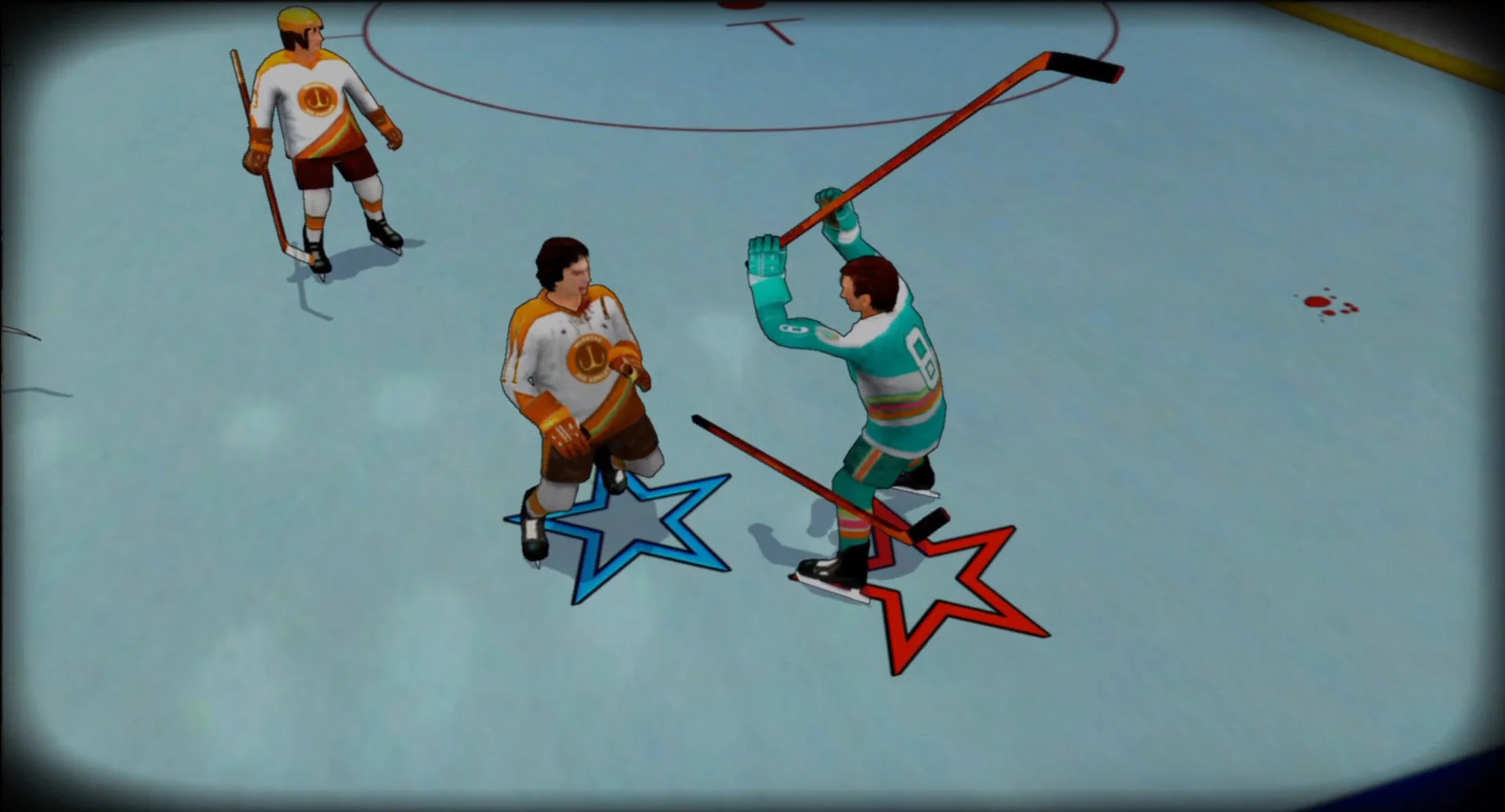
Overall, Old Time Hockey does come up a little short. After I played through the story mode the first time and I had a better grasp on the game it did become more fun, but unfortunately, that took too long.
2.75 out of 5 Stars
Thank you to V7 Entertainment for providing the code.

Unearthing Mars Review
Unearthing Mars sends you on journey of discovery to the red planet. Find out if this is a trip you want to take or if you better off staying back at home in this review!
Generally, there are two types of VR titles; experiences where you are immersed in your surroundings with very little interaction, and games which can be almost anything; rarely do we see a title that is both. Unearthing Mars combines these two elements into an interesting story with some surprisingly fun gameplay.

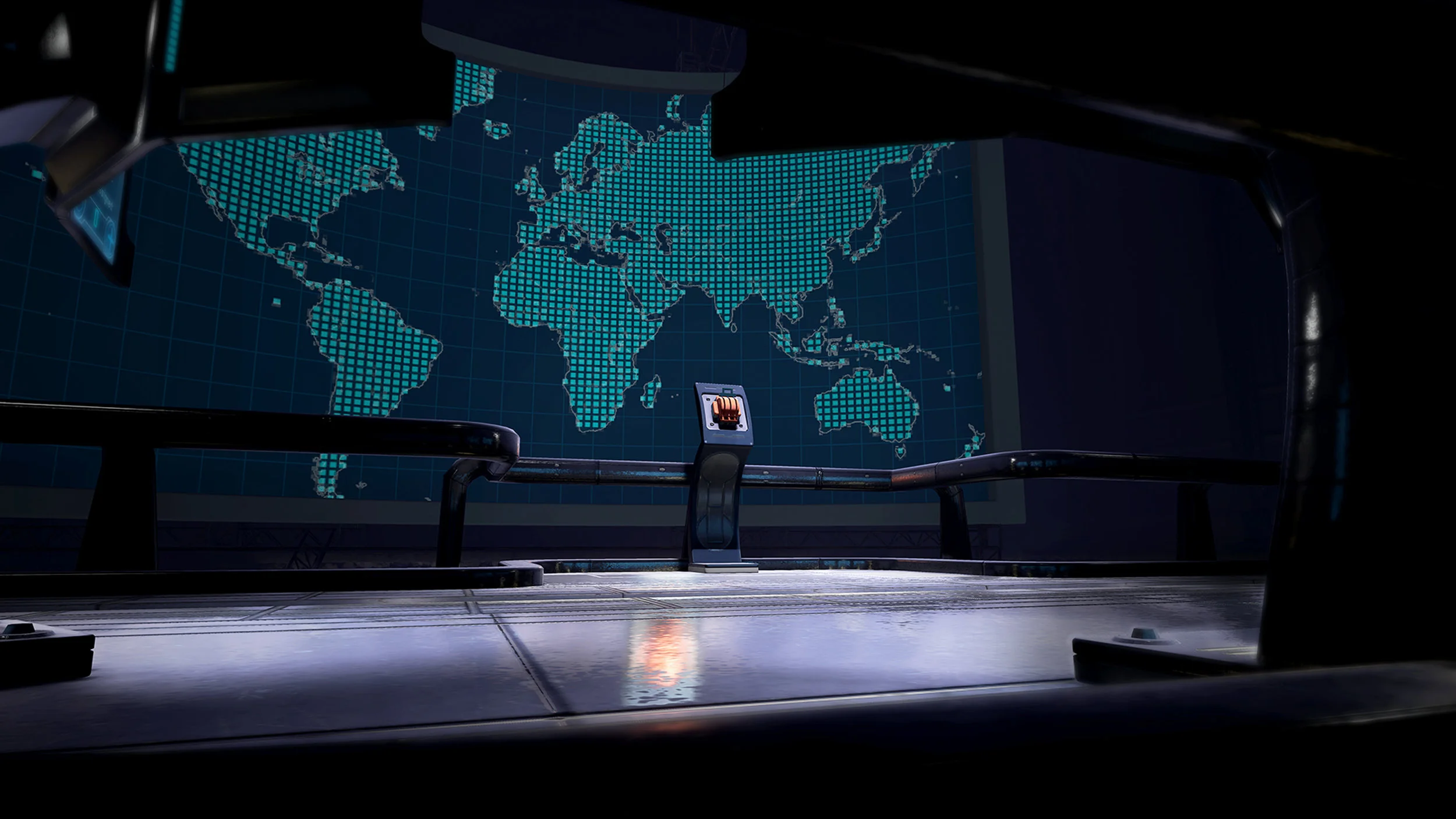
When Unearthing Mars first starts, it doesn't do itself any favors. You are standing in front of a large holographic map of Mars listening to two people who sound robotic talk back and forth to each other. There are a few interactions like responding to two people and spinning around the Mars map, but then the chapter ends and you're left wondering "what did I get myself into?" These reservations are rightfully felt, but if you just give Unearthing Mars a little more time you'll discover an odd but interesting game.

The second chapter puts you in the seat as a copilot aboard a spaceship that is headed for Mars. You and your commander have to work together to ensure that you land safely. If you mess up along the way, you lose something similar to health and if you do too many wrong inputs, you ultimately fail. After you safely guide your ship to Mars, the game really starts to open up.

Once you're out of your spaceship you can move around by hopping around to different designated areas. It seems like the biggest hurdle for any VR game is how to move your character without making the user feel nauseous. While I didn't feel any discomfort with Unearthing Mars, I did find the way you move to be a little odd. To move you simply aim the PlayStation Move Wand and click on one of the designated areas. The issue with this is that for some reason there is an arch added to the movement rather than just a straight line. This means to move somewhere far away you need to point the Move wand up at an angle instead of just straight ahead. It's an odd design choice and it just doesn't feel natural.

Voice acting has to be one of the hardest things to nail because it seems that so many indie games have trouble with this. I mentioned earlier that the voices between the two characters sounded robotic, but fortunately the voice acting gets progressively better as it begins to sound more natural. This definitely helps the immersion because you are no longer focused on how bad the characters sound.

The objectives in the game are pretty easy to figure out which keeps the story going. The entire experience will take you about one and a half to two hours to complete. You may run into a few parts that take some thinking, but for the most part, you won't have any issue completing the game. The best part of the game comes towards the end when you get to battle against hordes of evil aliens using a shield and a gun. This part came totally out of the blue and I wish that there was more of it, but regardless, it was an absolute blast.

Overall, Unearthing Mars is rough around the edges, but it does have its charm. The world is developed nicely and there are some interesting gameplay elements. If you feel like you've exausted all the PSVR choices then you may want to give Unearthing Mars a chance, but don't expect to be blown away.
3.5 out of 5 stars
Thank you to Winking Skywalker Entertainment for providing us with the code.

Mervils: A VR Adventure Review
Have you been itching to play a new VR game? Find out if Mervils: A VR Adventure is the game you've been looking for in this review!
As time goes on, PlayStation VR games are starting to become longer and more in-depth. Mervils: A VR Adventure is an action-adventure platformer with RPG elements. You take control of an adventurer who is sent out to find the pages and bind the Great Mervil Book so you can defeat the dark sorcerer "Balazar the Evil."

The first thing you do is create your character. You might expect to have this option in a game that has RPG elements, but in fact, this is the first PS VR game that I've played that included it. Once you're done with your creation the fun really begins.

Each world is wildly different from each other. There's a fantasy kingdom, the wild west, an arctic level, a pirate level that includes an underwater portion and a final boss level. Within each level, you'll find a bunch of quests to complete, hidden areas, treasure chests, a final boss fight and of course, pages of the Great Mervil Book. The interesting thing is that you don't actually have to find all of the pages of the book to continue to the next level, however, if you don't find all of them, it makes upgrading your equipment incredibly difficult.

One of the most difficult things for VR games appears to be addressing the camera/movement. Mervils uses a technique that keeps the camera in place as you run around the world until you reach a certain distance and then it resets. You can also press L2 to reset the camera and bring it closer to you. The majority of the time Mervils' camera works fine, but there are times when the camera positioning can cause you to die, because you are unable to see what's hitting you. This setting can be changed to always make the camera follow you, but this has it's own issues. I'd recommend playing around with the different settings so you can find out which is the best for you.

Normally I don't get too hung up on voice acting, but this is probably the biggest flaw in Mervils. There are a ton of different voice actors, which isn't bad, but the accents are all over the place. You'll talk to one person who has an english accent, only to talk to someone who has a southern accent who is standing nearby. If the accents were consistent to each level it wouldn't be nearly as bad.

One of the my favorite aspects of Mervils is that almost each world includes a level that switches from platforming to something else. For example, the wild west world has a level that is just riding on a mine cart and collecting coins while jumping over broken pieces of track and avoiding objects. The arctic level includes a sleigh ride and the pirate level includes a pretty awesome ship battle scenario. Mervils could easily have been a pure platformer, but the fact they included different types of gameplay shows that the developers really wanted to make a memorable experience.
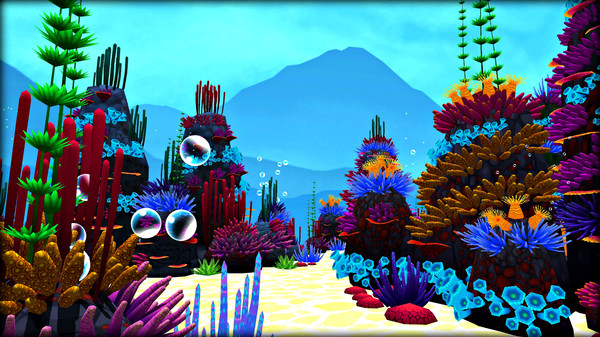
Mervils also features a good amount of puzzles that you have to complete if you want to find all of the pages. Some of these puzzles took some serious time and trial and error for me to complete. For the most it's easy to understand the objective of the puzzles, but just because you understand what you have to do doesn't make it easy. I have to give the developers credit for creating tough puzzles, because it seems that lately puzzles are typically not that hard.

Overall I really had a good time with Mervils: A VR Adventure. Sure, the camera and voice acting could be better, but ultimately this is a solid action-adventure, platforming, RPG that is definitely worth playing through. Finally, I want to say that the virtual reality comfort level was great. I spent about 10-12 hours in one day completing the game 100% and I never had any motion sickness.
4 out of 5 stars.
Thank you to VitruviusVR for providing the code.

Robinson: The Journey Review
Crytek has created a gorgeous world that is unlike anything you've seen in virtual reality. Find out if this is a place you want to explore or ignore in this review of Robinson: The Journey.
Crytek is known for making visually stunning games, so I was pretty excited when I found out they making a game for the PlayStation VR. Robinson: The Journey is an exploration puzzle game that takes place on a distant planet that's covered with dinosaurs. You, your floating AI HIGS unit, and your pet Tyrannosaurus, Laika will work together to try to discover what happened to your ship, as well as sending out emergency signals out into the universe.
Graphically, Robinson: The Journey looks as good as a game possibly can on the PS VR, but unfortunately the hardware restricts Robinson: The Journey from really shining. With that being said, Crytek has done a wonderful job creating a rich prehistoric world. One of the things that you can do is collect information on a variety of different creatures using an item that looks sort of like a move wand. In most games, this might be a drag because it feels like a pointless collectible, but in Robinson, it feels like it would be a necessity for actual survival.
The world isn't that large, but the variety in scenery makes up for a lack of areas to explore. When you are inside the area you will get hints from your HIGS unit, but outside of that, you are pretty much on your own. There are no breadcrumbs or mission indicators that hold your hand to your next objective - you are truly living in this world and must figure out what to do next. This can be both frustrating and rewarding. The sooner that you're on your own the more you will start to enjoy Robinson: The Journey.
The puzzles in the game are pretty straight forward. You'll either use the HIGS unit to distribute power to different items, use Laika to scare dinosaurs into moving where you want them to go or dropping items, or use the item that looks like a move want to pick up objects and move them. You might also be able to say that there are puzzles that have to do with the actual act of exploring. When you are climbing trees or scaling mountains you'll find that there are multiple paths. Some of these will lead you to your goal and others will lead you to a dead end. This is a nice touch because it makes Robinson a lot less linear.
The entire experience can take anywhere between 3-5 hours depending on how much exploring you do. If you take your time and collect all the data on the animals it will take you over 5 hours. Anywhere between 3 and 5 hours is the perfect amount of time for any VR game, but what makes Robinson: The Journey tough to recommend at the current digital price of $59.99, but GameStop and Amazon both sell the physical version for $39.99 and I think that is the perfect price.
Overall score 3.75 out of 5.
Thanks to Crytek for providing the code.

The Brookhaven Experiment Review
The Brookhaven Experiment provides a heart-pounding VR experience, but do you want to put your heart through that? Find out in this review!
If there is one genre that shines brighter than any other in virtual reality, it’s horror. Saying that you won’t jump or panic pretty much guarantees that you’re setting yourself up to be scared. The Brookhaven Experiment isn’t just a battle against virtual monsters, it’s a battle against fear itself.

You start off every level directly in the middle of multiple corridors, walkways, and huge openings that give zombies, horrific mutations and huge insects a direct path to you. As the waves of enemies come, you have to think about more than just taking them out, you seriously have to assign priorities of which enemies you need to kill first. Oh yeah, and there’s no tutorial, so make sure you press all the buttons early to figure out what they do. Here’s a quick tip, the circle button on the left controller is a quick turn around. Without knowing this, I was using the Start button to completely readjust my screen, which is not an effective way to play the game.
When you enter the level, you get to choose from a handful of weapons, attachments, and throwables. Early in the game, you fairly limited to what you can select but as you progress you have to start going into levels with certain game plans. It’s safe to assume once you reach the fourth level you’re probably going to a few times and you have to start really thinking about what worked and what didn’t work. This is where I feel a major issue starts to creep up its ugly head.
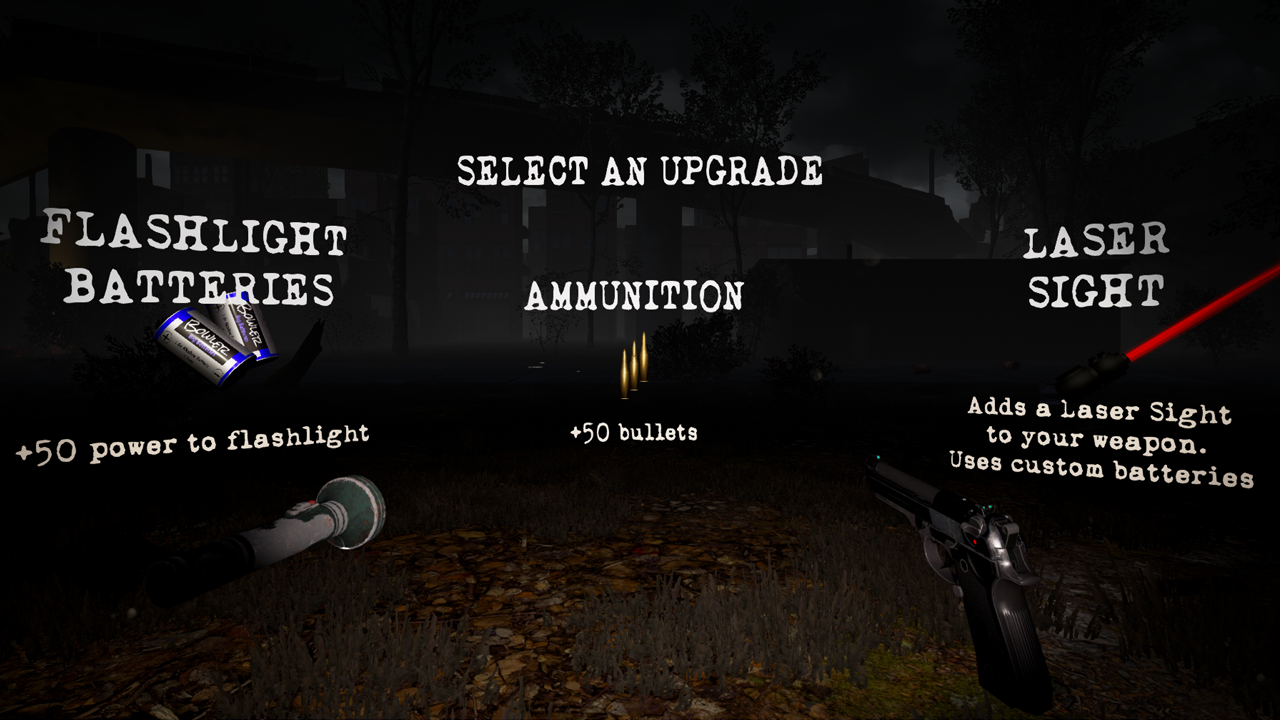
To get more ammo and throwables such as proximity mines, chemical grenades, and flares you have to complete levels that you’ve already finished. About halfway through the game, there’s a level titled Storm Drain, which has one of the highest difficulty spikes I’ve ever experienced in any game. Up until this point I felt that I was being challenged, but there was never a time where I questioned the actual impossibility of the game.
Now I understand that every gamer is different, but having played well over 500 games on my PlayStation consoles, being a person who likes difficult games I feel comfortable addressing the difficulty curve that The Brookhaven Experiment takes.

One of the first issues lies 100% in the PlayStation Move tech and I won’t fault the game for that too much, but there is a time when you have to aim directly above your head at spider enemies that are crawling down the walls. These spiders shoot webbing at you that can either disable your gun or blind you temporarily which renders you ineffective against the enemies who are quickly bearing down on you. Because the Move Wands can’t be recognized above your head (and I am not that tall) you have to hold them against your chest and angle them outwards. This isn’t a natural feeling, but once you get the hang of it’s not too bad.
The other issue is the lack of ammo and throwables that you have. Whenever you complete a wave you get to decide between health and an ammo supply that comes with a random throwable. These throwables are proximity mines, chemical grenades, hand grenades, stun grenades, and flares. When you go into a level and die whatever ammo that is used doesn’t get restored and whatever throwable you bring in completely disappears whether you used them or not. Now the simple answer is don’t die and don’t get hit, but as I mentioned before the difficulty spike is tremendous. The end result of dying and reattempting the same level is that you have to go back and grind for supplies. At one point I went into a level with 900 machine gun rounds that I was saving for the final two rounds. I made it through the first wave only using around 300 rounds leaving 600 for the final wave. I quickly ran through those 600 rounds and just had to stand there waiting patiently to die. They game will tell you that you can use the butt of your gun, your knife and you totally can when you’re reloading or if there is a single enemy, but you’re definitely not going to be able to make it through waves of enemies unless you’re a samurai.

I will say that I did eventually finish the Storm Drain, but it took probably 15-20 attempts where I would die late into the 3rd or final wave and it required hours of grinding ammo and grenades just to have enough supplies to finish it.
Overall The Brookhaven Experiment is a terrifying experience that requires users to keep a level head to succeed. The intense difficulty spike will probably end up frustrating a lot of gamers.
3.25 out of 5 Stars

Wayward Sky Review
Duty calls as you must climb a monstrous flying fortress to rescue your father, but is this a mission you even want to bother with? Find out in this review Wayward Sky!
When reviewing PlayStation VR titles it's easy to get overly impressed with games that would be average because the level of immersion is unlike anything gamers have experienced before. Your body actually responds physically and at times you get fooled into believing that you can interact with virtual objects. I've had the pleasure to play and review a handful of PlayStation VR games and can say that Wayward Sky is one of my favorite virtual reality games.

The story follows Bess, a young girl who must save her father from a slightly mentally disturbed kid named Thaddeus who shot down their airplane. Thaddeus lives on a monstrous flying base that is maintained and populated by robots. Over the course of the game, you solve puzzles and meet friendly robots while ascending this floating fortress.

The first and most noticeable aspect of the game is the gorgeous art style. For the majority of Wayward Sky, the camera is a fixed isometric perspective, which makes the presentation sort of look like a board game. There are a few times where the camera does switch into a first-person mode and you have to solve puzzles by controlling two separate hands. The game looks just as great while in first-person, so it was nice to see that the graphics didn't lose any quality, which can be an issue in VR games. I did find that I had some issues while trying to complete the puzzles in first-person. There were times where my hands wouldn't respond the way that I expected and it took extra maneuvering to complete objectives.

The world itself is pretty fun to explore and there are a lot of hidden collectibles. I am usually not a person who enjoys hunting for collectibles because it just seems like a cheap way to add more time to a game, but I really didn't mind it in Wayward Sky. The reason is because there are only two different types of collectibles to find: windchimes and robot pieces. Once you collect all the pieces of a specific robot you can then use that robot in a mini-game that is sort of like a beat 'em up /
horizontal shooter. It's a fun little game and it also gives the collectibles an actual point.

Wayward Sky will take around 2-2 1/2 hours to finish which isn't a bad length, but this is one game that I wouldn't mind another hour. The major issue of Wayward Sky is that the puzzles are incredibly easy. Just by using trial and error you'll be able to make it through any of the Wayward Sky's challenges. Without having to think about the solutions, the objectives just become something that slows you down rather than something that adds anything to the experience.

Overall Wayward Sky is a quick, solid game that has a wonderful presentation. You can easily sit down with your PSVR, discover a nice story, and see a beautifully designed world all before you have to go to bed for the night.
3.75 out of 5 Stars
Thank you very much to Uber Entertainment for providing the code.

The Assembly Review
Can a VR experience of a scientist who has gone rogue and a woman accused of killing her own mother keep you engaged enough to find out what's going to happen next? Find out in this review of The Assembly!
Whether or not you are a believer in the staying power of virtual reality, it is here now and we must embrace it. The early games that we're going to experience may not always be the most mind blowing experiences, but what we are seeing is paving the way to the future. The Assembly by nDreams is a game that introduces a deep narrative that follows two characters through the end of one journey and the beginning of another.
When we are first introduced to the characters we find out that they are both scientists. Caleb Pearson and Madeline Stone are both at a critical time in their lives when they must make a serious decision that will not only affect them, but possibly change the world. Caleb is working on trying to escape The Assembly, while Madeline is attempting to become their newest scientist.
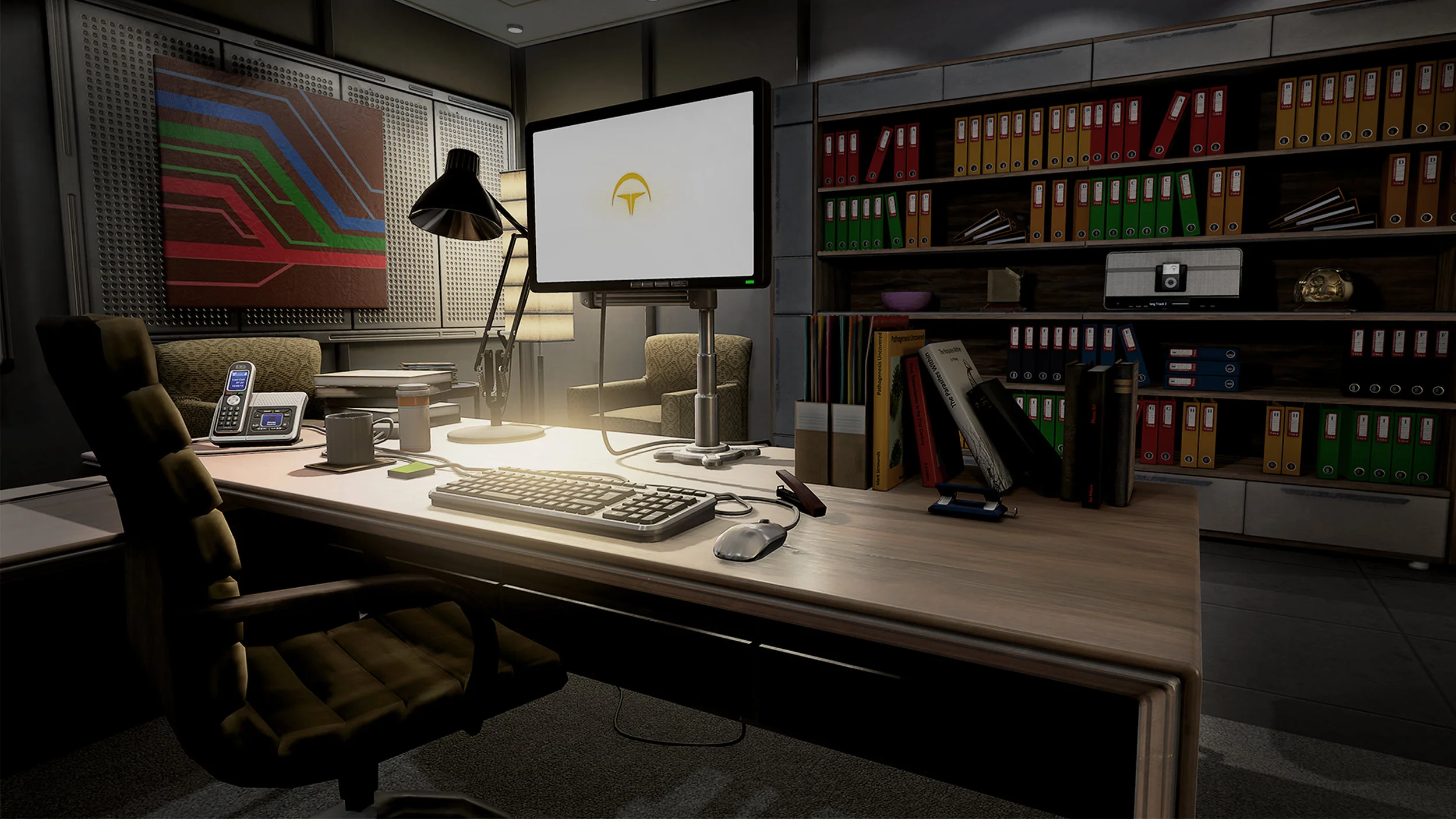
Both Caleb and Madeline have very different styles of gameplay. As Caleb, you are attempting to smuggle out classified material. This takes a lot of thinking and discovering all while making sure that no one finds out. Luckily, there are no real stealth elements to the game and it's pretty much narrative driven. This keeps the player going forward in a story that you really want to find out more about. Madeline's story is a little darker and is more like a puzzle game. You must pass trials and make moral decisions that will greatly impact your character's future.
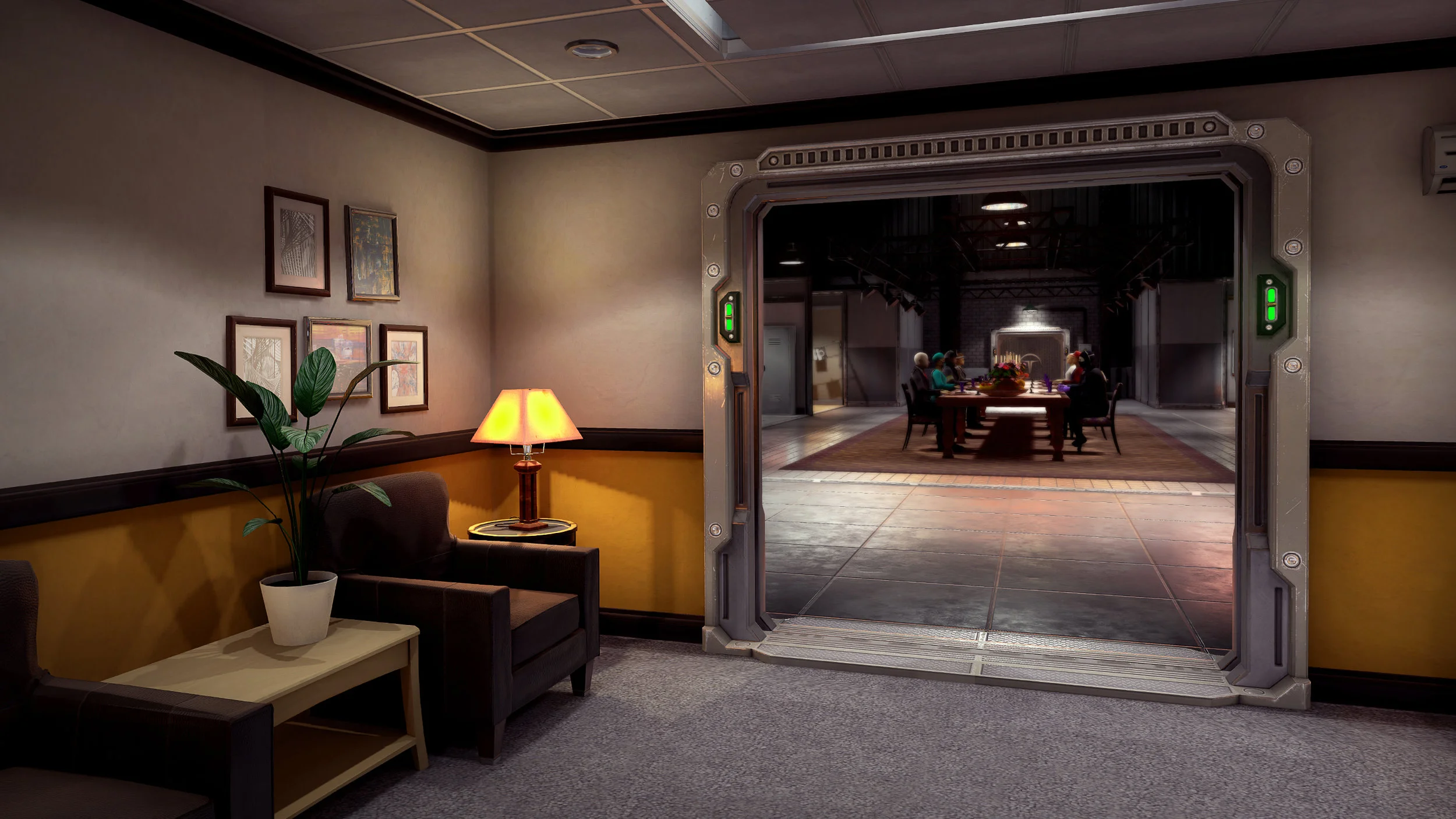
The Assembly uses the Dualshock 4 and doesn't have an option for the PlayStation Move. I was a little disappointed at first because you really want to try out all of the cool new options of the PlayStation VR, but after awhile I didn't think that the Move would add anything beneficial to the experience. One awesome feature of The Assembly is that you can change your movement style. You can walk fast, slow or snap to locations. I originally put the game on walking fast (which is actually called normal) and found myself getting motion sickness. After playing with the control options for awhile, I found the perfect fit for me. I can't really knock the game for motion sickness because not everyone is going be as sensitive as me, however, I do recommend that you play with the options to find the optimal settings to prevent this from happening to you.

As far as exploring goes, The Assembly has a fairly large world. You make your way through plenty of different areas in this massive laboratory that is partially underground. This prevents the player from getting bored of the same old locations and even though the labs may look the somewhat the same, there are plenty of layouts and different rooms to go into. The variety in the lab and the bouncing back and forth between characters really helps drive the player forward.
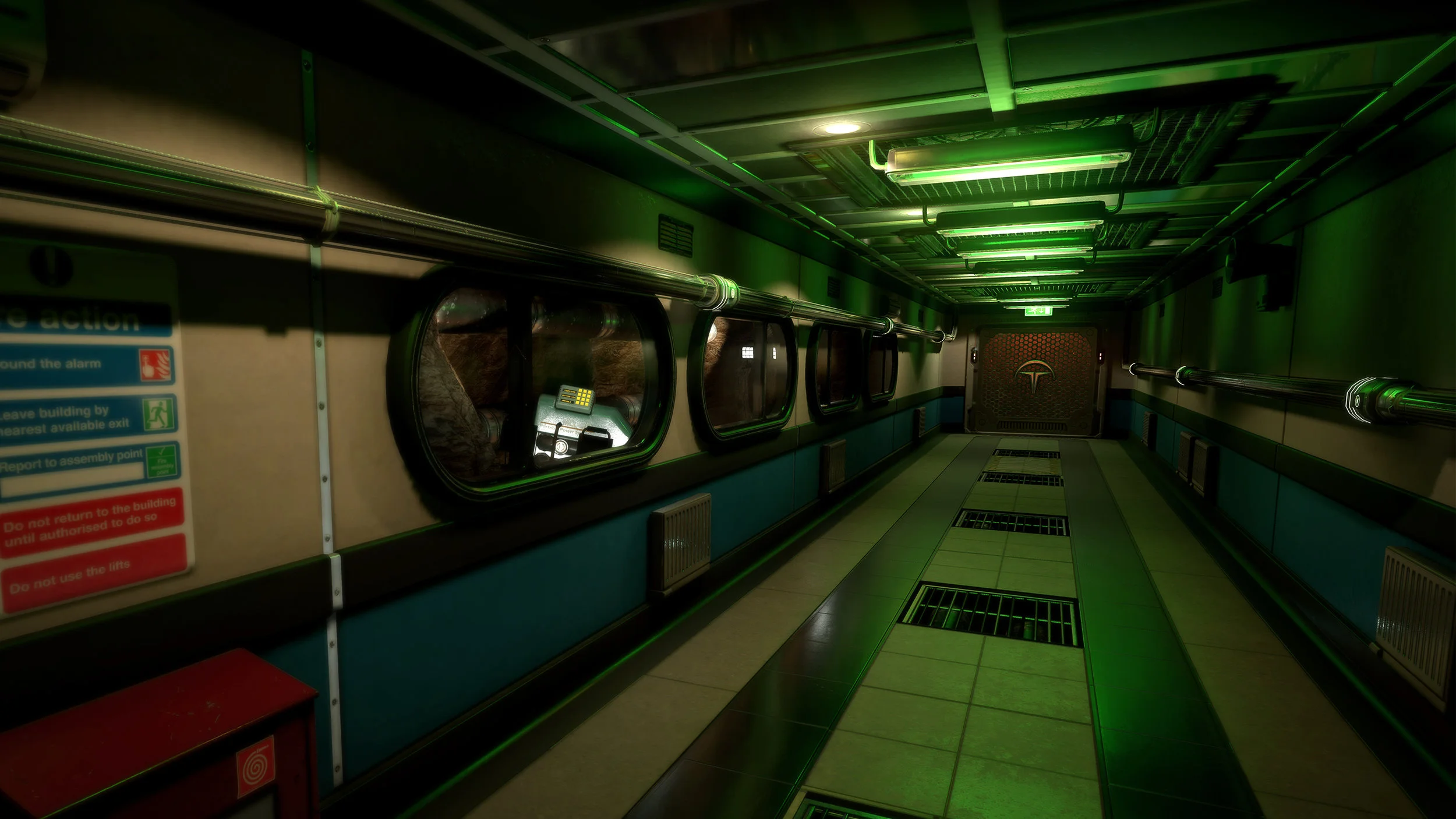
There are a few minor annoyances with The Assembly that could have definitely been improved upon. I've played a few VR games and I have the PlayStation Gold Wireless Headphones which feature the ability to hear 3D audio. The audio in The Assembly doesn't utilize the spatial sound which would create a much more immersive experience. Another issue I had is that there isn't a lot to interact with in the world other than what's related to the story or things like drawers and cabinets that you can open that may or may not have something important in them. There are a decent amount of voicemails that you can listen to on phones, and computers you can log into to read people's emails, but it would benefit the world if the player was able to just pick up an object and toss it. This doesn't necessarily affect the gameplay, but it does help the immersive experience.
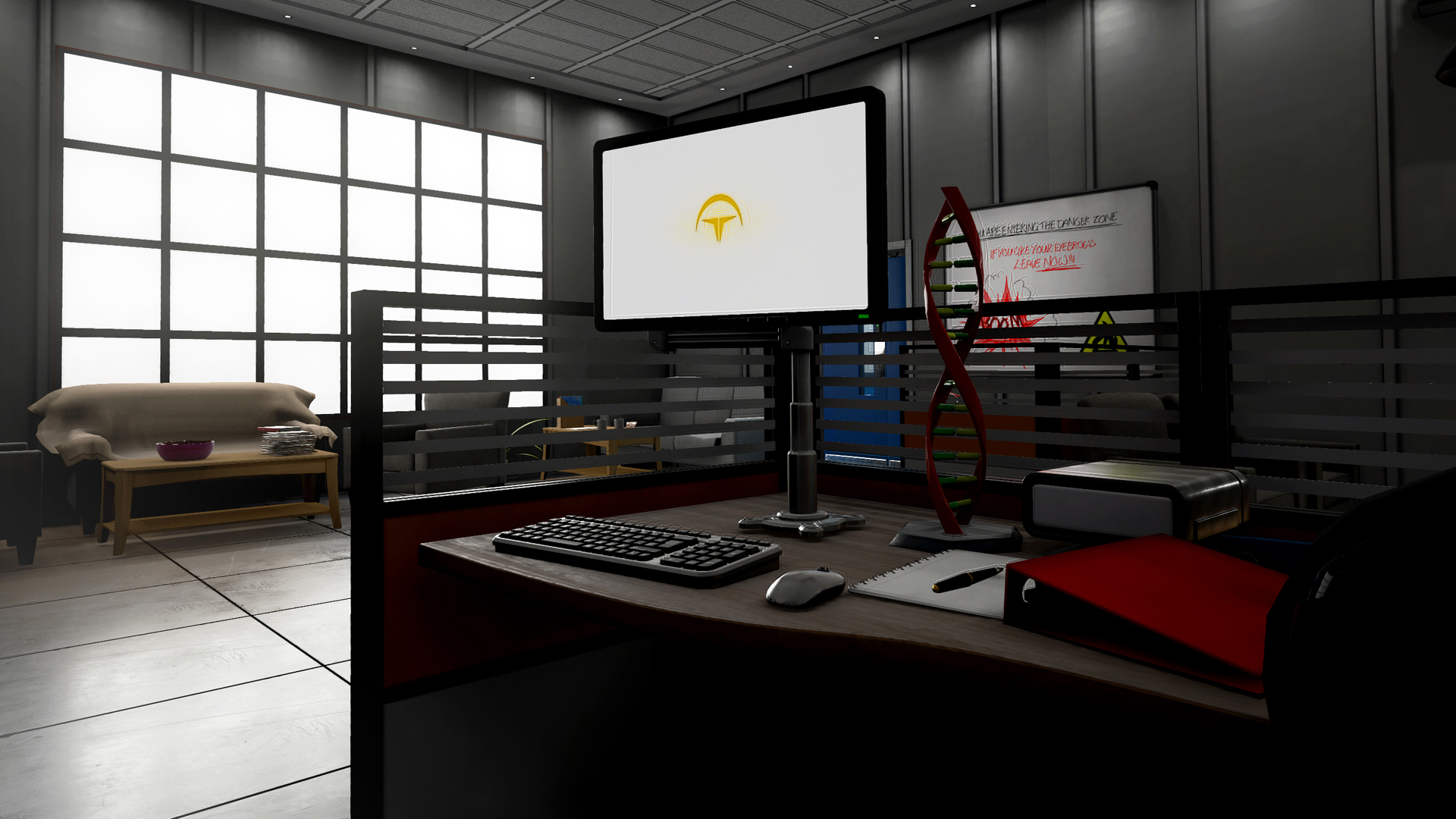
I finished the 12 chapters of The Assembly in just over 4 hours. I, unfortunately, had to stop twice because of motion sickness, but if that didn't happen I could have easily finished the game in a single sitting and been fine with it. Right now with the limited number of VR games out for the PlayStation, I would say that the $29.99 price tag is completely fair and that it is an enjoyable experience. If you like narrative driven games then I could comfortably say that The Assembly is one of the better choices for PS VR right now.
4 out of 5 stars
Thank you to nDreams for providing the code.

Headlander Review
Is Double Fine's first Metroidvania style game worth your time? Find out in this review of Headlander!
When I first played Headlander at the 2015 PlayStation Experience I got the impression that it was a puzzle game, but within the first 30 minutes, I realized that I was wrong. Headlander has rich environments, a lot of useful upgrades, and a good amount of reasons to want to explore.
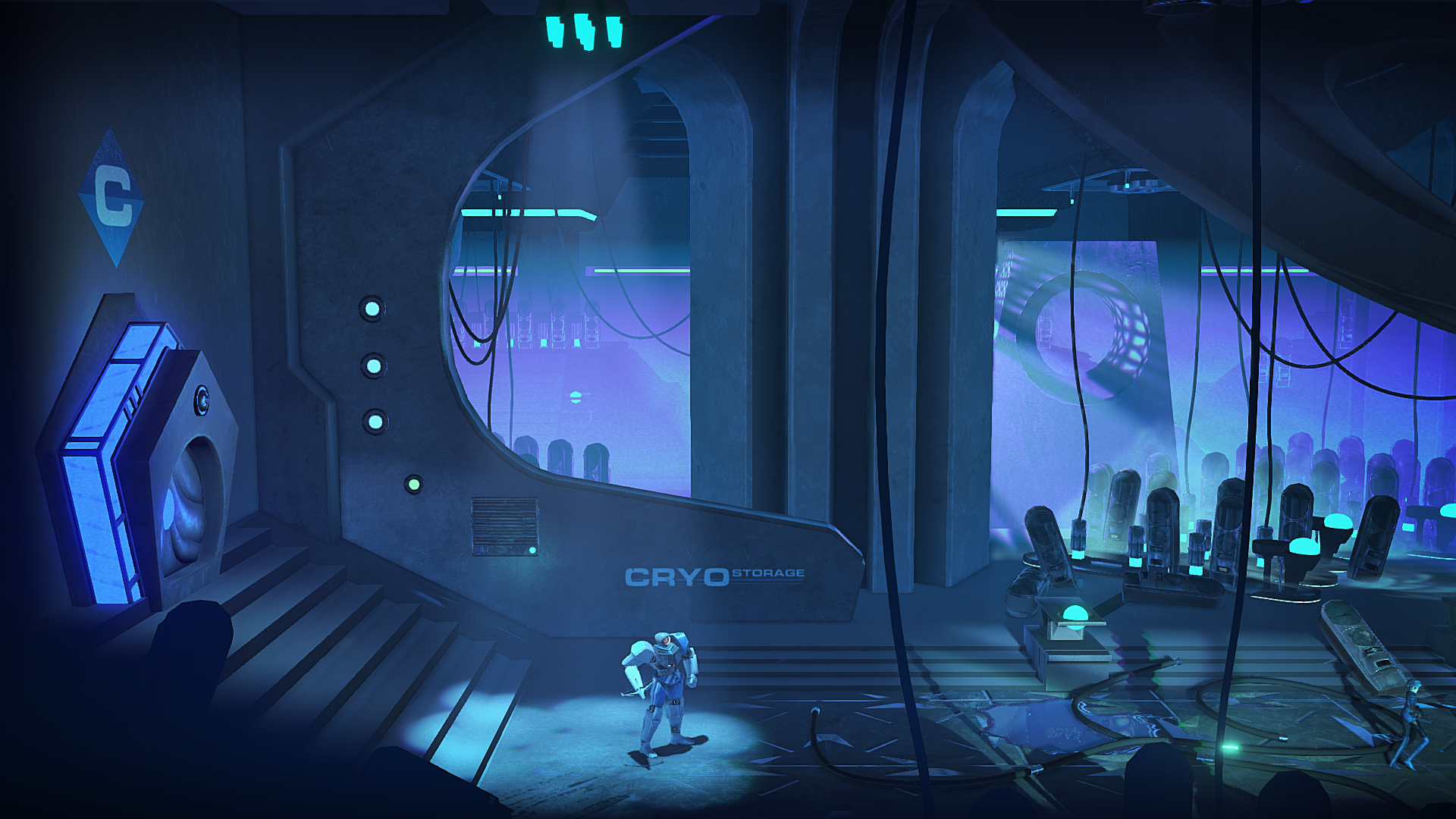
The first thing you’ll notice is the 1970s sci-fi aesthetic – and of course, the fact that you are just a floating head. Your primary ability is being able to tear the heads off bodies and then taking over the body. As the game progresses, you’ll encounter different colored enemies. These different colored bodies grant you access to different areas of the map. For the most part, the correct enemies that you need to progress are pretty close or will spawn within a few seconds allowing you to continue on your adventure without much effort. In fact, I found that even though Headlander touts itself as a Metroidvania style game, most of the time I was going forward and completing objectives without really having to backtrack. This sort of contradicts what I typically think of Metroidvania games, which is slightly unfortunate because I wouldn’t mind spending a little more time in the world of Headlander.
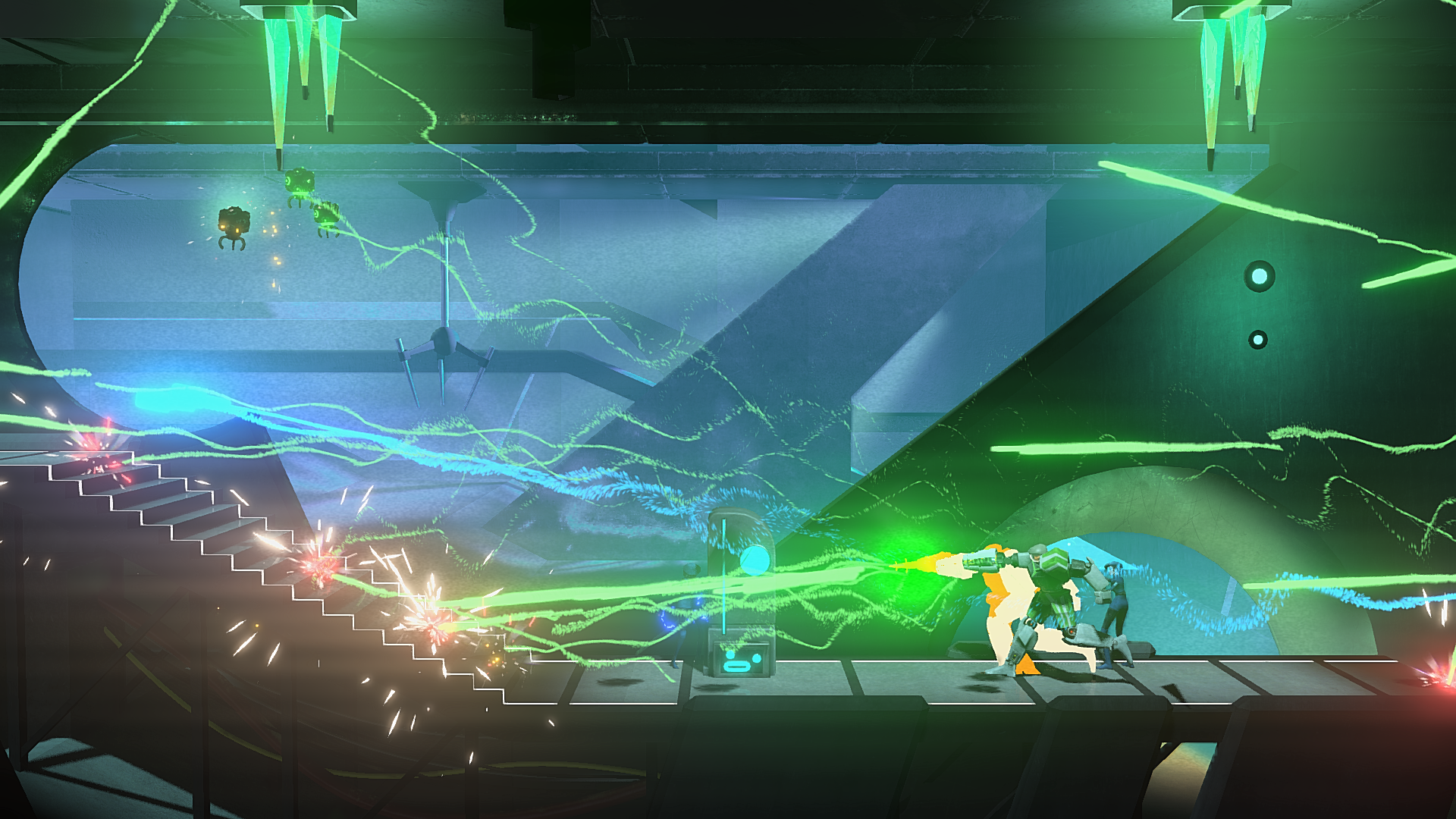
You can upgrade both your body and your head abilities by finding orbs, secret rooms, and completing side missions. By upgrading, you can increase your ability to suck enemy heads off, speed up your regeneration, increase your thrust and health and plenty more. Even if you just tried to blast through Headlander you would still find a decent amount of upgrades, which is great because some of the abilities that you earn are absolutely essential to making sure that you succeed on your adventure.
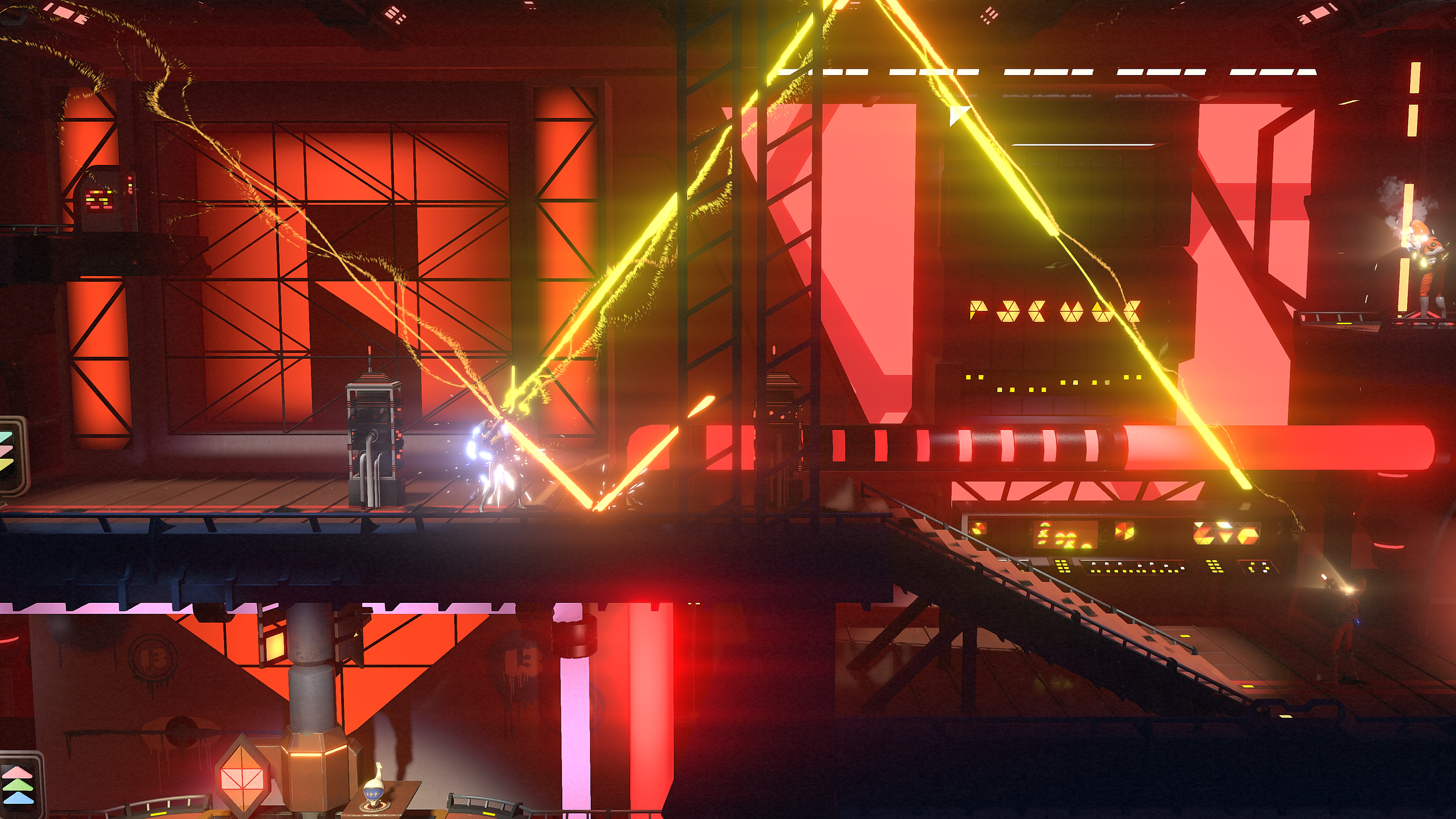
The combat in Headlander gets progressively more intense. The early bodies that you get have a pretty simple shooting mechanic that will slightly bounce off of the walls, but as you continue your laser shots will start to bounce a lot more. The bad news is that the enemies also get these upgrades. So what starts off as a cool little mechanic eventually makes you feel like you are playing a hell-shooter. Luckily, dying doesn’t punish you too much.
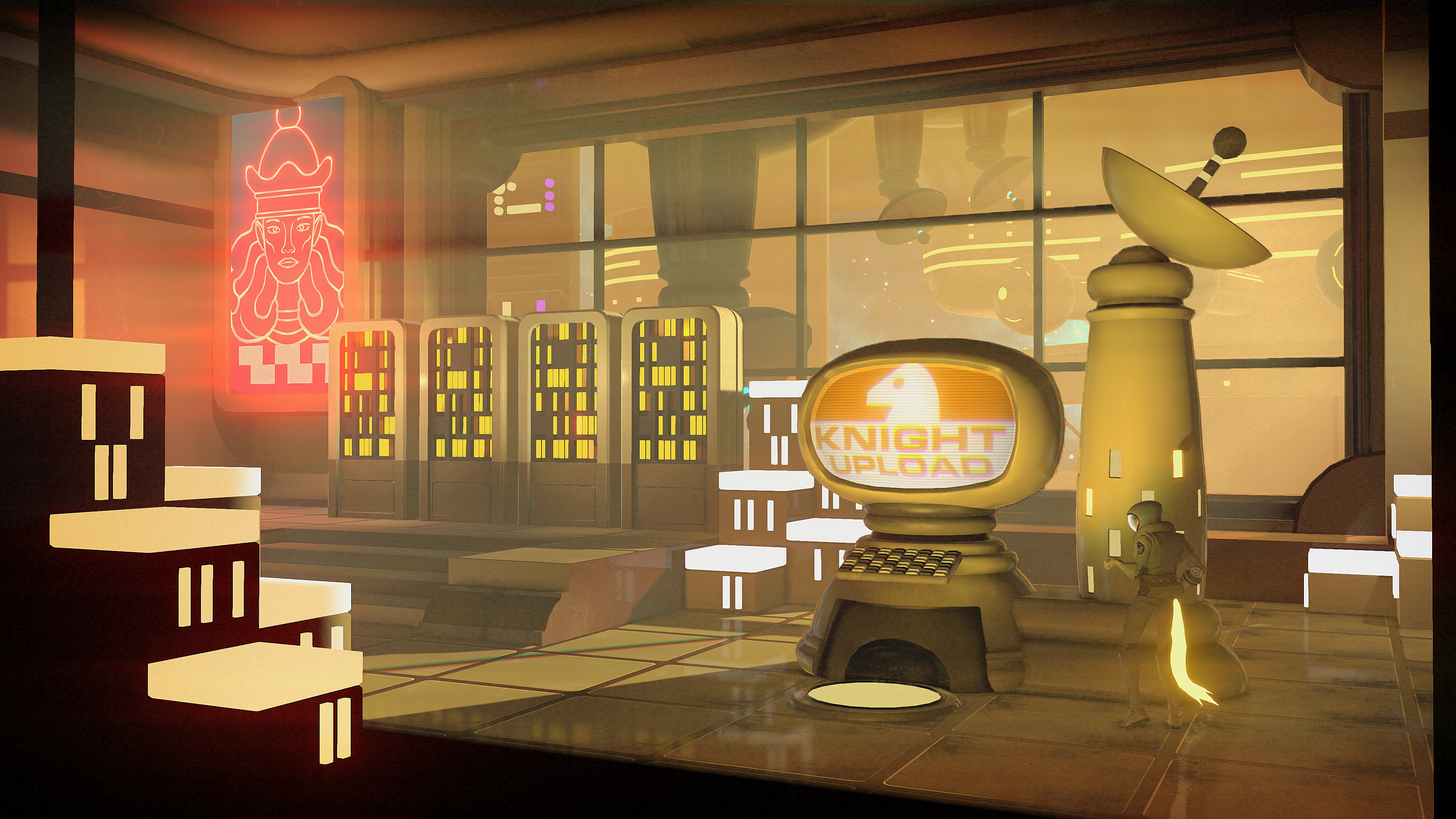
Headlander features a couple awesome bosses, but unfortunately, there were only two. They both require you to use both the head and body mechanics to destroy them, which I really enjoyed. The game could have easily just made you use your shooting abilities and completely ignored the power of your head. Although Headlander is not a very long game there should have definitely been at least one more boss – especially since the ones that are in the game are a lot of fun.
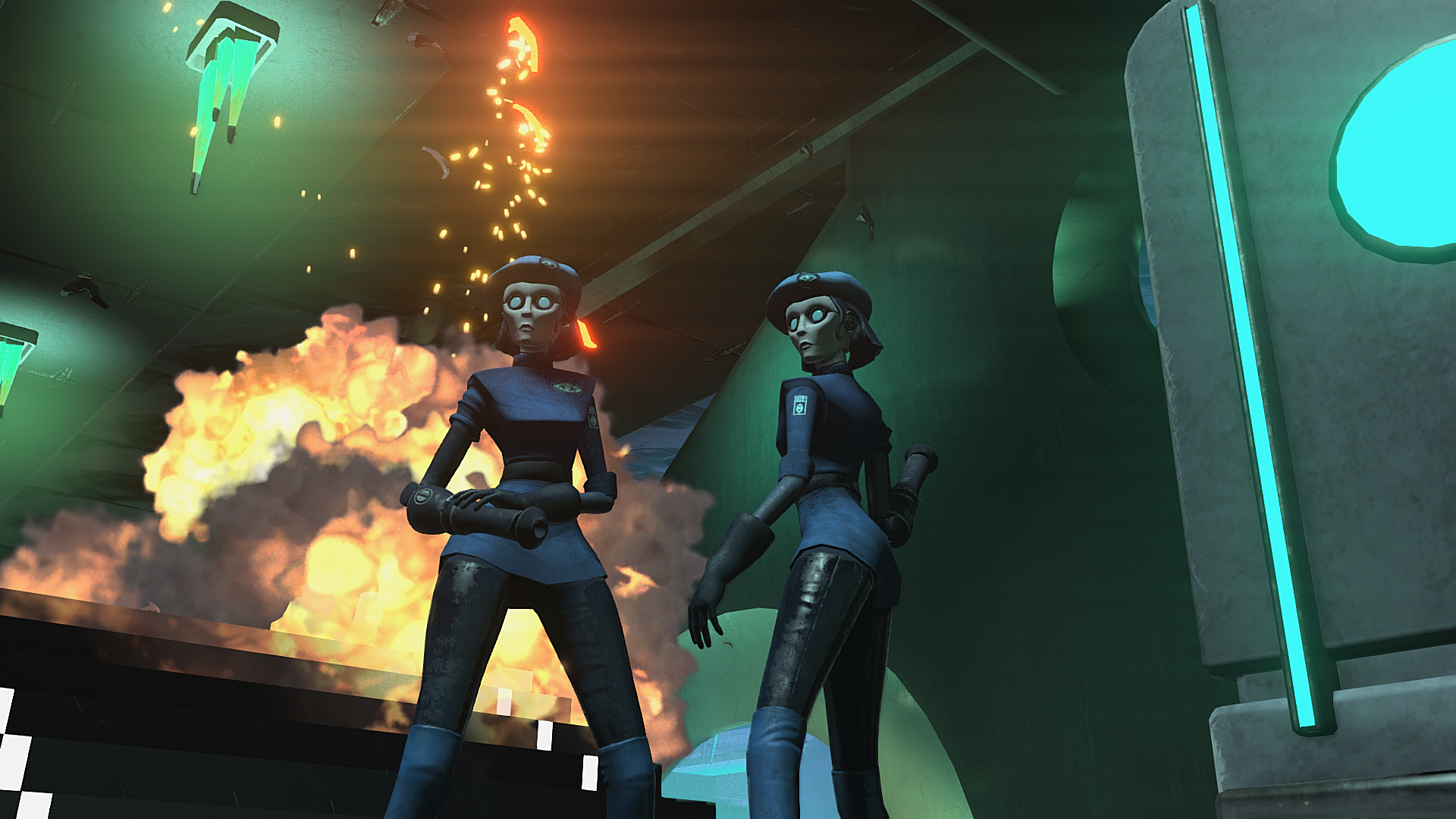
Now being a Double Fine game, Headlander features a quirky story and a ton of humor as you might expect. This specific game was created from Double Fine’s Art Director, Lee Petty, who was the project lead of the hilarious and brilliant, Stacking. I bring this up because if you played Stacking and enjoyed it, then Headlander is definitely a must play and if you haven’t played Stacking, I couldn’t recommend it enough.
The overall experience took me a little over five hours to complete. Because I was constantly making progress, I felt that I didn’t get to enjoy the world as much as I’d like. Also, Headlander could definitely benefit from adding one or two more boss fights.
4 out 5 stars
Thank you very much to Double Fine for providing the code.

Mark McMorris Infinite Air Preview
Have you been waiting for a realistic snowboarding experience? Check out this preview of Mark McMorris Infinite Air from Maximum Games!
Do you spend your days dreaming about cruising down a mountain on a brand new snowboard? Mark McMorris Infinite Air aims to deliver the most authentic snowboarding game to date and it absolutely succeeds.

The first thing you’ll notice when you get dropped into the massive mountain range is that you can go anywhere – and I mean anywhere. By simply summoning a helicopter you are able to search for the perfect place to start your next run. What happens if you can’t find a place to shred that sweet, sweet powder? You can use the incredibly in-depth world editor to remove objects, increase or decrease the elevation, and smooth out the ground. You can then set up rails, ramps, jibs, pipes, buildings, and more. Once your epic run is complete, you can publish it to share it with other members of the Infinite Air community.

Most snowboarding games are all about impossible tricks and getting millions of points. Sure that’s fun, but Infinite Air reinvents the snowboarding genre by delivering realistic physics. The entire game uses the thumbsticks and triggers to perform tricks, but that doesn’t mean that you’re going master Infinite Air in just a few minutes. Once you finally get a solid grasp on the controls, every trick feels like an accomplishment. These mechanics may seem familiar and I think it’s easy to say that Infinite Air is the Skate of snowboarding games.

One of the most impressive aspects of Infinite Air is the amount of tricks. Even though you only use the triggers and thumbsticks, there is a ton of variety. I found myself getting comfortable with a few tricks before moving on to something more difficult. After a while I had a nice collection of tricks memorized that I would use on runs. When it comes to Infinite Air, practice definitely makes perfect.

Infinite Air is the snowboarding game we’ve been waiting for. The possibilities for runs are literally endless. You can spend all day designing mountains, checking out player generated runs, or relaxing in a newly discovered slice of the snowy paradise. There’s no doubt that Infinite Air is the real deal.
Infinite Air will be out on October 25th for PC, Xbox One and PlayStation 4.
Thank you to Maximum Games for providing the code.

Fenix Furia Review
The critically acclaimed Fenix Rage comes to consoles under the new name! Find out if Fenix Furia is worth your time in this review!
Jump, dash, die, repeat. That's pretty much what you're going to be doing over the 4-6 hours of Fenix Furia and you wouldn't want it any other way.
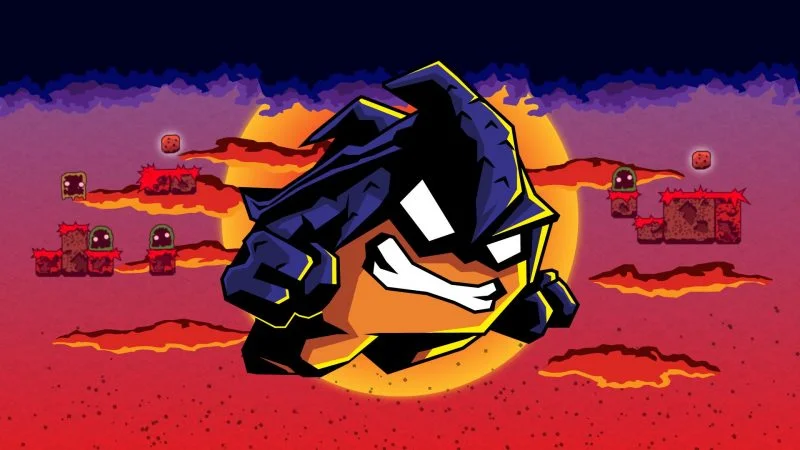
Fenix Furia is one of the most frustrating and addicting games I've ever played. As with most games, the beginning is fairly easy, but this doesn't last long. There are 10 worlds in Fenix Furia, each with 20 levels, as well as an Arcade where you can unlock extra games. Your objective is to use your unlimited jump and dash abilities to weave in and out of enemies who are moving up and down and all around. I would say once I reached the later levels I would die around 10-15 times guaranteed with a high of being 48 deaths on one level.

There are five modes when you select a level: Easy, Rage, Two, Challenge, and God. Easy mode gives you an extra hit and there is no time goal. Rage mode has one-hit kills as well as a time goal to beat. Two, which is the multiplayer, puts two people in a race to finish the level. Challenge restricts the amount of jumps and dashes you can use. God mode makes you invincible and you have to kill all the enemies on the map before time runs out. When you successfully complete these different modes, you are rewarded with stars. You can use these stars to unlock mini-games that are actually fun.

Along your journey you will also find cookies - that's right, cookies. Collecting all of these cookies will unlock 10 Fenxi Furia themed recipes. Just let that sink in for a moment. Besides earning trophies you can get a delicious recipe. How cool is that?

The only real issue I had with Fenix Furia is that the levels in each world don't progressively get harder. You may come across a level that feels like it's impossible and the next level you breeze right through. I don't feel like this is something to knock points off the games total score for, but at times the difficulty does feel inconsistent.

Fenix Furia is an absolute blast. My stats show that I died over 2500 times and I have no issue with that. The game is challenging and rewarding and that's exactly what you want from a game. I'm holding out hope that one day Fenix Furia makes it way on to the PlayStation Vita because I think it would be the perfect console for it. Do yourself a favor and buy this game!
5 out of 5 stars
Thank you to Green Lava Studios for providing the code.

Hands On With Loot Rascals
Blast off to space with this hands on of the turn-based rogulike Loot Rascals! Check out Shawn's hands on preview.
The first thing you'll notice about Loot Rascals is the colorful classic cartoon look, but once you get over the pleasing aesthetics, you find a rich, turn-based, roguelike game. Your character moves around a procedurally generated world on hexagonal tiles. Your goal is to find the exit on each level before exceeding the amount of moves on the turn counter. If you do exceed the move limit, stronger enemies will start to appear around the map. If you want to hang out and explore, you can, but this is not advised.

Loot Rascals has a day / night cycle that affects if you or the enemy will hit first in battle. You always want to try to get the first hit, but if you're feeling pretty good about your situation, it's not too big of a deal to let them hit first. The time of day changes every five moves, so you definitely want to be aware of this as you're moving around the map, especially when you're desperate to attack.

One of the biggest parts of Loot Rascals is the card system. You can have a mix of ten offensive and defensive cards equipped with six in your inventory. Certain cards have bonuses that affect other cards, but are required to be in certain slots, positions, or rows. Loot cards drop all of the time so you are always switching them out. Once you find yourself with too many cards, you can decompile them for currency.

There are also cards that you can place on other cards that give you extra long distance attacks or self heals. To use these attacks/ heals you simply select them from a pin wheel and drop a cursor on an enemy or yourself. You get so many cards that I don't think it's absolutely necessary to save your attacks for when you see a tough enemy, but you should definitely keep a few attacks handy for when you're near death.

One of my favorite aspects of Loot Rascals is when you die the enemies will steal your card, which drops it on the server and will show up in someone else’s game. That person can then choose to send it back or keep it. If you find someone else’s card during your game you can choose to keep it or send it back. If you choose to keep the card then the person who lost the card can send an enemy to fight you. When you first start playing the game, the other player’s cards will be from strangers, but once you have a few that you’ve found, you’ll most likely be matched with the same select players. Hopefully if everyone is nice to each other you’ll receive the cards that you lost, but if you lose a good card you better cross your fingers.
Loot Rascals will be coming to PC and the PlayStation 4 Q1 of 2017.

Hands On With Maximum Games Road Rage
Come take a ride on the wild side with this hands on of Maximum Games, Road Rage!
Remember how much fun it was to cruise around the streets and bash people with chains, bats, and billy clubs in Road Rash? Motorcycle combat games have basically disappeared, but Road Rage plans on bringing them back in a big way with a large open world, four player online, and (possibly) four player split screen.

When you first drop into the fictional world of Road Rage you’ll find yourself wanting to explore this massive city. I cruised around the downtown area known as Subtroit bashing pedestrians with my bat before I even thought about starting a mission. The feeling that I had been missing since the days of sitting around playing Road Rash had returned.

Once I returned from my childhood memories and came back to reality it was time to play a mission. Road Rage features checkpoint based races, circuit races, escort missions, races across the city and assassination missions where you have to attack a specific rider. I started up a checkpoint point expecting to bash and crash my way to victory! Except that didn’t happen. The AI is definitely out to get you. This isn’t a game that puts the power into your hands and the AI will just let you crack them in the back with a baseball bat. You always have to be aware of your surroundings.

Road Rage also features tons of performance and non-performance upgrades that you can do to your bikes. Each bike has separate upgrades as well, so leveling up all of your bikes is going to take a fairly long time. I couldn’t get a solid number of characters, but was told that there will be more than 10 and less than 20. Each character has different attributes and you have to unlock them. There isn’t a character customization, but we can always hope for that in Road Rage 2.

I was so desperate for a motorcycle combat game that I even pre-ordered and played through Ride to Hell: Retribution. If you don’t know what Ride to Hell is all about, go watch a few YouTube videos - it’s not pretty. Road Rage seems like the game that will finally deliver the experience we’ve been waiting for and will be released in the fall of 2016.