Planet of Lana II Review
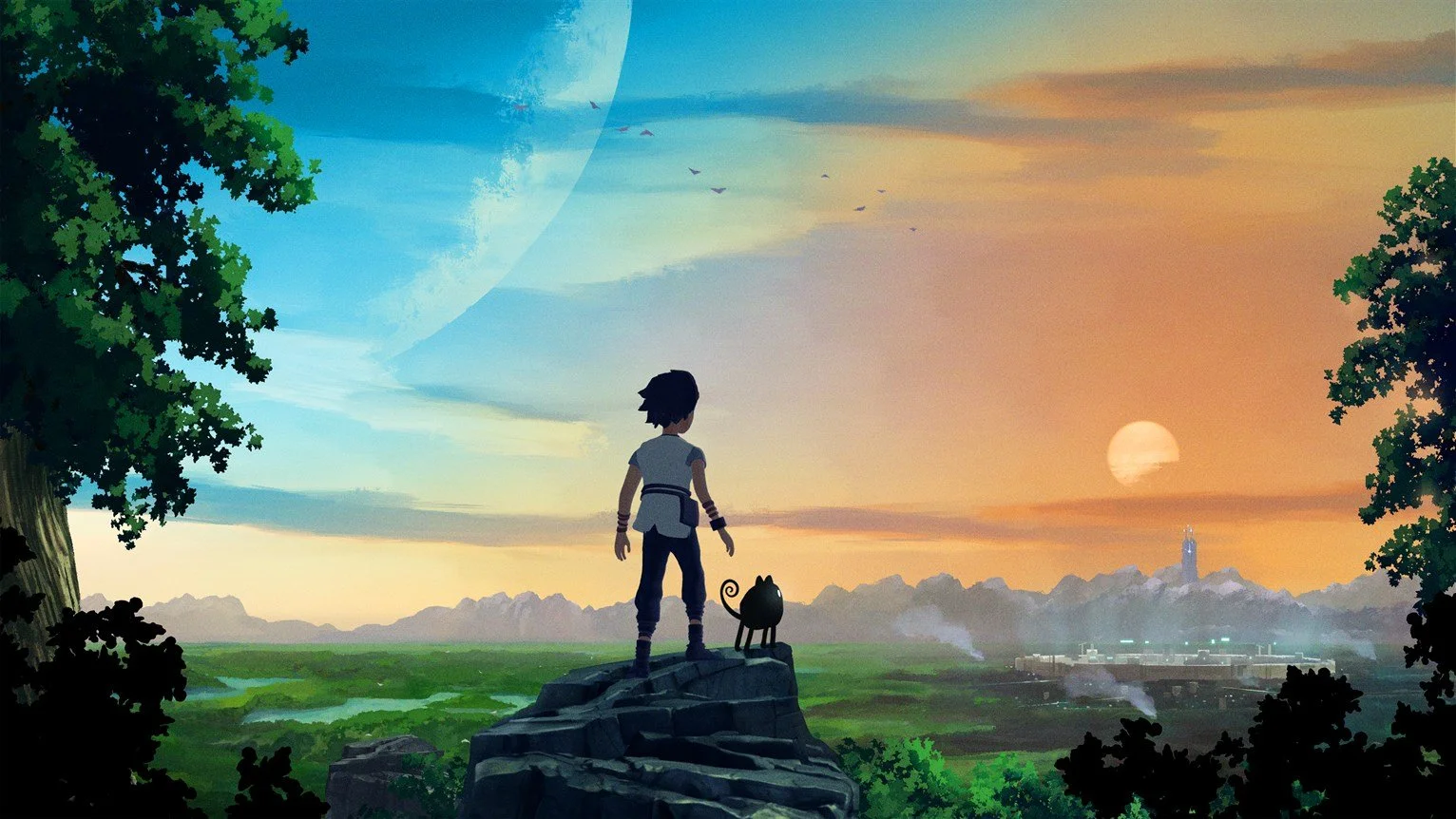
Release Date: March 5, 2026
Developers: Wishfully
Platforms: Nintendo Switch, Nintendo Switch 2, PlayStation 4, PlayStation 5, Xbox PC, Xbox One, and Xbox Series X|S (Reviewed), and Xbox Game Pass
Price: $24.99
A sequel like Planet of Lana II invites a particular kind of reflection, one that loops back to where we began, and not to measure distance, but to understand how a journey has changed us. The first Planet of Lana was an almost ethereal experience: a hand‑painted side‑scrolling odyssey that reminded players that narrative games don’t need epic cutscenes, explosions, photorealism to feel monumental. It belonged to the lineage of Limbo, Inside, and Little Nightmares—games that speak softly but leave echoes long after the game is put down or finished, lingering in the mind as one sits in the silence that follows.
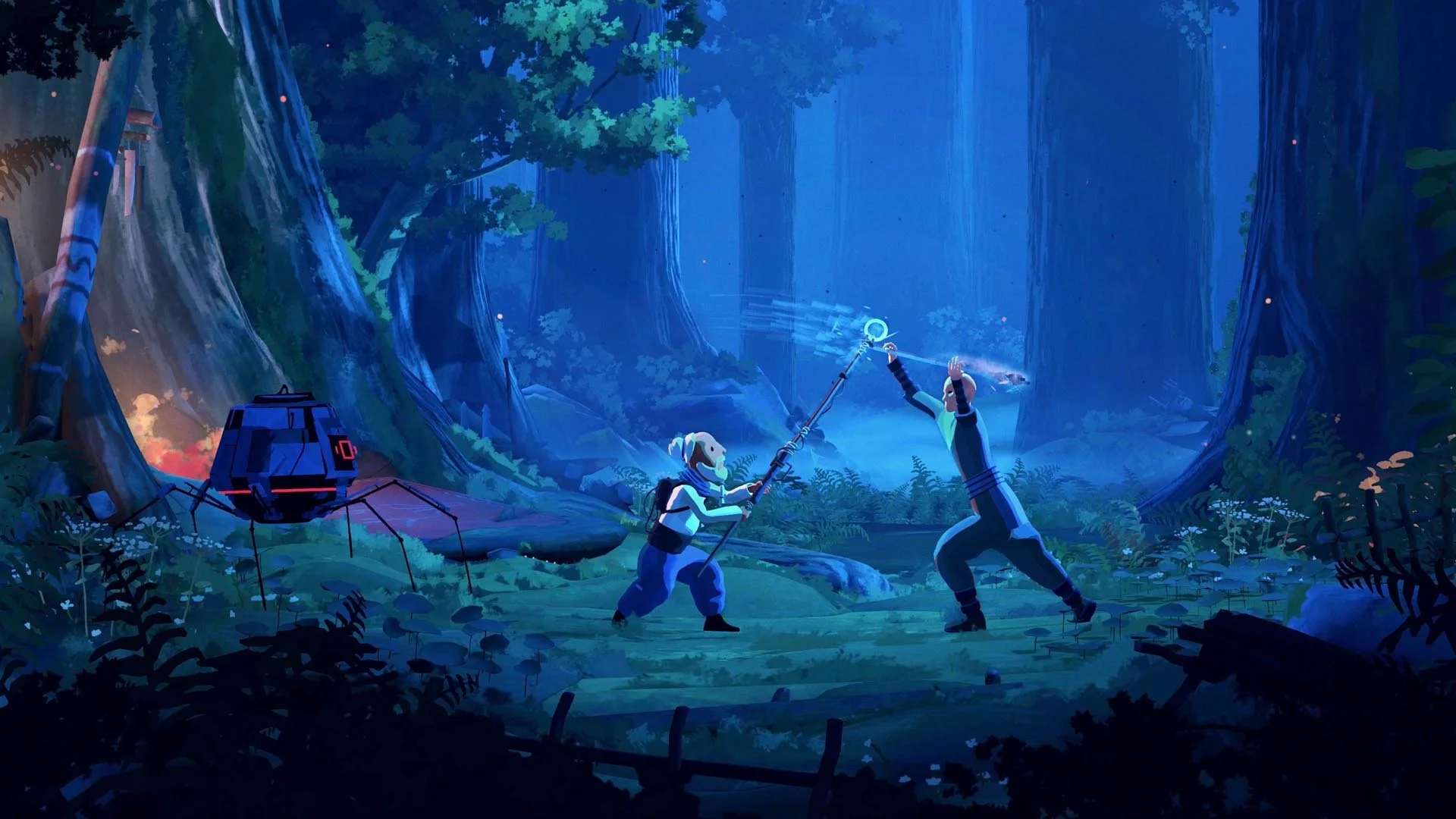
What made the original Planet of Lana resonate for me, and I’m sure others, was its sincerity: a story that unfolded in real time from set piece to set piece the fragile bond between a girl and her companion, and the sequel steps into that legacy with further confidence, not by trying to outdo the original, but by expanding the emotional architecture of its world. It understands that narrative side‑scrollers have evolved into something akin to interactive poetry, where every frame, every sound, every hesitation of the protagonist becomes part of the storytelling, with no frame, asset, or animation an afterthought. Planet of Lana II embraces that evolution and pushes it forward.
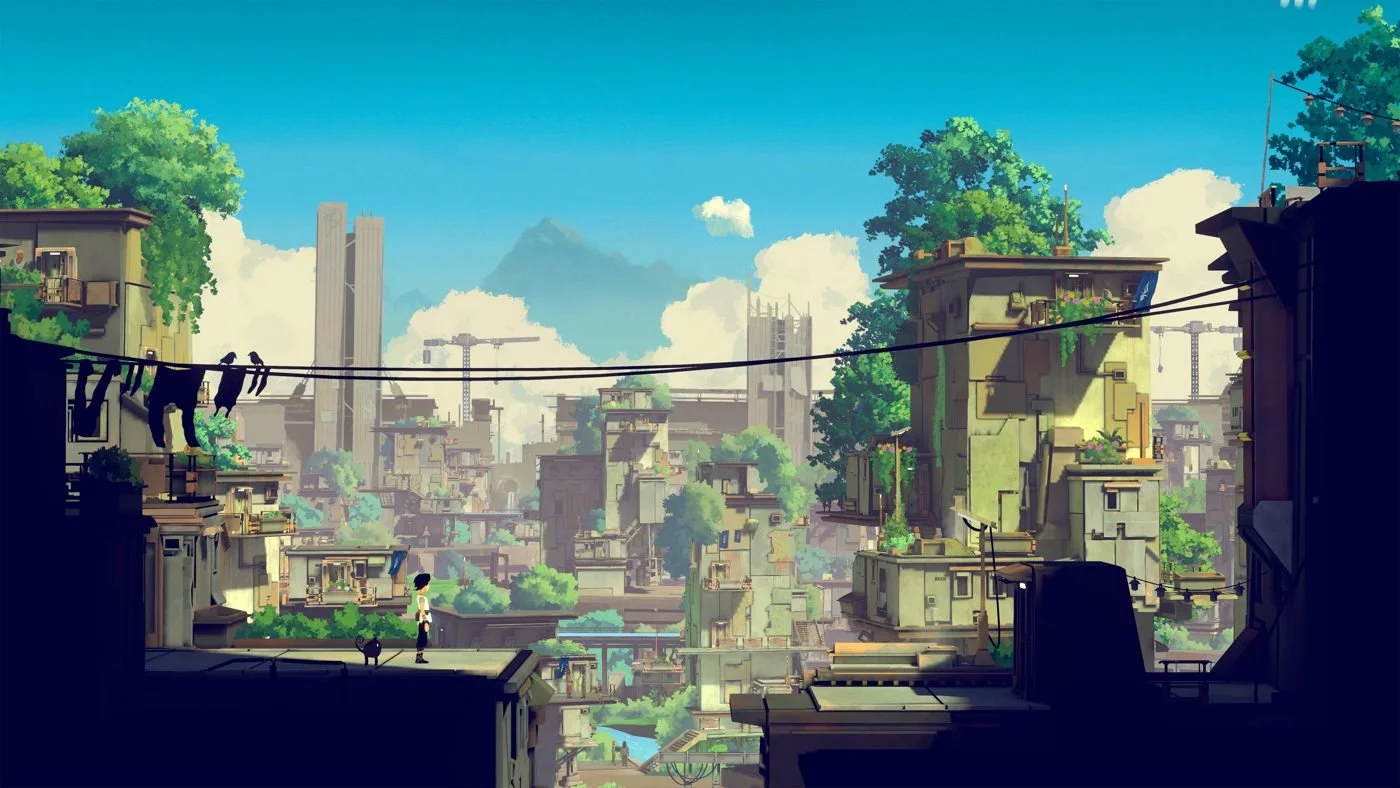
The first game’s emotional core was the discovery of the world, of companionship, and of courage, but Planet of Lana II shifts this outlook and instead aims for growth from within. This time, the story feels less like a child stepping into the unknown and more like someone returning to a place that shaped them, and because of that the tone is more contemplative and more aware of the cost of heroism. The game opens with a sense of déjà vu, but not repetition; it’s a feeling of revisiting a memory that has changed in your absence. This growth to a more focused and reflective narrative results in a story that feels richer, more layered, and more emotionally articulate.
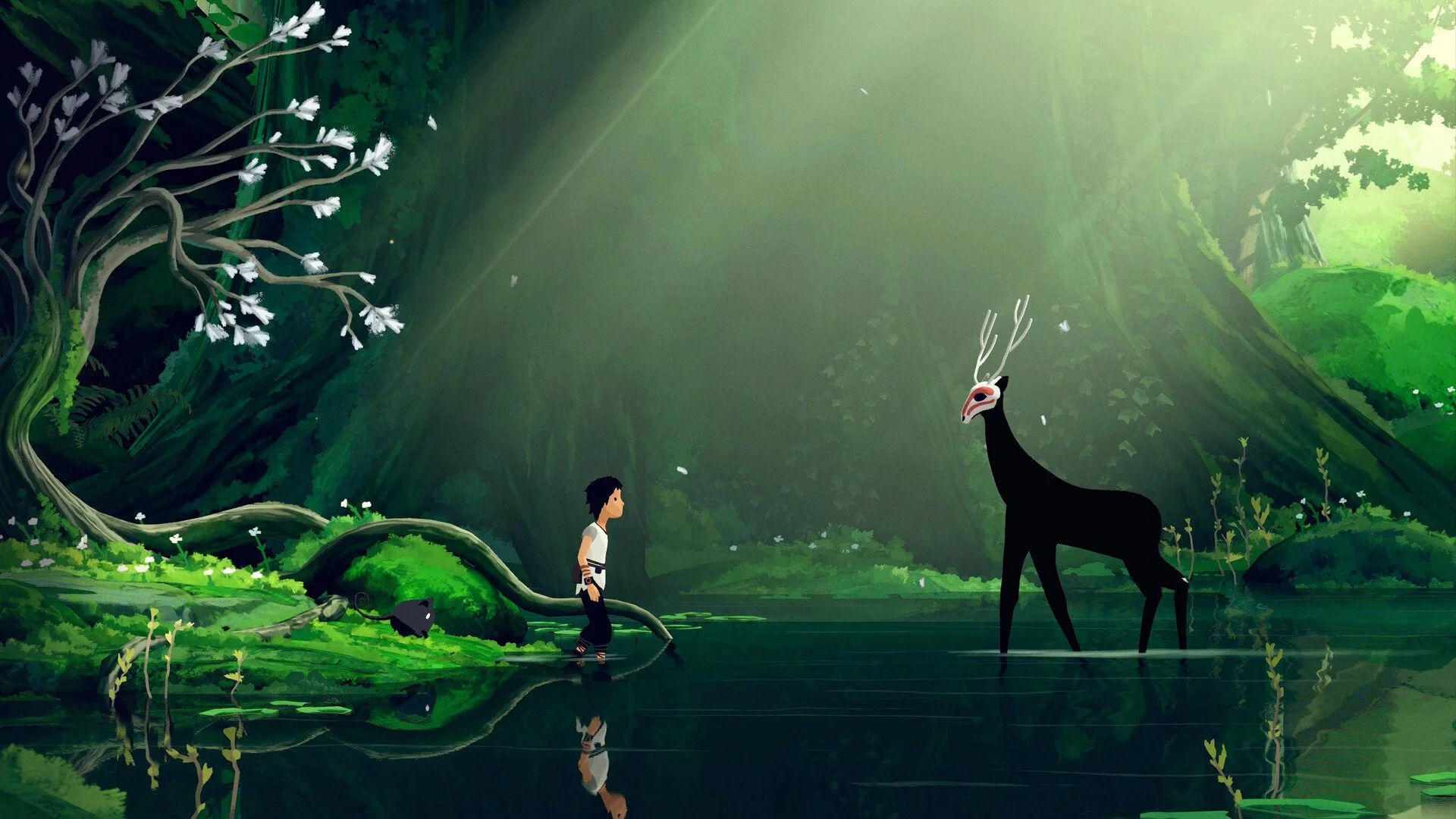
Mechanically, the sequel builds on the first game’s foundation without abandoning its simplicity. The platforming remains accessible, but the puzzles are more intricate, often requiring a deeper understanding of the environment and the relationship between the characters. The game never tries to overwhelm the player with complexity. Instead, it refines the language of its mechanics, using them to express emotion as much as challenge. In Planet of Lana II, a puzzle isn’t just an obstacle - it’s a conversation between the player, the characters, and the world. It’s a feature in games like this that I absolutely adore and will never get tired of, as the pacing is deliberate, and almost meditative. Any moments of tension are balanced with stretches of solitude and wonder, allowing the world to breathe and the player to absorb its subtleties, caressing the eyes with its artistic prowess, also trusting the player to listen between the lines.
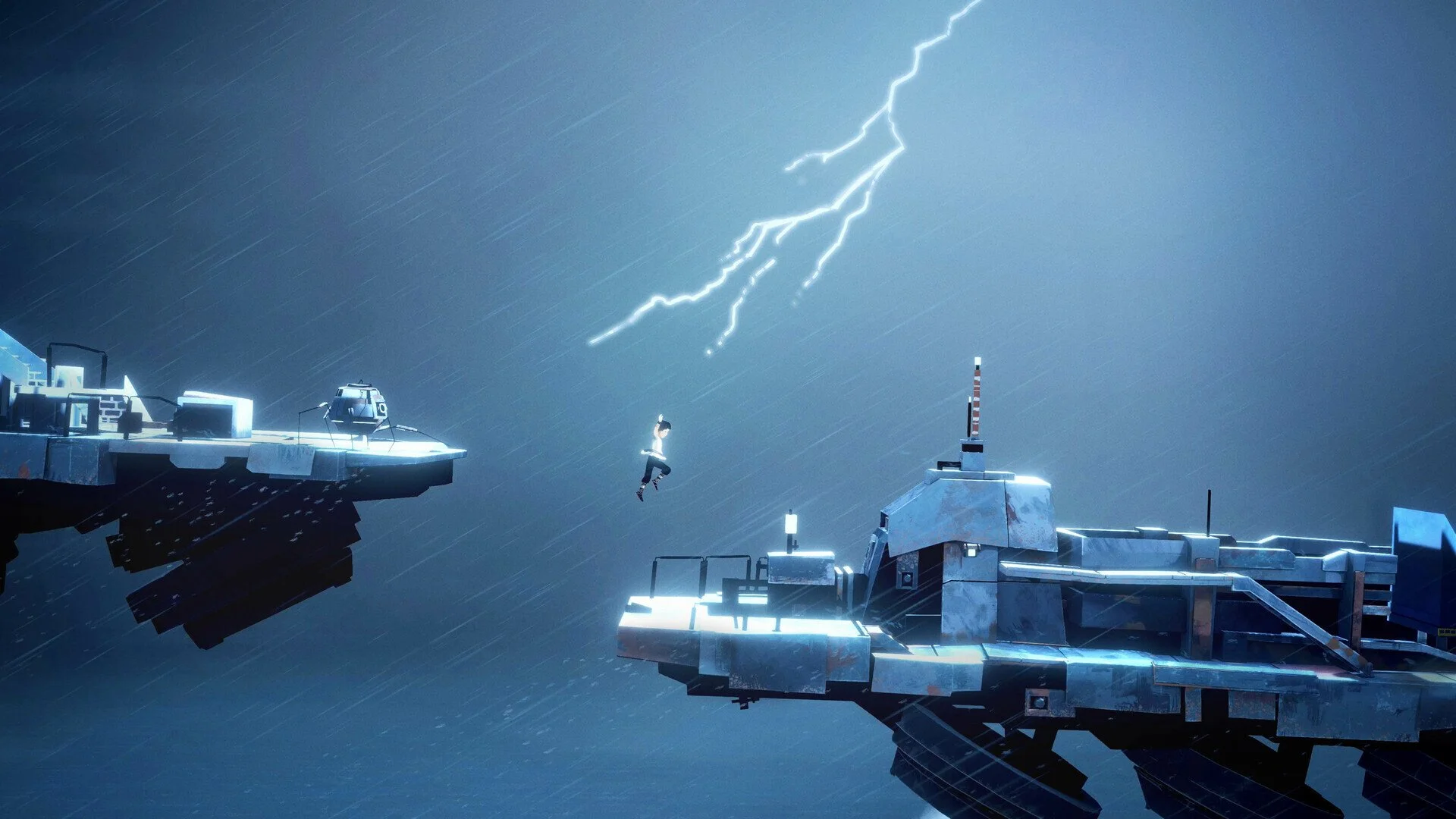
With Planet of Lana II, the game excels at using space to convey meaning. A quiet valley becomes a moment of reprieve. A collapsed structure becomes a metaphor for the world’s lingering wounds. Light and shadow aren’t just aesthetic choices - they’re narrative tools. This is where the sequel truly surpasses its predecessor. The environmental storytelling is more confident, more intentional, and more intertwined with the emotional arc of the journey.
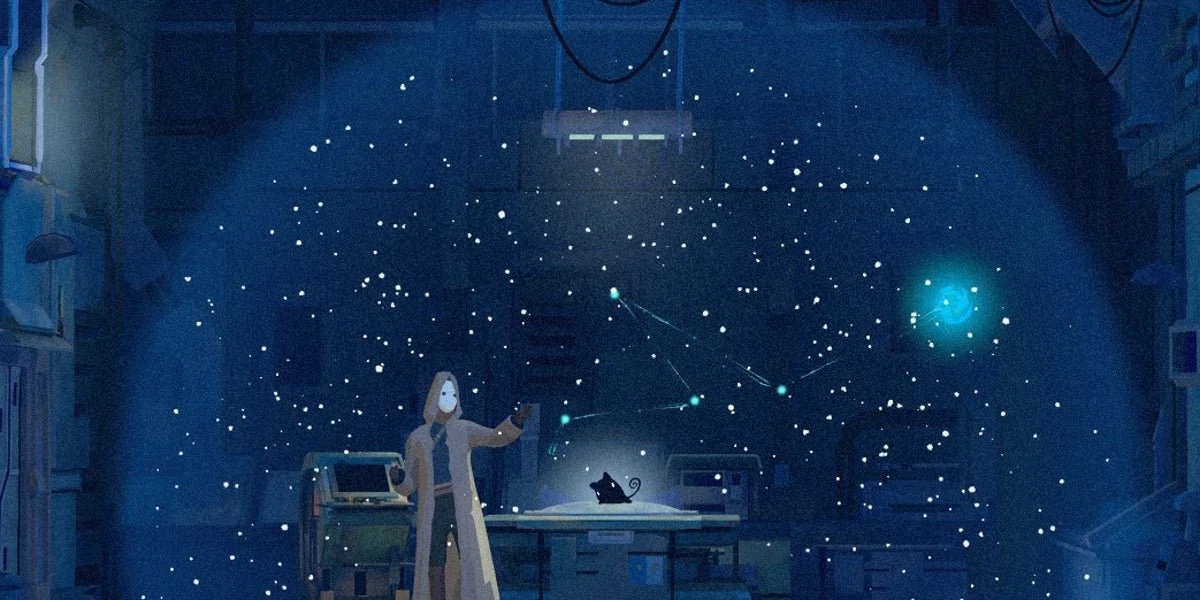
By no means does Planet of Lana II try to reinvent what made the first game special, however it certainly deepens it. It feels like a continuation not just of a story, but of a philosophy—one that believes games can be quiet and still speak loudly, that simplicity can be profound, and that side‑scrolling narratives can carry the weight of entire worlds just as much as any AAA blockbuster. It’s a game that respects its lineage and player’s time, while carving out its own identity in the ever-growing genre of narrative side-scrolling adventures that aim to push the medium forward. In summation, Planet of Lana II is a thoughtful, beautifully crafted, and emotionally resonant foray into artistic excellence, and, like the best stories in this genre, it lingers with you long after the credits come to an end.


PROS
Beautifully expanded environmental storytelling that surpasses the first game
Deepened emotional narrative with mature themes and subtle delivery
Refined companion mechanics that enhance puzzle design
Hand‑painted art direction that feels both intimate and cinematic
A contemplative tone that elevates the experience beyond typical platformers
CONS
Slow pacing may feel too meditative for players seeking constant action
Some puzzles rely heavily on trial‑and‑error
Limited mechanical evolution may disappoint those wanting a more dramatic overhaul
Occasional backtracking can interrupt narrative momentum
A huge thank you and our heartfelt gratitude to Wishfully and Thunderful for providing us a copy of Planet of Lana II for the purposes of this review!