Romancing SaGa -Minstrel Song- Remastered International Review
Release Date: December 9, 2025 (International), December 1, 2022 (Remastered 1st Release)
Developer: Red Art Games (Remaster), Square (Original)
Platforms: PS5, PS4, Nintendo Switch (Reviewed), PC (Steam), iOS, Android
Price: $24.99, $29.99 (eShop)
For years, the SaGa franchise has existed as the eccentric cousin to Square Enix’s Final Fantasy juggernaut—beloved by a dedicated niche for its obtuse mechanics and open-ended structures, but admittedly it's often been impenetrable to the mainstream. As a remaster of the 2005 PlayStation 2 remake (which was itself a remake of the 1992 Super Famicom original), this title is a fascinating, friction-filled history lesson that feels surprisingly modern in its refusal to hold the player's hand, and thanks to hits in recent years like Elden Ring, Hades II, and Hollow Knight: Silksong, games that challenge the mental fortitude of gamers are becoming increasingly popular, giving older titles like Minstrel Song a second chance at finding a beloved audience today.
While the "International" moniker brings significant quality-of-life improvements primarily focused on a larger localization for its 2025 global release over its 2022 counterpart, the core experience remains a polarizing, distinctively nonlinear JRPG, much like every Romancing Saga before and after it, and for those willing to learn its unique take on RPG design, it offers one of the most rewarding adventures in the genre.
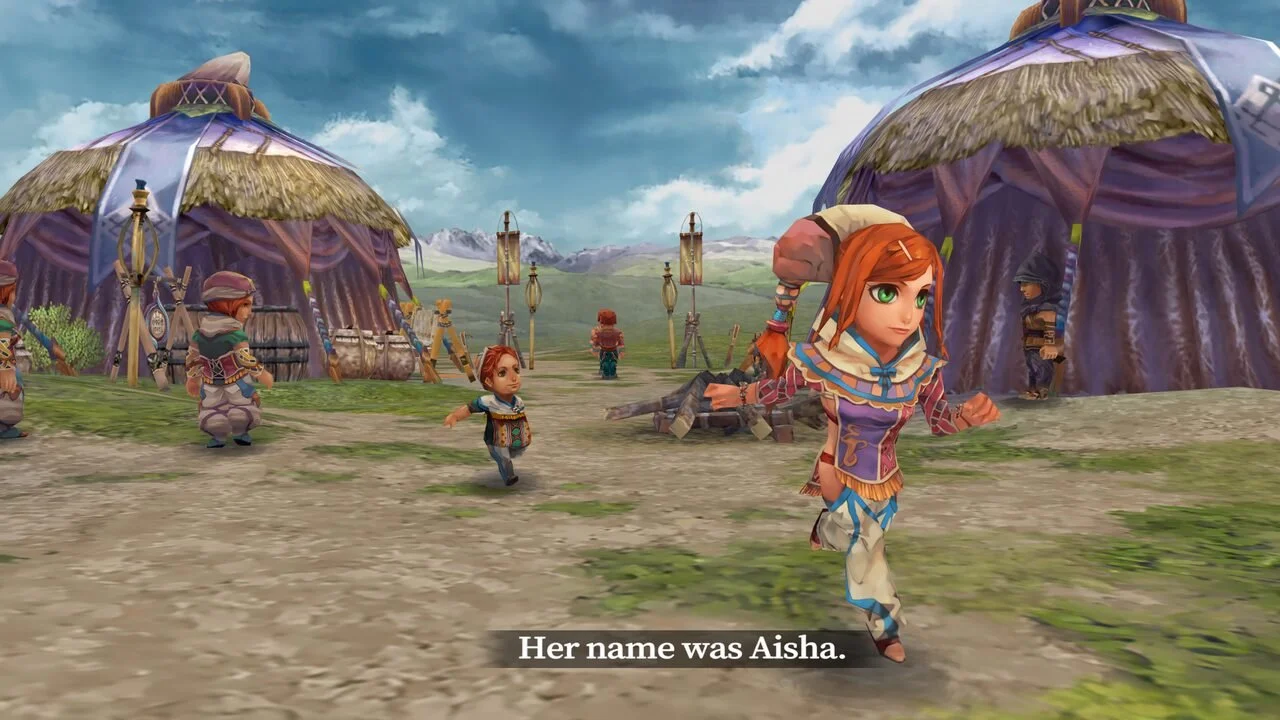
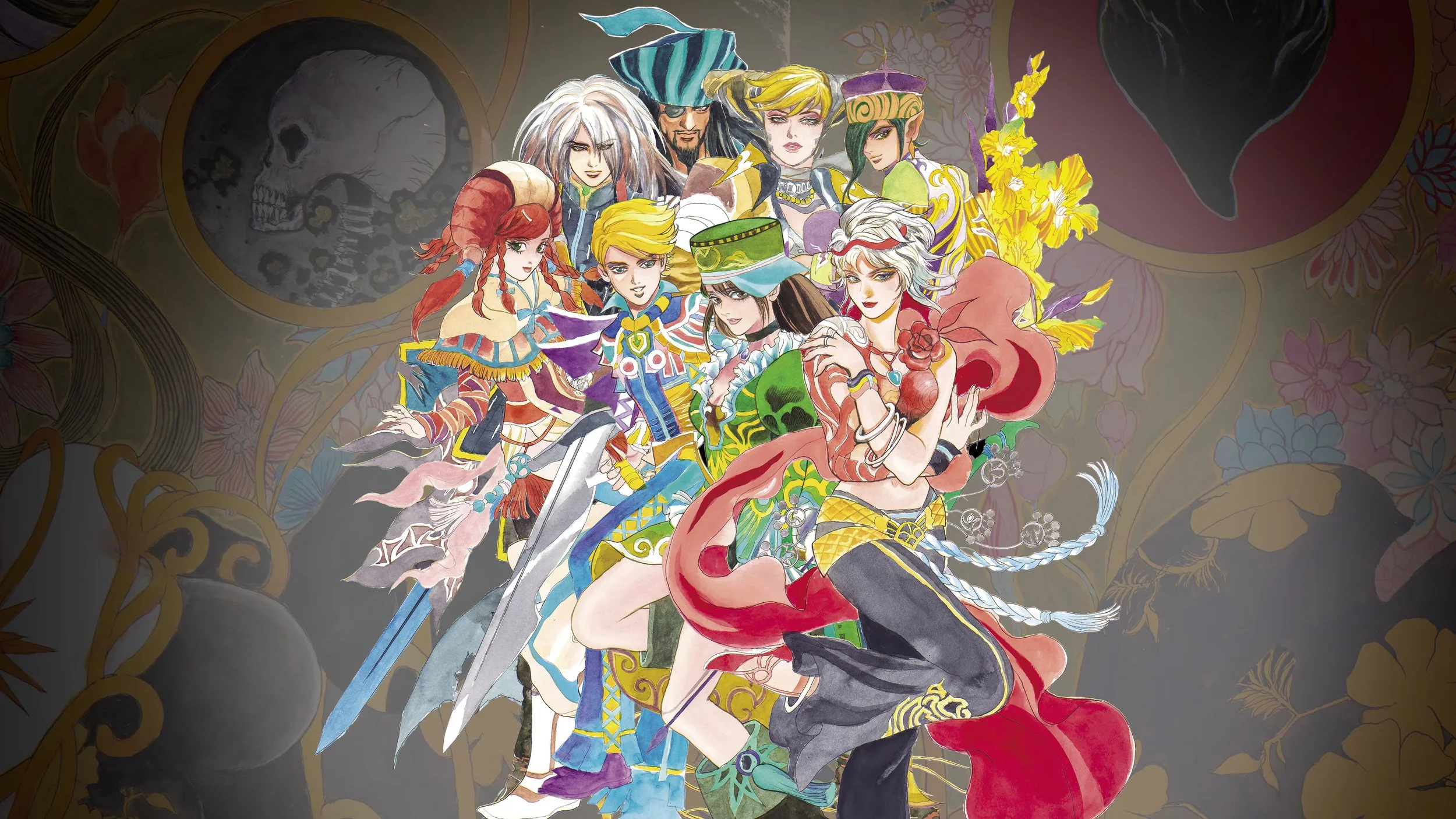
Without highlighting too much of its history and focusing more on how it holds up today (even now since its 2022 release), Romancing Saga's defining feature remains the "Free Scenario" system. You choose one of eight protagonists—ranging from Albert, a noble knight, to Captain Hawke, a pirate—and are essentially dropped into the world of Mardias with a vague end goal but no marked path to get there. This can be reminiscent of older sister titles from Square's catalog back in the day, such as early Dragon Quest of Final Fantasy titles where environmental storytelling was a core aspect over a directly spoken narrative.
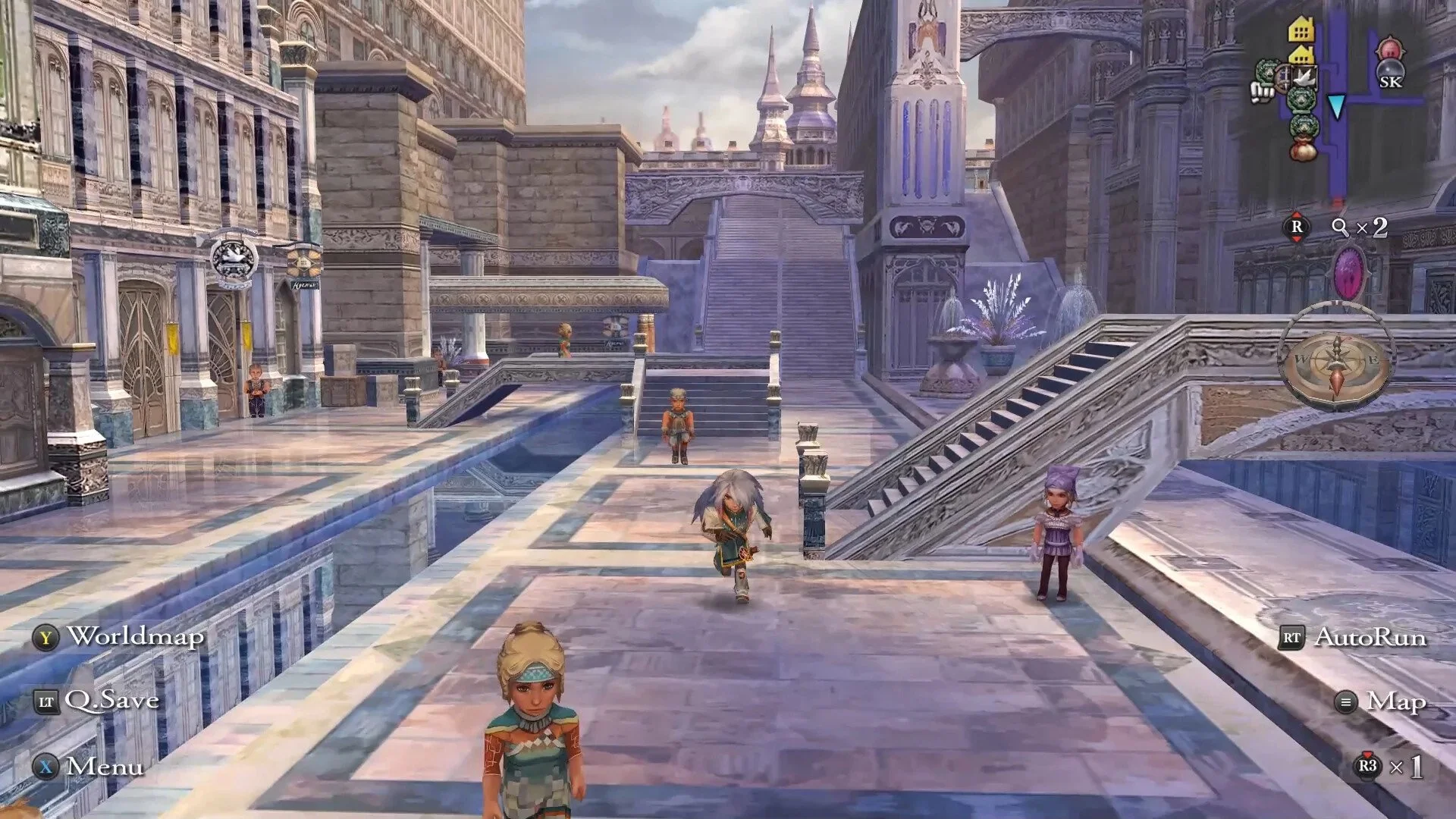
Because of the JRPG philosophy of yesteryear, however, more modern open-world games filled with map markers and checklists will not apply here, and Minstrel Song respects your intelligence (while undoubtedly testing your patience) by letting you stumble into adventures organically. For example, you might wander into a town, hear a rumor about a kidnapping, and decide to investigate, or you might ignore it entirely and sail to a different continent. These sorts of events and outcomes within them give way to the "Event Rank" system, which advances time and world state based on the number of battles you fight rather than plot points, meaning that the world changes around you as it becomes attuned to your actions—a true "domino/butterfly effect" that, frankly, was ahead of its time.
Repercussions are included in these decisions, so general quests can expire, towns can fall, and new opportunities arise simply because you spent too much time, say, grinding in a sewer. This juxtaposition is a double-edged sword, however, as it creates a genuine sense of role-playing where no two playthroughs are alike, but it can be maddening for completionists or checklist trackers such as myself who fear missing out on everything a world can provide. With games of this nature already taking up an average of upwards of 100 hours, it can be unfortunate (though also bittersweet) that you can't see everything on your first go around if you have a huge backlog you find yourself continuing to tackle all while fighting a schedule of constant and exciting new releases.
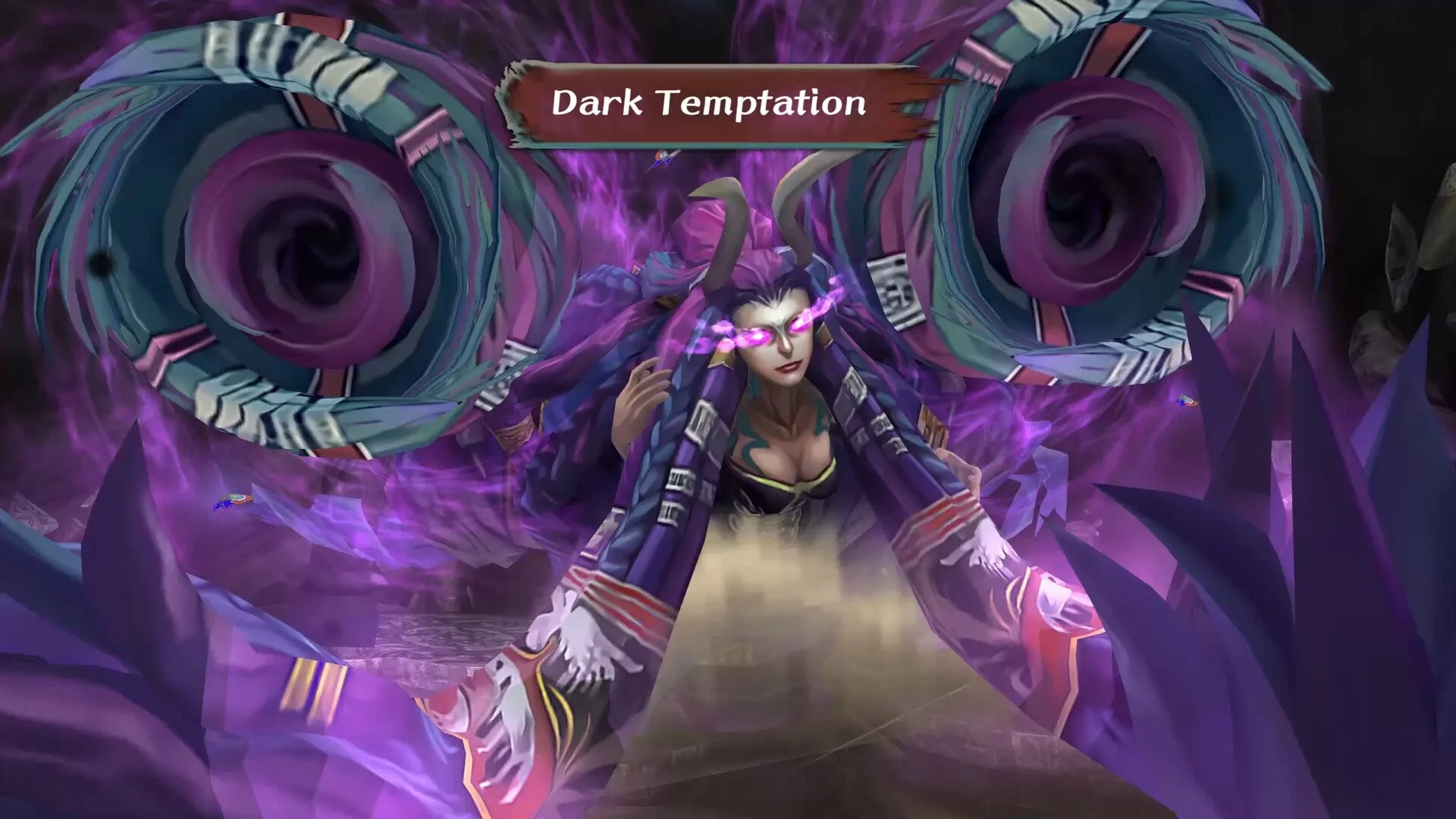
Even with a world you somewhat become blind too, Romancing Saga gives and honors the traditional JRPG combat system, harkening back to the days where turn-based combat was the norm, and it does so with grace and panache. As combat and character progression are driven by the series' signature "Glimmer" (or Spark) system, growth will all come down to how and who you battle. Instead of leveling up traditionally to learn skills, characters spontaneously learn new attacks in the heat of battle, which is represented by seeing a lightbulb icon flash over a character’s head, followed by them unleashing a powerful new technique just as you’re on the ropes. Though this has been used loosely in other JRPGs following Romancing Saga's influence, the way it's performed in the series undoubtedly remains one of the most satisfying dopamine hits in gaming with how it feels to unlock new potential.
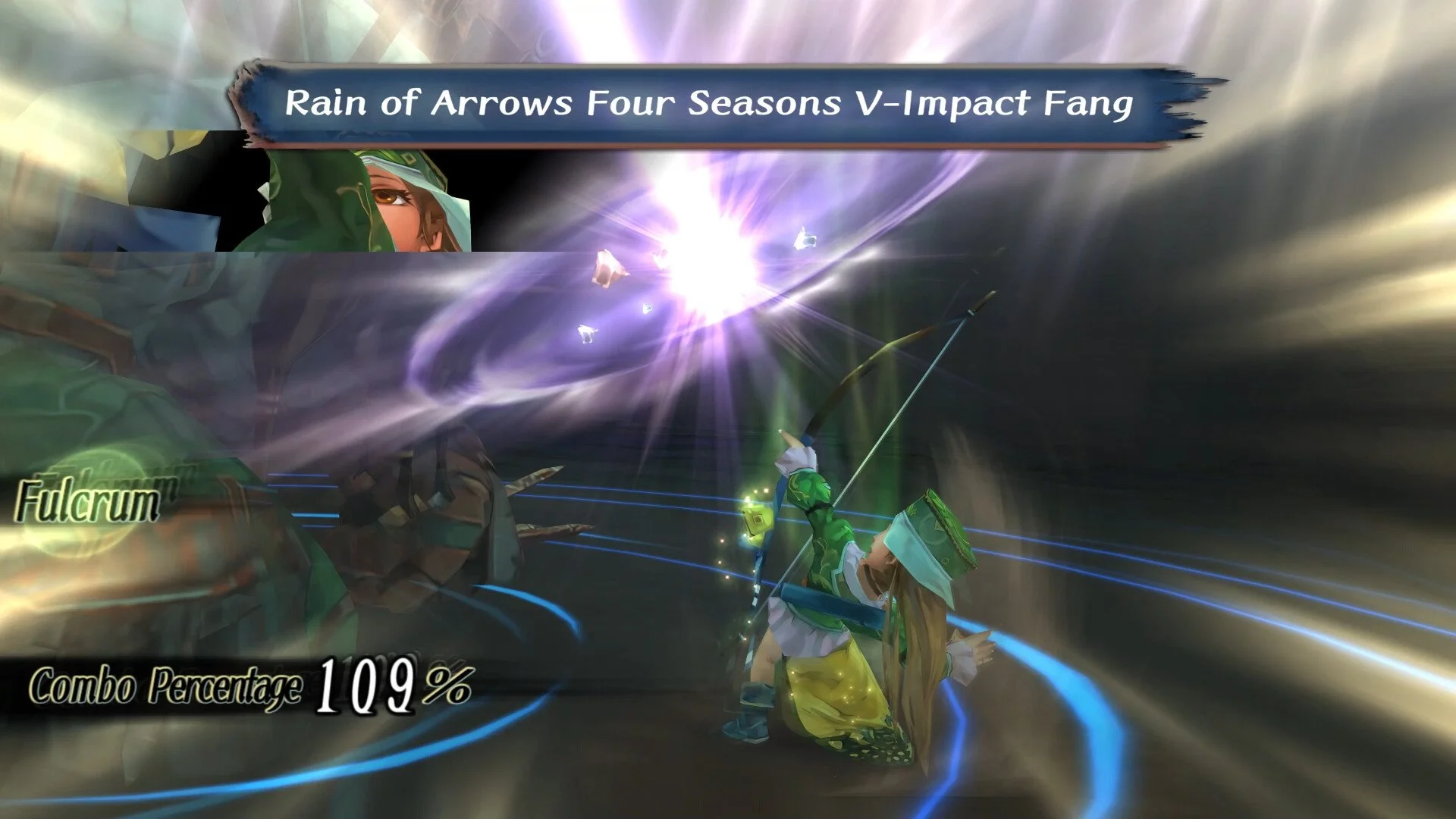
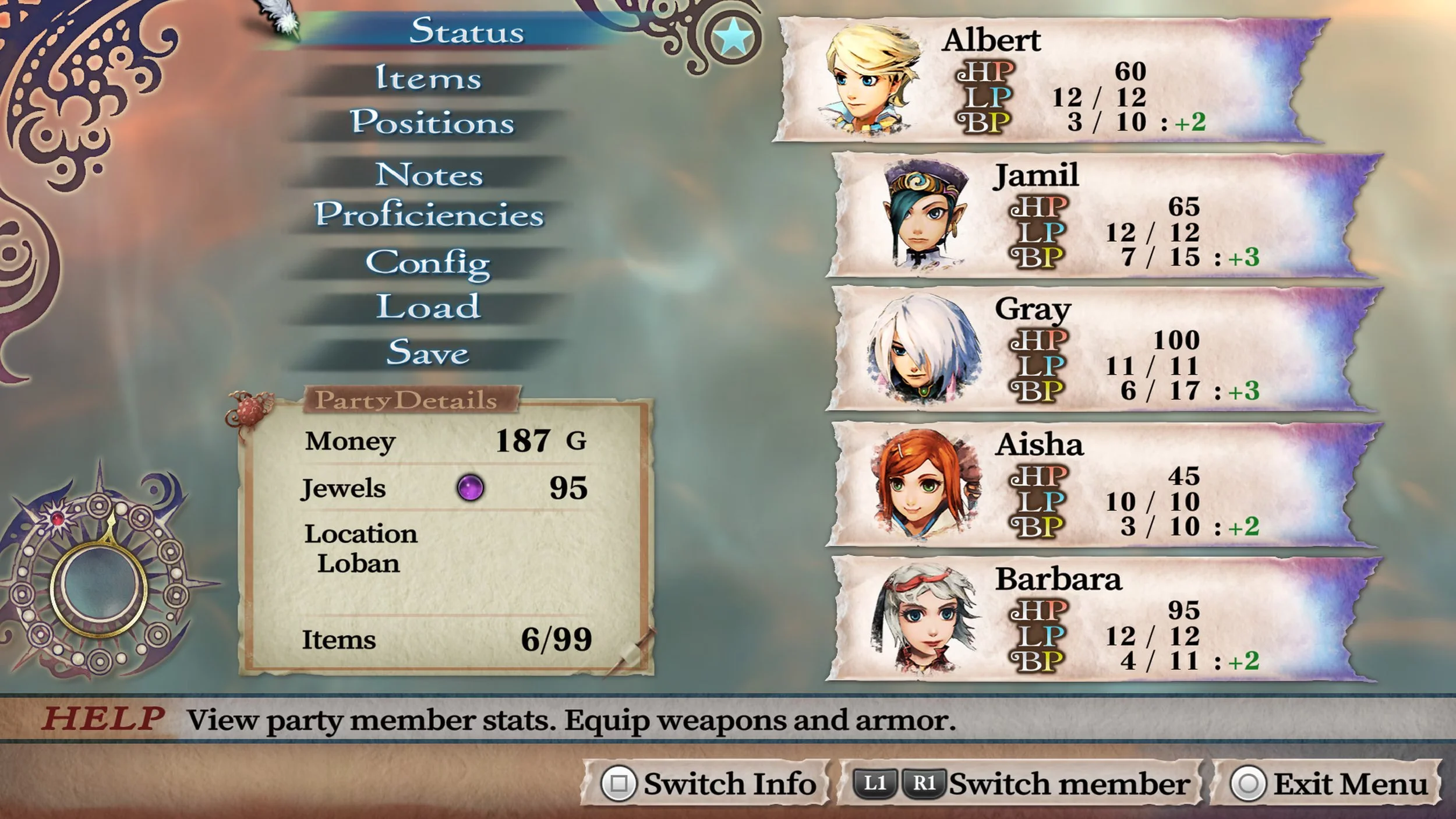
The remaster preserves the tactical depth of the original—managing BP (Battle Points) and DP (Durability Points) is crucial—but the new high-speed modes are a truthfully a godsend. Being able to toggle 2x or 3x speed makes backtracking and grinding significantly more approachable, respecting the player's time in a way the 2005 release did not, especially as time has become more and more of a privilege to have and a currency all in its own in life. This is one of those features that I feel like should become standard in turn-based titles, as sometimes it's necessary to want to speed things up. Thankfully we're seeing this more, however it's still a work in progress.
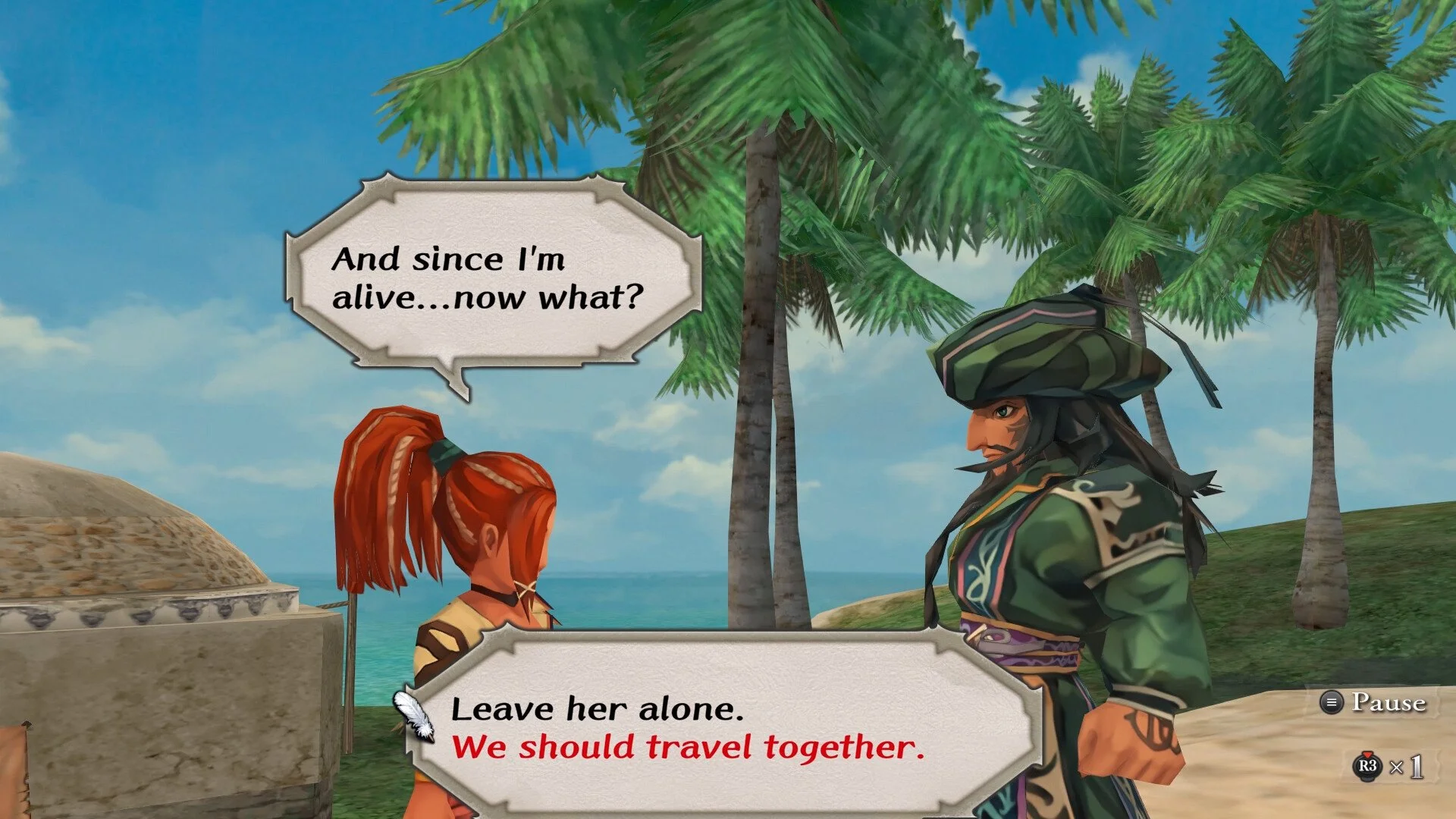
While gameplay remains intact and refined, it's important to note that, visually, the game retains its controversial "chibi" art style, resembling wooden puppets with oversized heads and odd proportions—a design choice that is still as divisive as ever. Despite the artistic conundrums, however, the high-definition upscale does wonders for the hand-painted backgrounds and texture work. The world of Mardias looks like a moving storybook, and the "International" edition cleans up the UI beautifully no matter your mother tongue. It should also come to no surprise that, like virtually every Square Enix-associated release, the soundtrack by Kenji Ito is, simply put, a masterpiece. The remaster includes both the original tracks and new arrangements, and the rock-infused battle themes are some of the best in Square Enix’s history, adding a driving energy to every encounter.

Ultimately, it's worth mentioning that while it’s a great JRPG in its own right and deserves its flowers almost as much as every other Square Enix RPG that paved the way forward, due to its stubborn and niche roots, Romancing SaGa -Minstrel Song- Remastered International is not for everyone - even JRPG die-hards. Like other Romancing Sagas before and after it (remaster, remake, sequel, spinoff, or prequel), it is obscure, difficult, and refuses to explain itself, playing as an almost stoic version of JRPG brethren. Despite this, however, it is admittedly also a brilliant example of nonlinear storytelling and mechanical depth. The new quality-of-life features with the Remastered version (International moniker aside)—particularly the speed toggles and "New Game Plus" options—make this the definitive way to experience a cult classic. It asks for your patience, but it rewards you with an adventure that is truly your own.


PROS:
The Free Scenario system offers unmatched replayability and agency.
The Glimmer and Combo systems make turn-based battles exciting and unpredictable.
Kenji Ito’s score is energetic, emotional, and memorable.
High-speed modes, UI improvements, and "New Game Plus" features remove the original's tedium.
New playable characters and high-level bosses add value for returning veterans.
CONS:
The game explains very little; a guide is almost mandatory for first-time players.
The puppet-like, chibi-ish character designs can be hit or miss.
The Battle Rank system can accidentally punish players who grind too much without upgrading gear.
The fixed camera angles, though not problematic by default, can sometimes make navigation clunky in tight spaces.
A huge thank you to Red Art Games and Square Enix for providing us a copy of Romancing SaGa -Minstrel Song- Remastered International for the purposes of this review!