Apartment No. 129 Review
Release Date: January 16th, 2026 (Consoles), August 2nd, 2024 (PC)
Developer: Dead Witness
Platforms: PC, Xbox Series X|S (Reviewed), PlayStation 5
Price: $7.99 (PC), $13.99 (Xbox Series X|S, PlayStation 5)
The idea of fear comes in all shapes and forms, embodying topics, entities, themes, and more that all come together in a series of questions that we, as humans, can't easily find answers for. It's that uncertainty that keeps us on a psychological level nervous and timid about locations that have certain types of history, especially when it's one that is ominous and threatening to both the mind and the body. While the mainstream media has preferred to go more the route of traditional elements of physical danger like zombies, viruses, or mutated beings that pose a visible threat, Indie games flourish with the ideas of the unseen. This is amplified tenfold by choosing locations that are either made up, or areas that are rarely seen to represent a moment in time or history, whether fiction or non-fiction, to stand out from the norm.
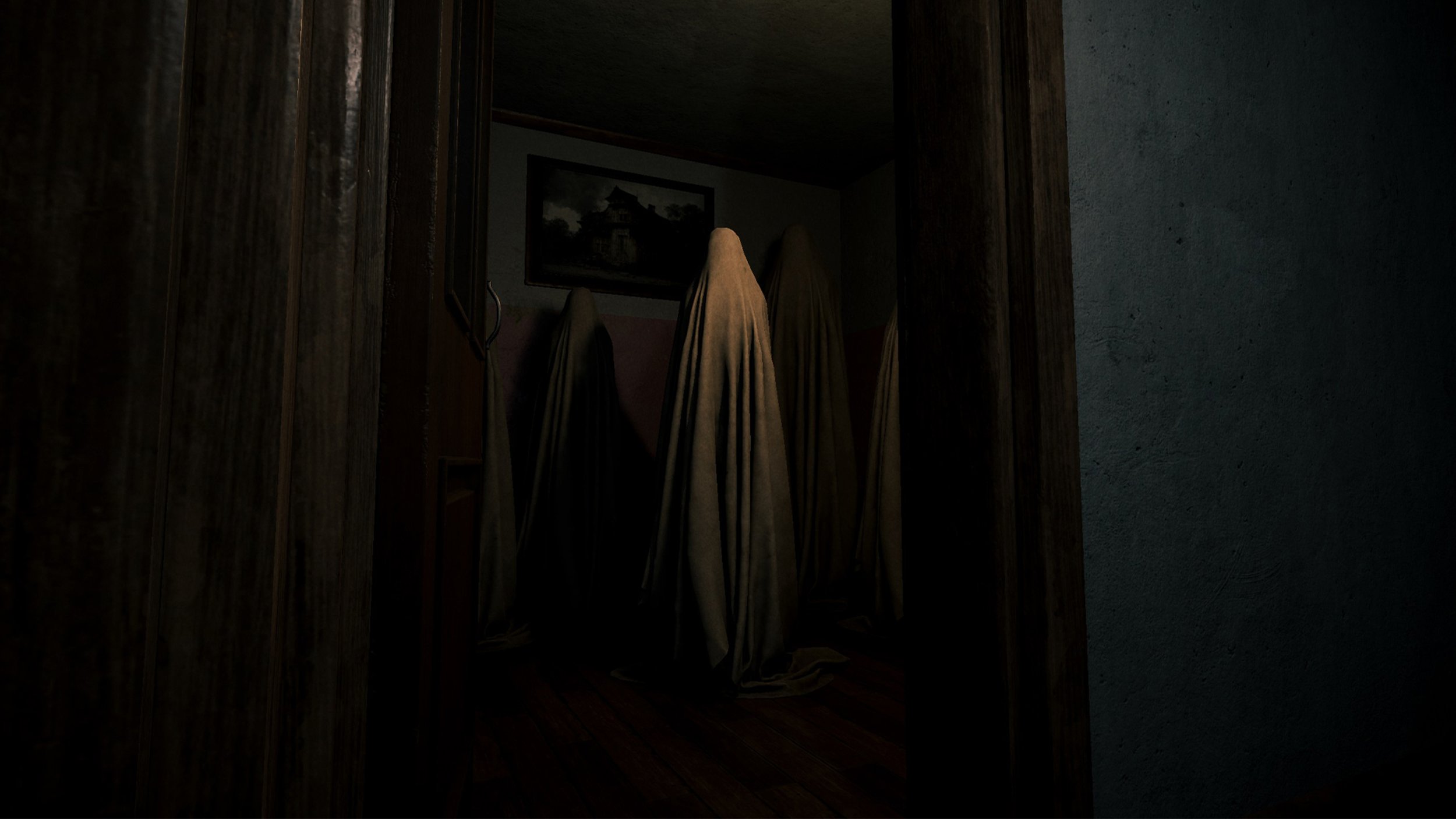
Apartment No. 129 is one such game that takes advantage of a true story, built on a compelling hook: a Turkish urban legend involving two girls, a late‑night ritual, and a mysterious “earthquake” that was never officially recorded. As Emir, a YouTuber chasing viral fame, you enter the abandoned apartment building hoping for content and instead find yourself unraveling a supernatural mystery. The setup is strong, and the game’s opening moments lean hard into atmospheric dread—flickering lights, unsettling audio cues, and a sense of isolation that works well up until it doesn't, and then the general experience begins to fall apart no different than the dilapidated structure you find yourself confined in.
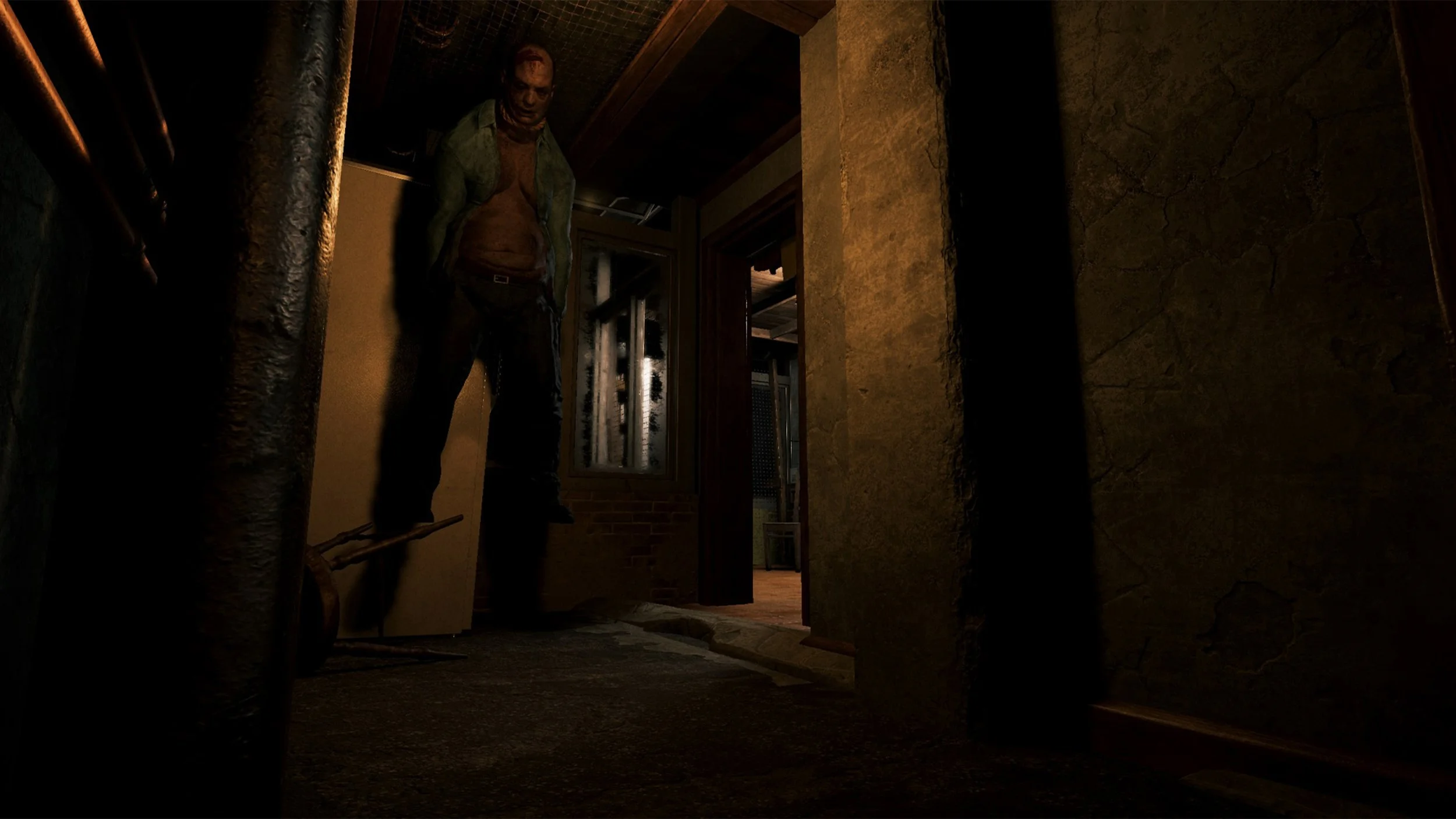
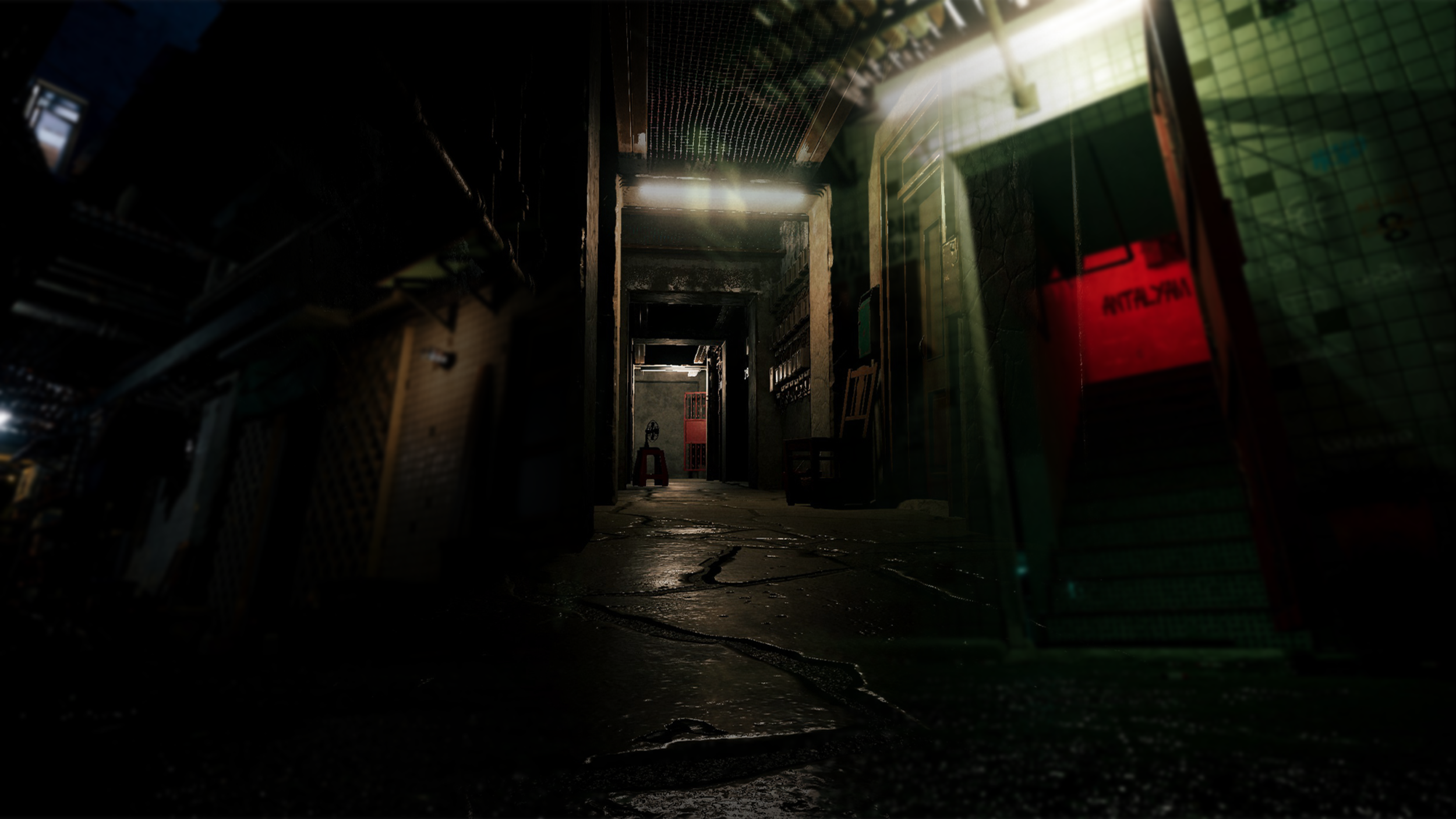
Though Apartment No. 129 is the primary subject, the apartment complex as a whole feels genuinely cursed, with symbols, debris, and claustrophobic hallways that sell the legend’s grim history. There are moments—brief but effective—where the tension spikes and the scares land, but throughout the playtime of the game, its less-than-polished package ultimately bogs down everything that could've been, and it's these flashes and remnants of strong moments in-between that show what Apartment No. 129 could be with more refinement.
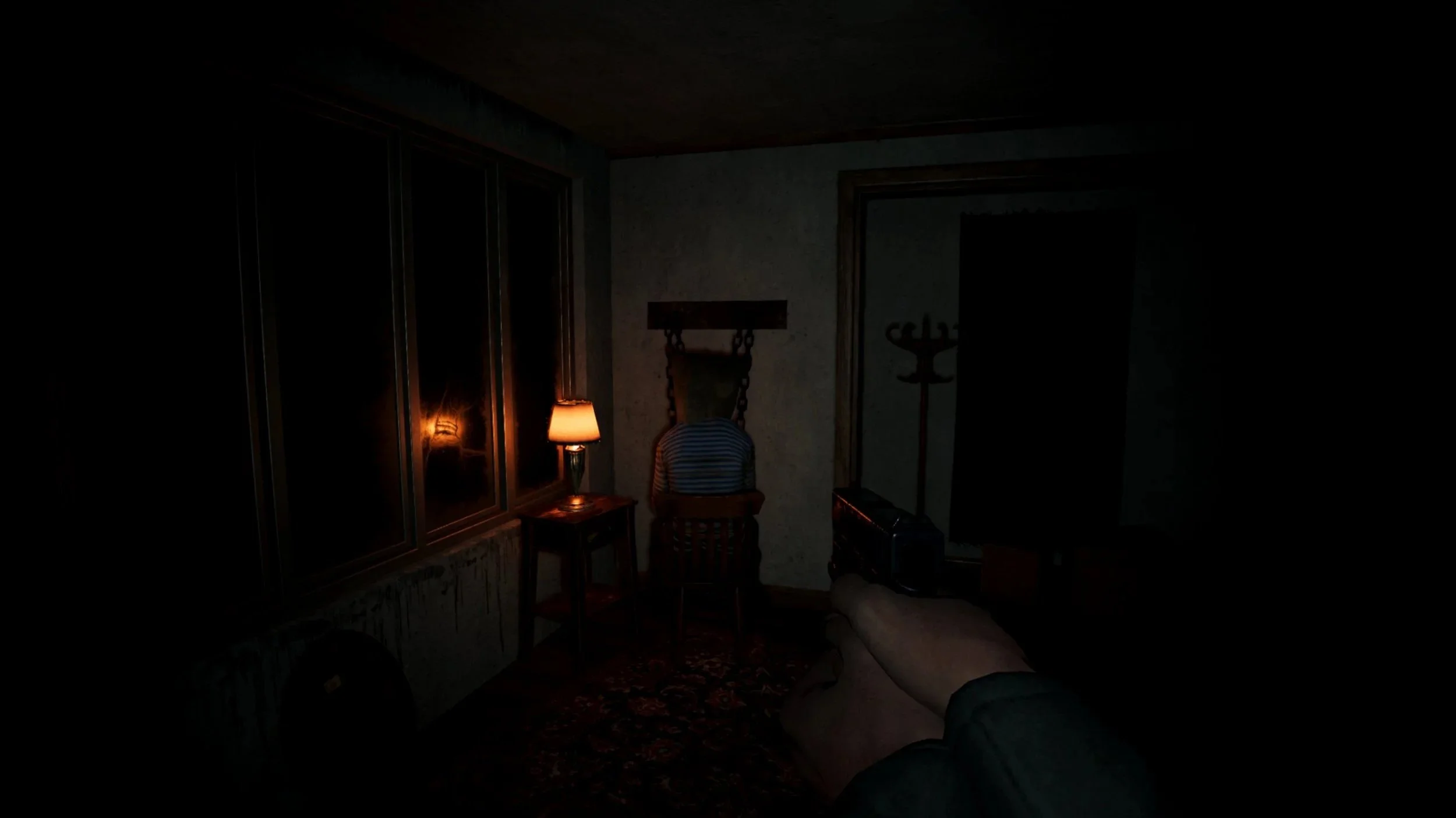
Unfortunately, due to that lack of refinement, the experience is incredibly inconsistent. Though the atmosphere is strong, the gameplay often gets in its own way, and it was a big determining factor for me on why I ultimately did not find much enjoyment out of Apartment No. 129. Movement and interaction can feel stiff, combat lacks impact, and the story finds itself somehow being both too short and overstaying its welcome. In regards to the narrative specifically, though intriguing, it is held back by uneven dialogue and pacing issues that dilute the emotional payoff. The result is a game that feels like it’s bursting with potential but never fully realizes it, and it ultimately leaves a less than enthusiastic feeling when playing despite its strong opening moments.
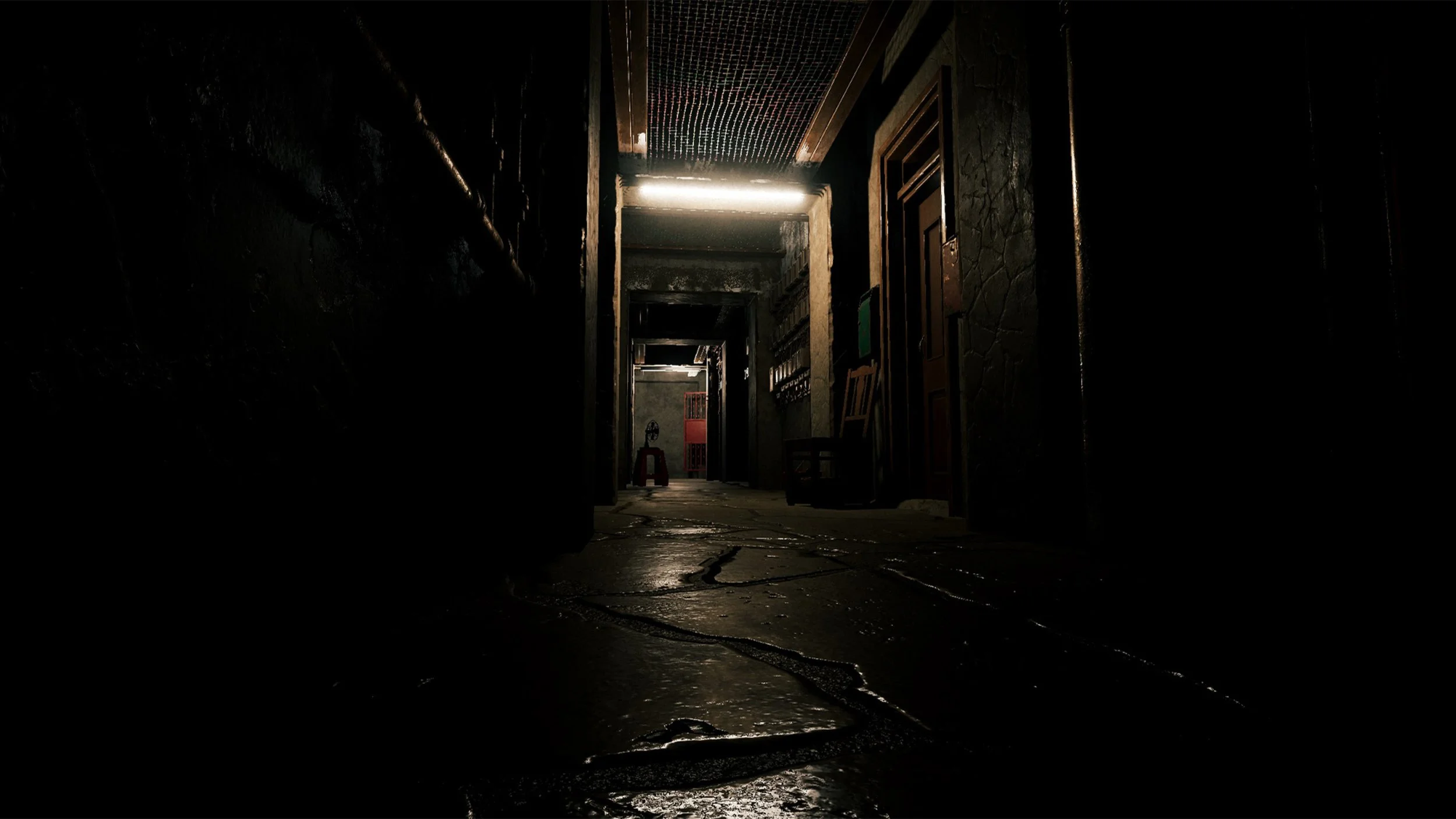
It's worth mentioning as well that even with its strong opening moments, its first impression set a tone right away once I gained control of the character. The moment I moved the camera to the side to take in my surroundings in what is otherwise an extremely detailed complex that is easy to find yourself immersed in despite its repetitive asset use, my character essentially turned into an F5 Tornado with the camera spinning at incomprehensible speeds to the point that I was worried it would reach a point where a space/time rift could potentially form. After going into the settings - which is also barebones and has some odd input delay - I was able to find out that the sensitivity was put on max, I had to put it to almost the bare minimum until controls became somewhat manageable.
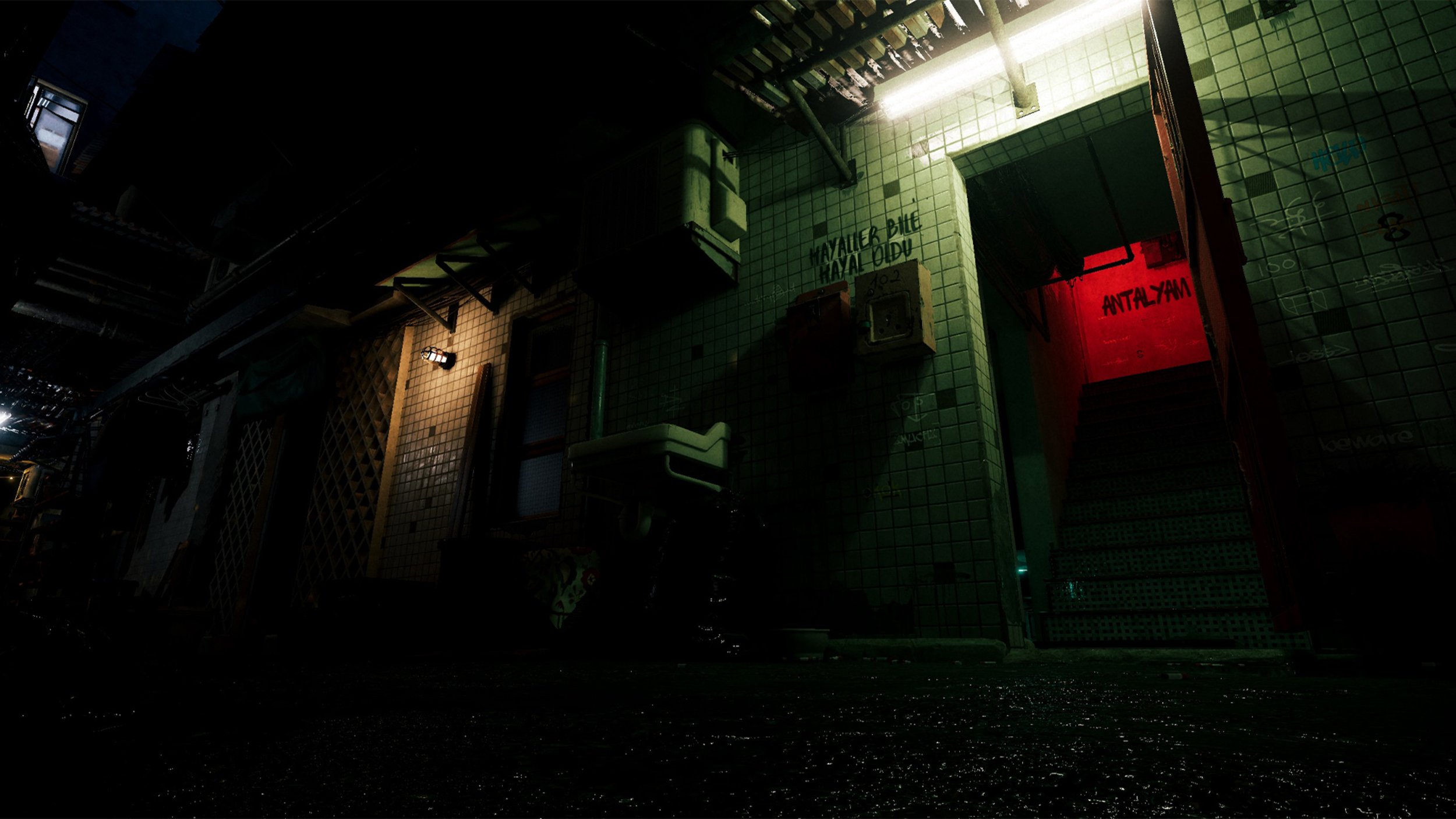
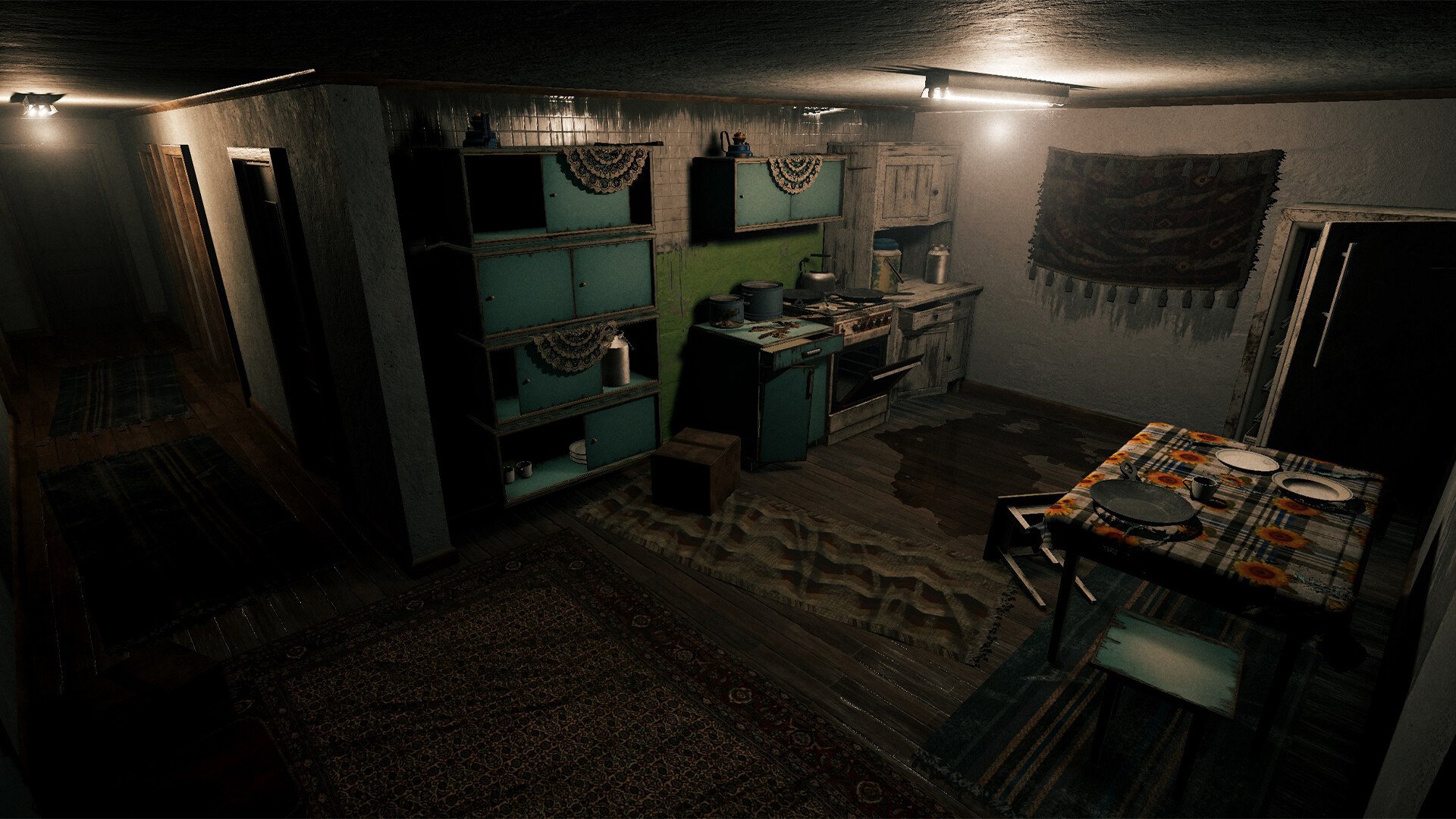
The complex is also an interesting "character" in the game as well, being both worthy of praise but also something that works to its detriment. It's a big complex you find yourself in, and narrow corridors, as mentioned, can create a level of claustrophobia that is haunting, with decent enough sound design that transports you there with fairly impressive graphics. However, one will find that while going through all the units, everyone just happens to have the same bed, table, kitchen, fridge, and layout that can be extremely confusing for the player, unsure if they've walked into a room before as the déjà vu begins to hit hard. Another issue is that within these units - and an absolute necessity - are notes that are non-negotiable and need to be read in order to proceed in the game. This is mentioned right in the beginning as well, and at first I brushed it off as it being more so recommended for the sake of lore, but it turns out that it is imperative. This wouldn't be so bad as I'm one of those people who does like to read notes in games within reason, but in Apartment No. 129, they're not so much notes as they are novellas, with walls of text that can sometime feel endless and still get lost in translation.
Still, for fans of indie horror rooted in real‑world folklore, Apartment No. 129 offers a unique cultural angle and enough unsettling moments to justify a look—especially if you’re drawn to myth‑based horror or enjoy exploring atmospheric spaces. Just temper expectations: this is a flawed but interesting experiment rather than a polished genre standout.


PROS:
A unique, Turkish setting with strong atmospheric vibes.
Environmental and sound design are well done and keep the player immersed where it counts.
CONS:
A story that, while engaging, quickly falls apart due to unfocused gameplay and repetitive tasks.
An unpolished experience makes the game feel more like a proof-of-concept rather than something more fleshed out, though the potential is there.
A special thank you to Dead Witness Studios and Axyos Games for providing us a copy of Apartment No. 129 for the purposes of this review!